
 English
 Français
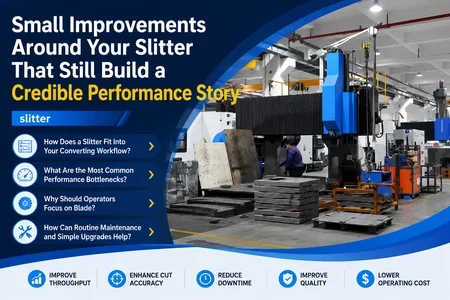
Article Overview: This guide provides procurement managers, sourcing teams, and project engineers with a practical framework for evaluating slitter machinery. It covers primary applications, supplier evaluation criteria, and common procurement pitfalls. Use this checklist to prepare an effective RFQ and reduce implementation risks.
What Are the Primary Applications of Slitters in Packaging Lines?
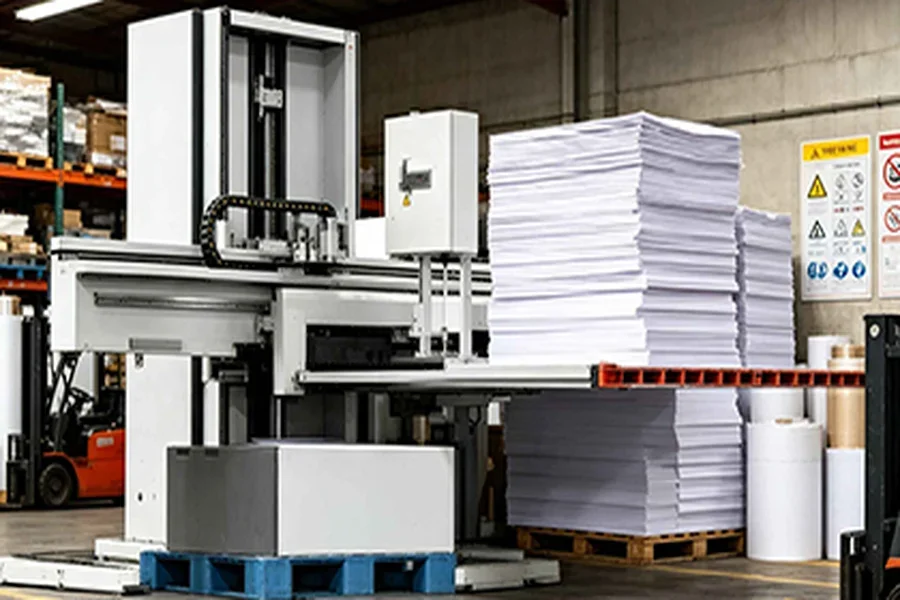
Slitters are critical in converting, printing, and packaging operations. They cut wide rolls of material (paper, film, foil, or laminates) into narrower strips or sheets. Common applications include:
- Roll slitting for converting jumbo rolls into finished customer rolls
- Sheet slitting to produce cut-to-size sheets for printing or packaging
- In-line slitting integrated with printing, laminating, or rewinding processes
Understanding your specific application—whether you need a standalone slitter or an integrated line—is the first step. For example, a packaging line producing corrugated boxes may require a slitter that handles heavy board at high speed, while a flexible packaging converter needs precise tension control for thin films. Aligning the slitter type with your material, width, and throughput is essential before approaching suppliers.
How Should Buyers Evaluate Slitter Suppliers?
When evaluating potential suppliers, focus on these criteria:
- Machine specifications: Verify cutting accuracy, speed range, material handling capability, and changeover time.
- Build quality and reliability: Assess frame construction, knife assembly, and tension control systems.
- Certifications and compliance: Check for CE, UL, or other relevant safety standards.
- After-sales support: Evaluate spare parts availability, technical support, and training.
- References and track record –
Ask for case studies in your industry.
Procurement teams should also visit the supplier’s production capacity to assess manufacturing scale and quality control. A supplier with dedicated assembly lines and rigorous testing is more likely to deliver consistent machinery.
Key Parameters to Validate Before Issuing an RFQ
Before sending out a request for quotation, compile a detailed spec sheet. Critical parameters include:
- Maximum and minimum web width
- Unwind and rewind roll diameters
- Material type and thickness range
- Slitting method (razor, shear, or score cut)
- Required line speed and tension control
- Space constraints and integration with existing equipment
- Electrical and control system preferences (PLC, HMI, etc.)
Having these parameters ready reduces back-and-forth and ensures you receive comparable quotes. It also helps filter out suppliers who cannot meet your technical requirements. For example, if you need a slitter for delicate coated paper, a shear-cut slitter may be required to avoid edge damage.
Common Gaps in Slitter Procurement and How to Avoid Them
A frequent mistake is overlooking integration requirements. A slitter that performs well in isolation may cause bottlenecks when connected to upstream printers or downstream stackers. Always request a mechanical and electrical interface drawing from the supplier.
Another gap is underestimating maintenance needs. Confirm the availability of spare blades, sensors, and belts. Ask about preventive maintenance intervals and whether remote diagnostics are offered. Some suppliers provide support packages that include regular checkups.
Finally, many buyers ignore the impact of material variability. Test runs with your actual substrates are essential. Ask the supplier to demonstrate the slitter on your representative materials before committing.
For a deeper look at how a supplier manages production scale and quality, review their Production Capacity for slitter lines. This can reveal whether they can handle your order volume and lead time.
FAQ
What is the difference between a slitter and a rewinder?
A slitter cuts material widthwise, while a rewinder re-rolls the slit strips. Many machines combine both functions into a slitter-rewinder. For standalone cut-to-length slitting, a separate sheet slitter is used.
How do I choose between razor and shear slitting?
Razor slitting is suitable for thin films and light materials; shear slitting produces cleaner edges and lasts longer for thicker or abrasive materials. The choice depends on your material and edge quality requirements.
Should I buy a slitter from a packaging machinery OEM or a specialized slitter manufacturer?
It depends on integration complexity. If your slitter must tightly integrate with a printer or laminator, an OEM that supplies the entire line may offer better coordination. For standalone units, specialized slitter manufacturers often provide more customization.
What is the typical lead time for a custom slitter?
Lead times vary from 8 to 20 weeks depending on complexity and supplier workload. Early engagement and sharing detailed specs can shorten lead time. Check the supplier’s company profile for typical delivery track record.
What certifications should a slitter supplier have?
At minimum, look for CE marking for European markets or UL for North America. Additional certifications like ISO 9001 indicate quality management. Review the supplier’s certificates to ensure compliance with your safety standards.
Conclusion
Selecting the right slitter requires a structured approach: from defining your application and validating technical parameters to thoroughly evaluating supplier capabilities. By using the questions and checkpoints in this guide, procurement teams can reduce the risk of costly missteps. Prepare a detailed RFQ, request trials, and always verify the supplier’s products and support infrastructure. A well-matched slitter improves line efficiency and product quality over the long term.
Related site pages: Home, About Hpm, Technology Innovation, Sustainability, Paper Cutting Machine, Paper Loader.