
 English
 Français


Article Overview: This article explains how targeted, low-cost adjustments to slitter operation and maintenance can yield measurable gains in uptime, cut accuracy, and overall line throughput. It is written for engineering managers, technical buyers, and operations leaders evaluating how to get more from existing equipment without major capital expenditure.
How Does a Slitter Fit Into Your Converting Workflow?
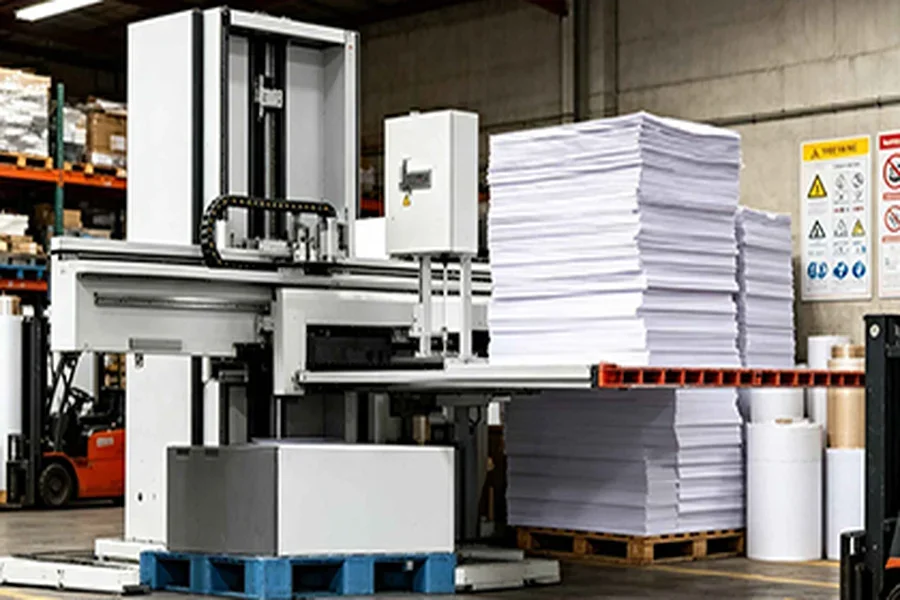
In a typical paper converting or packaging line, the slitter is the station that cuts a wide jumbo roll into narrower rolls of precise width. It sits between the unwind and the rewinder or sheeter. Its performance directly affects downstream quality: inconsistent slit width, edge dust, or web breaks at the slitter can shut down the entire line or produce scrap. Understanding how the slitter interacts with upstream tension and downstream alignment is the first step in identifying where small improvements matter most.
For a deeper look at how overall line design affects output, review Production Capacity for converting lines.
What Are the Most Common Performance Bottlenecks in Slitting Operations?
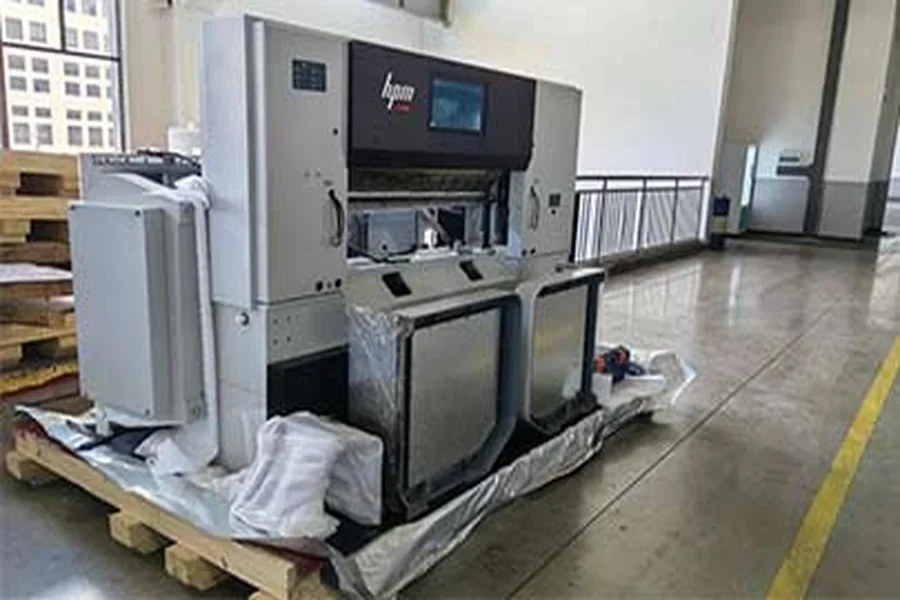
Operators and maintenance teams typically encounter the same recurring issues:
- Blade dulling or nicks: Causes ragged edges, dust, and inconsistent roll widths.
- Poor tension control: Fluctuations lead to telescoping or baggy edges.
- Misaligned anvil or shear rings: Creates score marks or uneven wear.
- Incorrect blade pressure: Either too light (skipping) or too heavy (reducing blade life).
- Contamination: Dust buildup on guides and sensors increases friction and errors.
These issues often appear gradually. A systematic checklist catches them before they cause unplanned downtime. Explore the Paper Cutting Machine product family for examples of integrated slitter modules.
Why Should Operators Focus on Blade Condition and Tension Control?
Blade condition and tension control are the two factors most strongly correlated with slitter reliability. Even a 0.1 mm change in blade sharpness can alter the cut profile and generate dust that fouls downstream guides. Preventive blade rotation or replacement at scheduled intervals—rather than waiting for visible defects—reduces scrap rates.
Tension control, when properly tuned, ensures the web enters the slitter at a consistent flat angle. Closed-loop tension systems with dancer rolls or load cells can compensate for roll diameter changes, maintaining the same slit quality from core to shell. Pairing these adjustments with regular maintenance service extends component life.
How Can Routine Maintenance and Simple Upgrades Improve Slitter Output?

Practical improvements do not require a full machine rebuild. Consider these steps:
- Implement a blade register: Log blade changes by date and runtime; rotate sets of blades to balance wear.
- Calibrate tension sensors quarterly: Drift in load cells can introduce subtle errors that accumulate across shifts.
- Upgrade to precision-ground blades: Higher-grade tool steel or coated edges can triple the interval between sharpenings.
- Install dust extraction at the slit point: Even a simple vacuum hood reduces contamination on bearings and guide rolls.
- Standardize setup procedures: Create a pre‑shift checklist that covers blade gap, nip pressure, and web alignment.
These actions compound. A 5 % reduction in setup time or a 10 % decrease in dust‑related defects directly improves yield. For guidance on scaling these improvements across a line, see the Efficiency Solutions page.
What Metrics Should You Track to Validate Slitter Improvements?
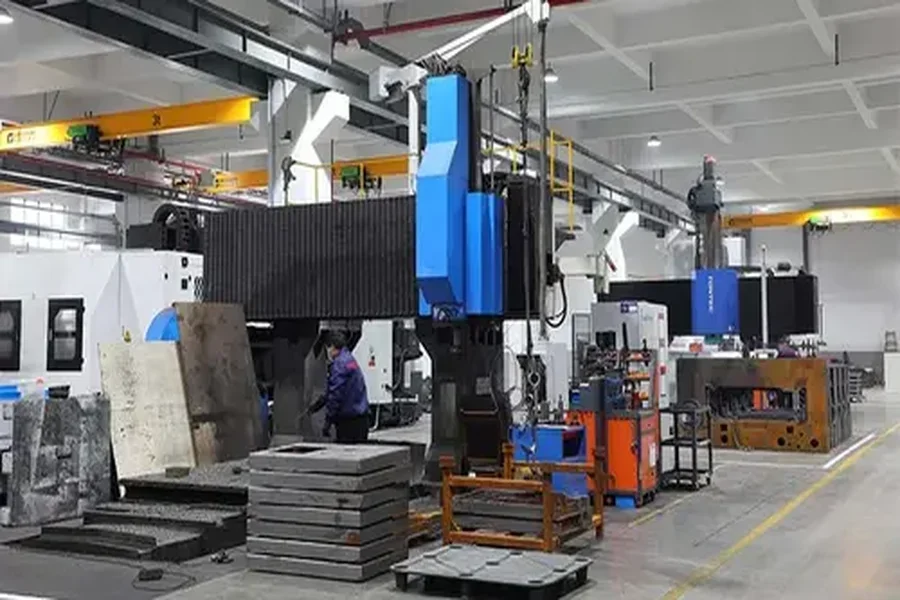
To prove that small changes are working, track these key performance indicators:
- Slitter uptime (or mean time between jam/break events)
- Slit width variation (measure off‑line with micrometer)
- Edge dust mass per 100 m² of material
- Blade life (running hours per change)
- Setup time per order changeover
Compare baseline data to post‑intervention data over at least four weeks. Consistent improvement in two or more metrics builds a credible case for further investment in technology innovation. Additionally, reviewing the full product range can reveal if a new slitter module would complement the incremental gains.
FAQ
How often should slitter blades be changed?
It depends on material and run speed. A general guideline is every 30–60 hours of cutting for standard paper grades. Track actual edge quality and replace at the first sign of dust increase to avoid downstream issues.
Is tension control upgrade worth it on older slitters?
Yes. Retrofitting a basic load‑cell dancer system often pays for itself within six months through reduced scrap and fewer breaks. Validate your payback period using your average waste cost per hour.
Can small improvements eliminate the need for a new slitter?
Not always, but they can extend the useful life of existing equipment by 1–2 years. If your line is otherwise sound, focus on blade, tension, and dust management before committing to a capital purchase.
Review the Production Capacity approach to decide when replacement makes sense.
What training do operators need for these improvements?
Basic blade care, tension calibration, and inspection routines can be taught in a half‑day session. The largest gain comes from consistent logging and communication between shifts.
Conclusion
Small improvements around the slitter—better blade management, tension tuning, dust control, and standardised procedures—create a credible, data‑backed story of performance gains. For technical buyers and operations leaders, these steps reduce risk and delay the need for major capital outlays. Start with one or two changes, track the metrics, and build the case for broader line upgrades. For more information on how these improvements fit into a complete converting system, explore solution packages and auxiliary equipment that complement slitter operations.