
 English
 Français
Article Overview: This article provides a neutral, criteria-based comparison of slitter options for production lines. It is designed for CTOs, technical architects, and procurement teams evaluating slitting machinery. Rather than promoting a single approach, it focuses on tradeoffs, technical fit, and decision checkpoints to help buyers select the right slitter configuration for their specific line constraints and output requirements.
Why Is Slitter Selection Critical to Line Performance?
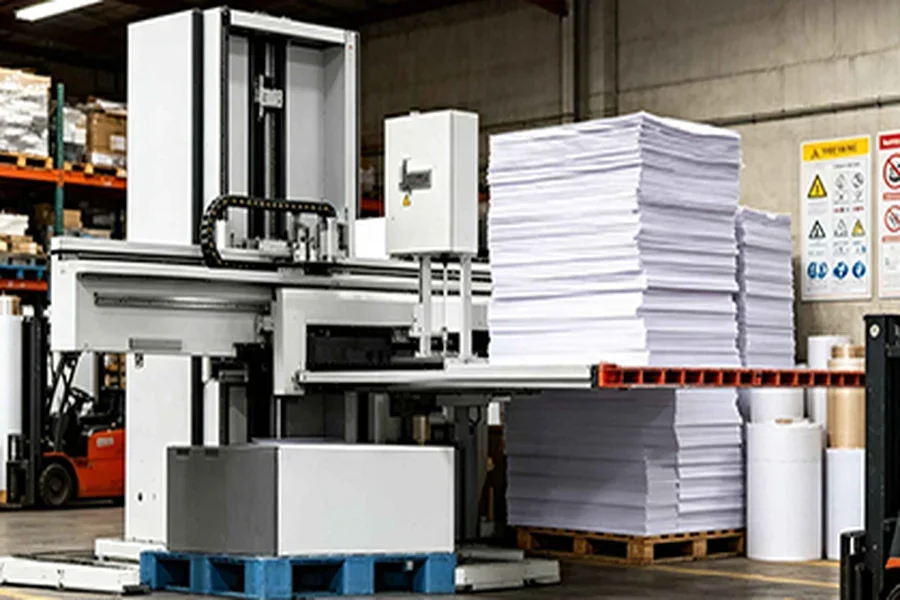
The slitter is often the last station before rewinding or sheeting, making its performance a bottleneck for overall line throughput. A mismatched slitter can cause web breaks, edge quality defects, and excessive downtime. Therefore, sizing must begin with process parameters—line speed, material type, roll width, and tension profile—before evaluating machinery options. For a deeper look at how line integration affects capacity, review production capacity considerations in your facility.
How Do Slitter Technologies Compare for Your Application?
Slitting technologies fall into three primary categories: razor (score) cut, shear cut, and crush cut. Each has distinct advantages and constraints.
- Razor (Score) Cut: Uses a stationary blade against a hardened anvil. Best for thin films, foils, and tapes. Low initial cost but limited blade life and potential for dust generation.
- Shear Cut: Two rotating blades (male/female) create a scissor action. Suitable for paper, laminates, and thicker materials. Provides clean edges but requires precise alignment and higher maintenance.
- Crush Cut: A hardened blade presses material against a resilient stone anvil. Commonly used on pressure-sensitive labels. Good for moderate speeds but anvil wear can affect consistency.
Your material's tensile strength, thickness, and adhesive properties will dictate which technology is viable. For example, shear cut is often preferred in high-speed paper converting lines due to its edge quality and durability.
Key Specification Comparison
Slitter Technology Comparison
| Criterion | Option A – Standalone Slitter | Option B – Integrated Slitting Station | Buyer Note |
|---|---|---|---|
| Line Speed Compatibility | Varies by model; typically up to 300 m/min | Depends on line design; often matches main line speed | Ensure slitter speed exceeds line speed by 10–15% for buffer |
| Material Width Range | Standard widths 1–2.5 m; custom available | Matched to upstream unwind width | Check maximum web width against downstream equipment |
| Tension Control | Independent tension zones possible | Integrated with line tension control system | Evaluate if independent tension is needed for sensitive materials |
| Changeover Time | 15–30 minutes per slit pattern change | Depends on automation; manual changeover adds 20–40 min | Automated knife positioning reduces changeover by up to 50% |
| Floor Space Requirement | Approx. 20–30 m² (5–8 m length) | Reduced through sub-frame integration | Measure available space near unwind/rewind stations |
| Edge Quality | Good on clean substrates | Excellent with shear cut configuration | Test samples with your exact material before finalizing |
This comparison is a starting point. For line-specific integration details, consult converting line solutions that address both process and machinery constraints.
What Are the Operational Implications of Each Slitter Type?
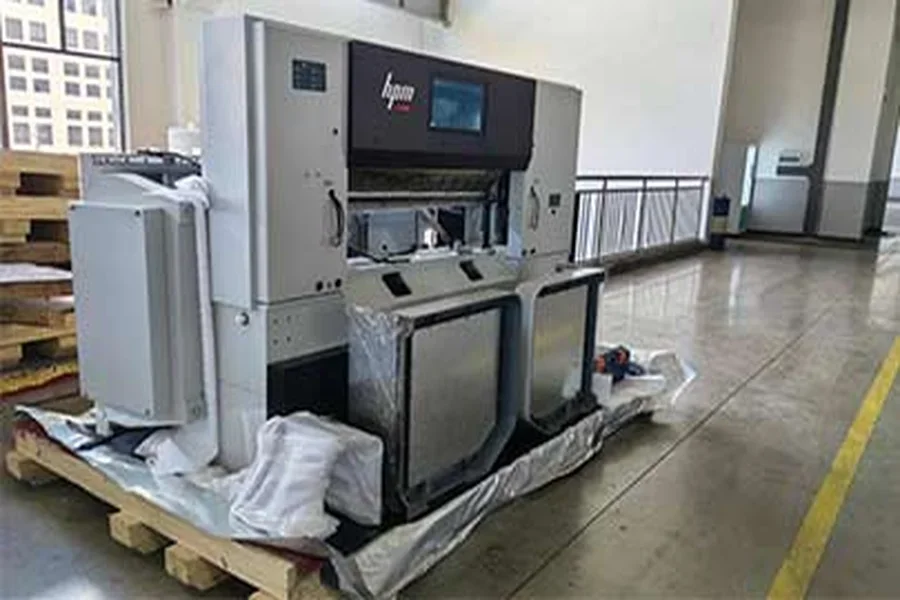
Beyond specifications, operational factors influence total cost of ownership. Consider these aspects when comparing slitter options:
- Maintenance Complexity: Shear cut requires more frequent blade regrinding; razor cut needs periodic blade replacement.
- Spare Parts Availability: Proprietary anvils or blade holders may increase lead times. Check with suppliers.
- Training Requirements: Integrated slitting stations often need specialized setup training for optimal tension and knife positioning.
- Energy Consumption: Standalone units have separate drives; integrated systems share power electronics, potentially lowering total energy draw.
If your line runs multiple jobs per shift, changeover time is a critical cost driver. Automated slitter positioning can reduce downtime significantly. For further reading on automation, see efficiency solutions for converting lines.
Decision Framework for Procurement Teams
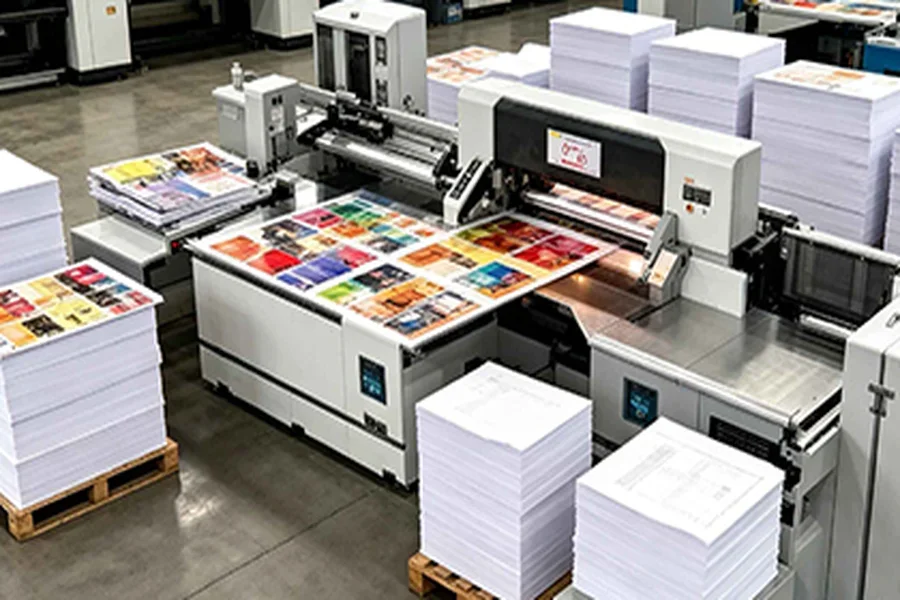
To objectively evaluate slitter options, follow this step-by-step decision framework:
1. Define process parameters: line speed, material web width, material type (paper, film, laminate).
2. Identify critical quality attributes: edge straightness, dust tolerance, minimum slit width.
3. Assess line configuration: existing tension control, available floor space, workflow layout.
4. Compare technical specifications using the table above; request supplier data sheets for exact values.
5. Evaluate operational costs: changeover time, maintenance frequency, spare parts lifespan.
6. Conduct on-site trials: run your material through shortlisted equipment before purchase.
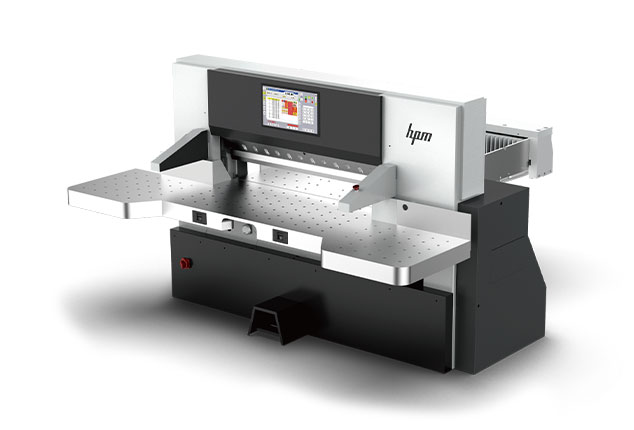
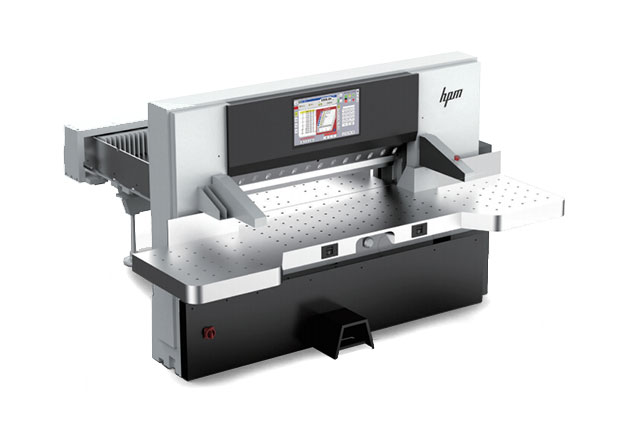
Remember that the slitter is only one component. Its performance depends on upstream web handling. Review technology innovations in web handling to understand how tension and alignment affect slitting quality. Additionally, paper cutting machine configurations offer modular approaches that may simplify integration.
FAQ
What is the difference between a standalone slitter and an integrated slitting station?
A standalone slitter operates independently with its own unwind and rewind, while an integrated slitting station is built into the main converting line. Standalone units offer flexibility for off-line slitting but require additional material handling. Integrated stations minimize footprint and can synchronize with line speed but typically have less flexibility for job changes.
How do I calculate the required slitter speed for my line?
Calculate the maximum line speed (e.g., 250 m/min) and add a speed buffer of 15–20% for acceleration and deceleration. For example, a 250 m/min line should pair with a slitter rated at least 300 m/min. Confirm with the supplier that the slitter can maintain consistent tension at that speed.
Can a slitter handle multiple material types?
Yes, but with tradeoffs. Razor cut works well on films but may produce dust on paper. Shear cut is versatile for papers and laminates but requires blade changes for different thicknesses. Crush cut is best for adhesive materials. Specify your full material mix when requesting proposals.
What certifications should I look for in slitter machinery?
Key certifications include CE for European markets, UL for electrical safety, and ISO 9001 for quality management. For hazardous environments, ATEX or FM approvals may be necessary. Request compliance documentation from suppliers.
Conclusion
Sizing a slitter for the production line requires a process-first mindset. By evaluating slitter technology, specifications, operational implications, and using a structured decision framework, procurement teams can make informed choices that balance performance, cost, and risk. Neutral criteria—such as speed compatibility, changeover time, and edge quality—should drive the comparison, not brand loyalty. Validate all specifications against your actual line conditions and material properties before finalizing your investment. For ongoing support, explore maintenance and support services to sustain long-term slitter performance.
Related site pages: Production Capacity, Home, Company, About Hpm, Technology Innovation, Sustainability.