
 English
 Français
Article Overview: This guide provides an objective, early-stage understanding of packaging machinery for technical buyers, engineering managers, and operations leaders. It covers the main types of equipment, how automation is integrated into packaging lines, and key factors to consider when evaluating systems. The goal is to build foundational knowledge before moving to vendor comparisons or purchase decisions.
What Are the Core Types of Packaging Machinery?
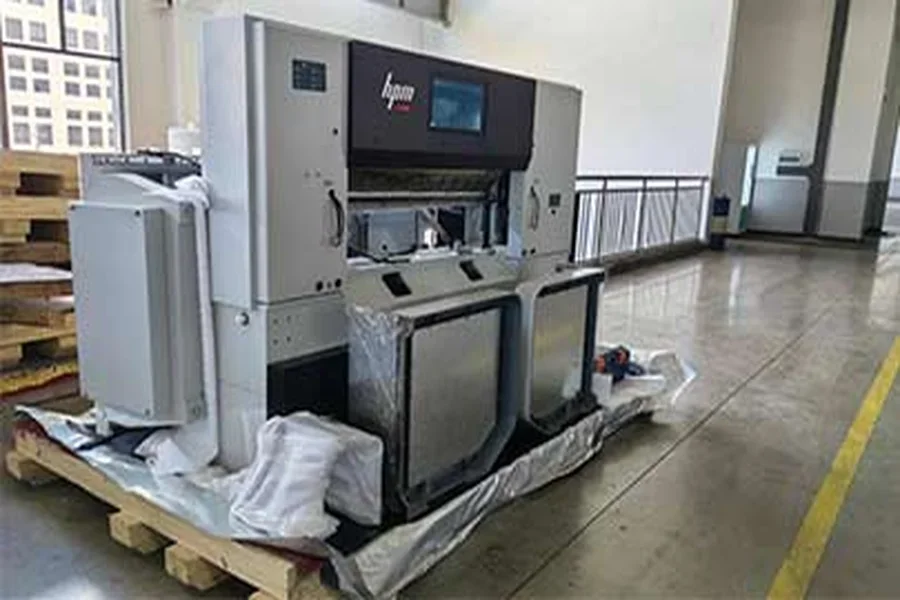
Packaging machinery encompasses a broad range of equipment used to form, fill, seal, wrap, and handle products. For production lines, understanding the primary categories helps decision-makers map machinery to their specific process needs. The following are common types found in industrial packaging operations:
- Slitters – Cut large rolls of material, such as paper or film, into narrower widths. Slitters are critical for converting rolls into sizes suitable for downstream processes.
- Printers – Apply labels, barcodes, or designs directly onto packaging materials. In-line printers allow real-time customization without separate labeling steps.
- Rewinders – Wind finished material back into rolls after slitting or printing. They ensure consistent tension and roll quality for further handling or shipment.
- Sealers – Close bags, pouches, or cartons using heat, pressure, or adhesive. Sealers are available in continuous and intermittent motion variants depending on line speed.
- Pile Turners and Stackers – Used in paper converting to align, aerate, and turn stacks of sheets. Equipment such as the paper loader and paper unloader improve workflow efficiency by automating material handling.
Each machine type serves a distinct role, but they are often combined into integrated lines. For example, a printing-slitting-rewinding line can handle multiple conversion steps in a single pass. The choice of machinery depends on product dimensions, material properties, and throughput targets.
How Does Automation Integrate Into Packaging Lines?
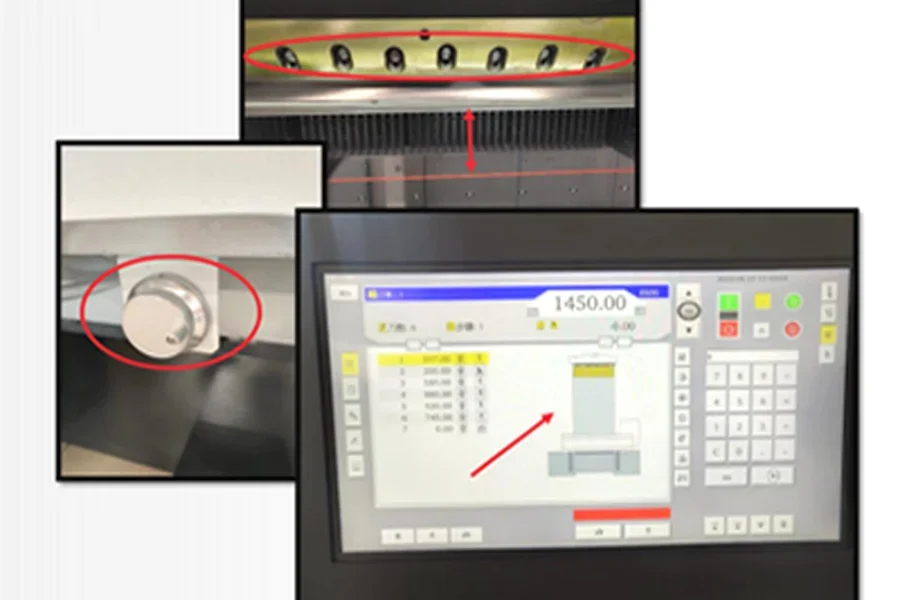
Automation in packaging machinery has moved beyond simple conveyor control. Modern systems use servo-driven motors, programmable logic controllers (PLCs), and human-machine interfaces (HMIs) to synchronize multiple processes. A typical automated line might include sensors that detect material position, adjust tension in real time, and trigger cutting or sealing at precise intervals.
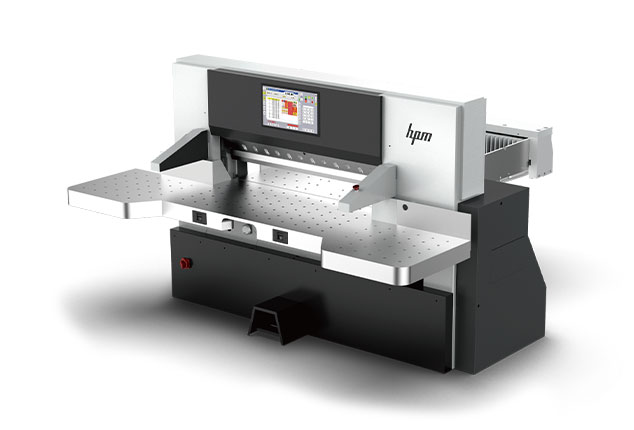
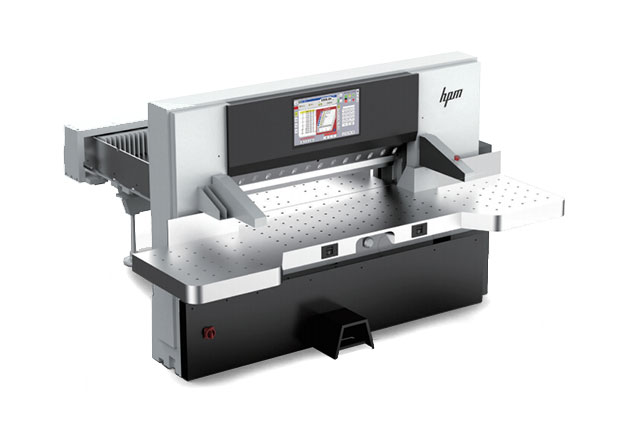
One example is the transition from manual paper stacking to automated pile turning and unloading. In a high-volume print shop, operators previously manually lifted and rotated stacks of sheets. Today, equipment like the 130/150/170 Air Alignment Pile Turner With Touch Screen (referenced from industry catalog data) uses pneumatic alignment and touch-screen controls to reduce physical effort and increase accuracy. Similarly, the 1050-1650 Intelligent Servo System Paper Stack Unloader integrates with high-speed paper cutters to automate material flow.
Key benefits of automation include reduced labor costs, improved repeatability, and the ability to run longer production shifts with fewer quality deviations. However, automation also requires upfront investment in engineering and integration. For many mid-size converters, a phased approach—starting with one automated station and expanding over time—can balance cost and efficiency gains. Evaluating your existing line's production capacity is a critical first step in determining where automation will have the greatest impact.
What Are the Key Considerations When Selecting Packaging Machinery?
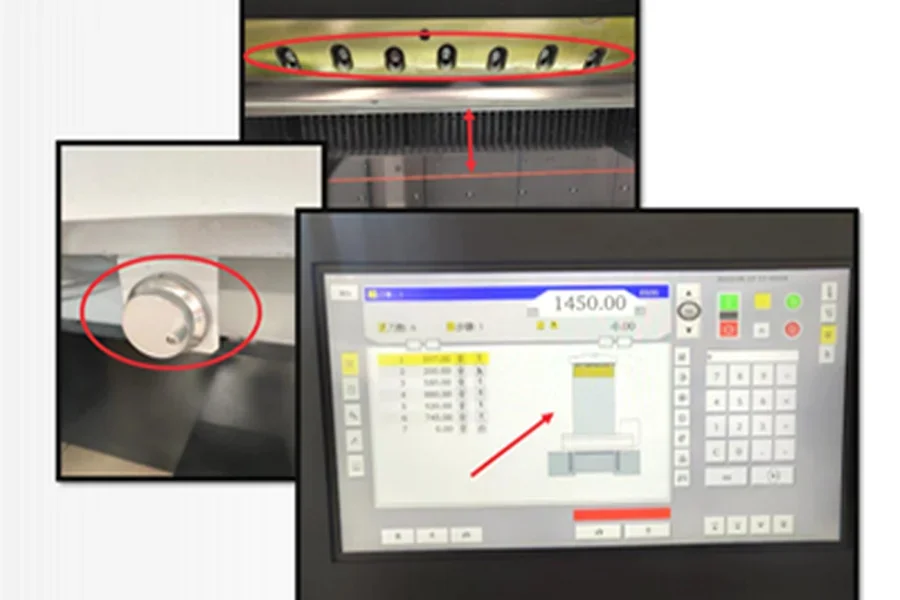
Choosing the right packaging machinery involves balancing technical specifications, operational requirements, and long-term serviceability. The following checklist can help structure your evaluation:
- Material Compatibility – Confirm the machine can handle your substrate (paper, film, foil, corrugated) within its thickness, width, and weight ranges.
- Speed and Throughput – Match the machine's rated speed to your production targets. Over-specifying can lead to unnecessary capital expenditure; under-specifying creates bottlenecks.
- Changeover Time – For short-run production, quick-change tooling and automatic size adjustments reduce downtime. Evaluate the time required between jobs.
- Maintenance Requirements – Consider ease of access for cleaning and part replacement. Machines with modular components often simplify maintenance planning and reduce mean time to repair.
- Integration with Existing Equipment – Check communication protocols (e.g., Ethernet/IP, Profinet) and physical interfacing. A machine that does not align with your current system solutions may require costly adapter components.
- Total Cost of Ownership – Include energy consumption, spare parts availability, and anticipated service intervals. A lower purchase price can be offset by higher operational expenses over the machine's lifetime.
These factors are interdependent. For instance, a high-speed slitter may demand more frequent blade replacement, which affects both maintenance scheduling and consumables costs. Reviewing technology innovation from multiple suppliers can reveal which designs offer the best trade-offs for your specific application.
FAQ
What is the difference between a slitter and a rewinder?
A slitter cuts a wide roll of material into narrower rolls or sheets. A rewinder takes the output from a slitter (or from a printing process) and winds it onto new cores with controlled tension. Many combination machines perform both functions in one unit.
How long does typical packaging machinery last?
With proper maintenance, industrial packaging machinery often lasts 10 to 20 years. Life span depends on operating hours, material abrasiveness, and adherence to recommended service schedules. Regular maintenance, such as lubricating bearings and replacing wear parts, extends equipment longevity.
Can older packaging lines be retrofitted with automation?
Yes, many manufacturers offer retrofit kits for servo drives, sensors, and controls. Retrofitting can improve efficiency without replacing entire lines. However, the feasibility depends on the mechanical condition of the existing equipment and the availability of compatible components. Consult with your machinery supplier or an integration specialist to assess potential upgrades.
What certifications are important for packaging machinery?
Common certifications include CE (European conformity), UL (safety standards in North America), and ISO 9001 (quality management). For specific industries, such as food or pharmaceuticals, additional standards like FDA or GMP may apply. Always verify the required certifications for your target market.
Conclusion
Packaging machinery is a diverse category that directly impacts production efficiency, product quality, and operational costs. By understanding the core equipment types—slitters, printers, rewinders, sealers, and material handling units—decision-makers can better evaluate how each component fits within a broader line. Automation integration offers measurable gains in throughput and consistency, but it requires careful planning around existing infrastructure and long-term capacity goals. Use the selection checklist outlined above as a starting point for discussions with potential suppliers. For further guidance, explore our full product range and system solutions to see how different configurations address specific production scenarios.