
 English
 Français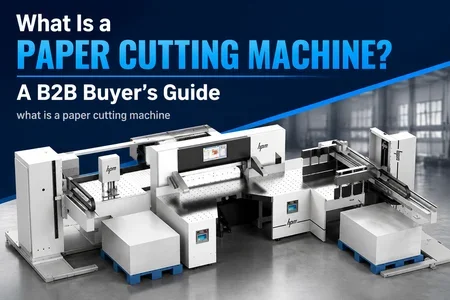
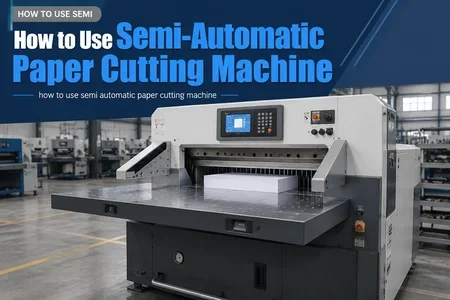
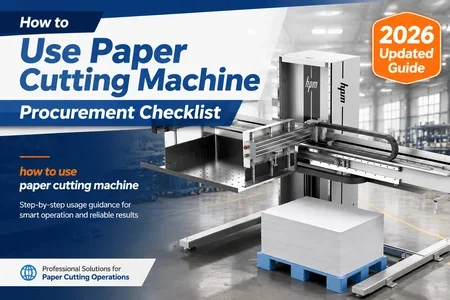
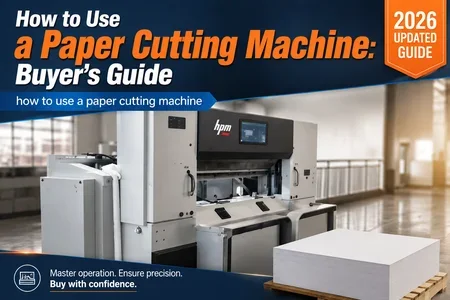
Article Overview: Learn how to evaluate integrated packaging machinery lines. This procurement guide covers supplier validation, RFQ checkpoints, and risk mitigation for high-intent buyers.
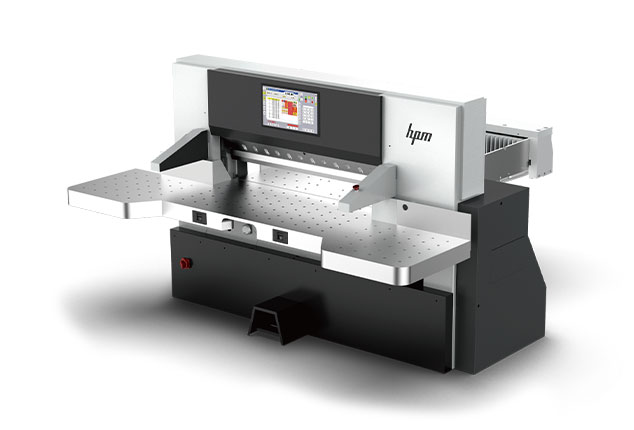
Article Overview: This guide is written for procurement managers and sourcing teams evaluating the transition from standalone packaging machines to fully integrated production lines. It covers the key differences between discrete equipment and line solutions, critical supplier evaluation criteria, RFQ preparation, and implementation risks. The goal is to help you make informed purchasing decisions that balance efficiency, cost, and long-term operational reliability.
The packaging machinery industry is increasingly moving away from standalone units toward integrated, automated lines that handle multiple processes—from paper loading to cutting to stacking—in a seamless workflow. For buyers, this shift presents both opportunities and challenges. Integrated lines can reduce labor costs, improve throughput, and minimize waste, but they also require a higher upfront investment and more rigorous supplier vetting. Understanding how to evaluate these systems before issuing an RFQ is essential to avoid costly procurement mistakes.
Understanding the Shift from Standalone to Integrated Packaging Lines
The traditional approach to packaging machinery involved purchasing individual machines for each function—a paper loader, a paper cutter, a paper unloader—and manually connecting them. Today, manufacturers like those in the packaging machinery sector offer integrated lines that combine these functions into a single automated system. This integration is driven by demand for higher efficiency, consistent quality, and reduced dependency on manual handling.
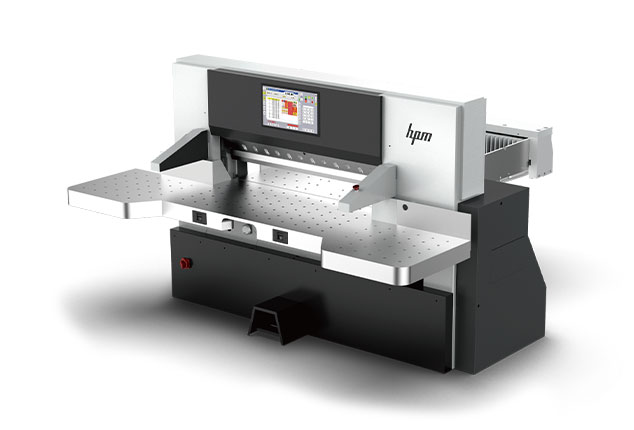
An integrated line typically includes a paper loading mechanism, a cutting station with programmable controls, and an unloading or stacking system, all synchronized through a central control unit. For example, a paper cutting line can automatically feed sheets, cut them to precise dimensions, and stack the finished products without operator intervention. This reduces cycle time and eliminates variability caused by manual processes.
When evaluating integrated lines, buyers should consider the maturity of the automation technology. Look for systems that use intelligent servo drives and hydraulic cutting systems, as these provide better accuracy and reliability. Also, assess the line’s ability to handle different paper sizes and volumes—flexibility is critical if your production requirements change.
Key Procurement Criteria for Integrated Packaging Machinery
Choosing an integrated packaging machinery solution requires a structured procurement framework. The following criteria should be at the top of your checklist:
- Throughput and Speed: Define your required output per shift. Integrated lines should match or exceed your current production targets without creating bottlenecks. Ask suppliers for validated throughput data based on similar customer installations.
- Changeover and Flexibility: How quickly can the line switch between different paper sizes or cut patterns? Quick changeover reduces downtime and increases overall equipment effectiveness (OEE).
- Accuracy and Repeatability: For paper cutting lines, micron-level precision is often required. Verify the machine's cut tolerance specifications and ask for quality assurance reports from reference sites.
- Automation Level: Determine the degree of automation that fits your labor strategy. Fully automated lines reduce headcount but require higher maintenance skills. Semi-automated options may be more suitable if you have existing operators.
- Total Cost of Ownership (TCO): Beyond the purchase price, consider energy consumption, spare parts availability, maintenance intervals, and training requirements. A cheaper line may have higher operating costs over five years.
Create a weighted scoring system for these criteria and use it to compare suppliers objectively. This reduces the risk of selecting a supplier based solely on price or brand recognition.
Validating Supplier Capability and Production Fit
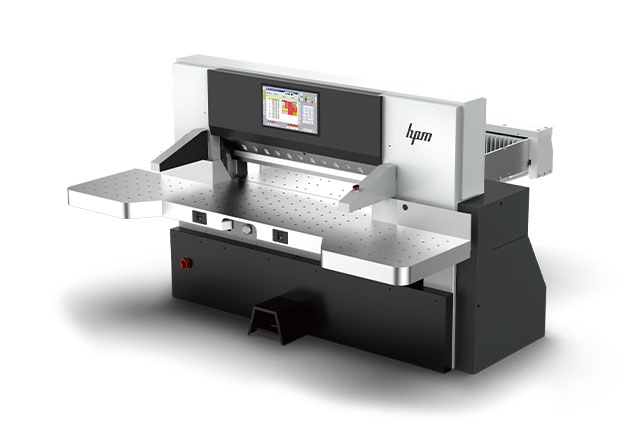
Once you have a shortlist of potential suppliers, the next step is to validate their manufacturing capability and the fit of their integrated line solution for your specific application. This goes beyond reading brochures. Key validation steps include:
- Factory Audit: Visit the supplier’s production facility to assess their quality control processes, equipment maintenance practices, and production capacity. A direct maker like HPM with decades of experience often has more robust in-house capabilities than assemblers who source components from third parties.
- Reference Sites: Ask for at least three customer references with similar applications. Contact these references to discuss installation experience, uptime, and after-sales support. Pay attention to how long the line has been operational and any recurring issues.
- Test Runs: Request a trial run using your own paper samples and production specifications. This provides tangible evidence of cut quality, speed, and any material handling issues. Some suppliers offer on-site demonstrations or virtual simulations.
- Certifications and Standards: Verify that the supplier holds relevant certifications (e.g., CE, ISO) and that their machinery complies with your local safety and environmental regulations. Certificates can be checked on the company’s website or via official registries.
Supplier validation is not a one-time check—it should be an ongoing process throughout the RFQ and negotiation phases. Document all findings and share them with your internal team to build consensus.
RFQ Preparation: What to Include and Why
A well-prepared Request for Quotation (RFQ) is your most powerful tool to ensure comparable bids and avoid hidden costs. For integrated packaging machinery, your RFQ should include the following elements:
- Detailed Technical Specifications: Define the paper size range, sheet weight, cut dimensions, required throughput, and acceptable tolerance. Include any special requirements such as dust control or noise limits.
- Scope of Supply: Specify whether the RFQ covers a complete line or core equipment only. Request a breakdown of all components (loaders, cutters, conveyors, stackers) and any optional modules.
- Installation and Commissioning: Ask suppliers to include installation, calibration, and operator training in their proposal. Clarify if on-site support is available and for how long.
- Spare Parts and Service: Request a list of critical spare parts with lead times and prices. Also, ask about service response times and warranty terms. Some suppliers offer remote diagnostics or preventive maintenance contracts.
- Payment Terms and Timeline: Standard payment milestones in the industry often include an advance payment, progress payment upon shipment, and final payment after acceptance. Ensure the timeline aligns with your project schedule.
Distribute the RFQ to at least three qualified suppliers to create a competitive bidding environment. Use a standardized template to facilitate side-by-side comparison. Inconsistent responses can reveal a supplier’s lack of experience or willingness to commit to specific performance guarantees.
Implementation Risks and How to Mitigate Them
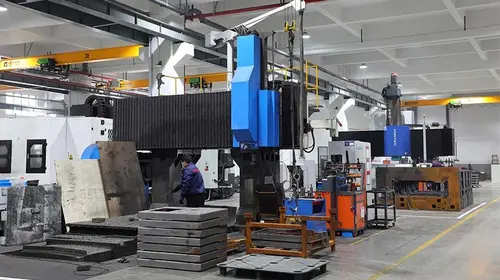
Even with thorough evaluation and a solid RFQ, implementation of an integrated packaging line carries risks. Common pitfalls include underestimating the learning curve for operators, insufficient floor space, and integration issues with existing upstream or downstream equipment. To mitigate these:
- Site Preparation: Ensure your facility has adequate floor space, electrical capacity, and material flow paths. Involve your facilities team early in the evaluation process.
- Training and Documentation: Insist on comprehensive training for your operators and maintenance staff. Good documentation—including electrical schematics, lubrication charts, and troubleshooting guides—reduces downtime.
- Phased Deployment: If possible, implement the line in phases starting with a pilot installation. This allows you to validate performance before full-scale deployment.
- Performance Metrics: Define key performance indicators (KPIs) such as OEE, scrap rate, and mean time between failures (MTBF). Monitor these metrics closely during the first six months and use them to fine-tune operations.
By proactively addressing these risks, you can smooth the transition to an integrated line and realize the expected efficiency gains sooner.
Frequently Asked Questions
What is the typical payback period for an integrated packaging line?
Payback periods vary depending on your current labor costs, production volume, and the level of automation. Many buyers report a payback of 18 to 36 months through reduced labor and waste. Request a cost-benefit analysis from your supplier based on your specific data.
How do I know if my facility is ready for an integrated line?
Conduct a pre-installation assessment that covers floor space, electrical infrastructure, material flow, and operator skill levels. Most suppliers offer a site survey as part of the proposal process. Address any gaps before committing to the purchase.
What maintenance is required for an integrated paper cutting line?
Routine maintenance includes lubrication of moving parts, inspection of cutting blades, calibration of sensors, and software updates. Follow the manufacturer’s maintenance intervals to maximize uptime. Consider a preventive maintenance contract for critical components.
Can I integrate an older standalone machine into a new line?
It is possible but often challenging due to differences in control systems and cycle times. Most suppliers recommend a complete line for optimal synchronization. However, some manufacturers offer retrofit kits or interfaces. Discuss compatibility with the supplier during the RFQ stage.
What should I look for in a supplier's after-sales support?
Check the supplier’s response time for service requests, availability of local technicians, and stock of spare parts. Ask for a service level agreement (SLA) that defines uptime guarantees and penalties for non-compliance. A supplier with a strong after-sales network reduces your operational risk.
Conclusion
The transition from standalone packaging machines to integrated lines is a strategic decision that can significantly improve your operational efficiency and competitiveness. However, it requires a disciplined procurement approach. By understanding the technology shift, applying structured evaluation criteria, validating supplier capability, preparing a thorough RFQ, and mitigating implementation risks, you can make a purchase that delivers long-term value. Start by reviewing your current production pain points and sharing this guide with your sourcing team. For further technical details and product comparisons, explore the solution pages of leading manufacturers to see how their line configurations match your requirements.