
 English
 Français
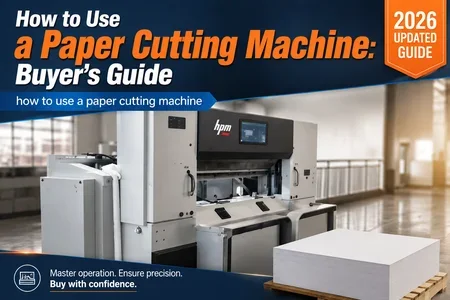
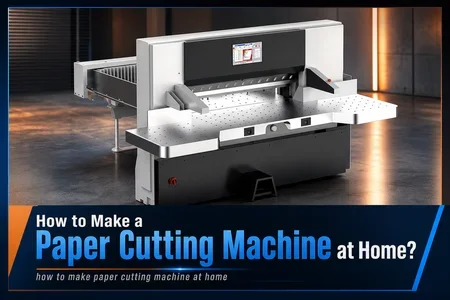
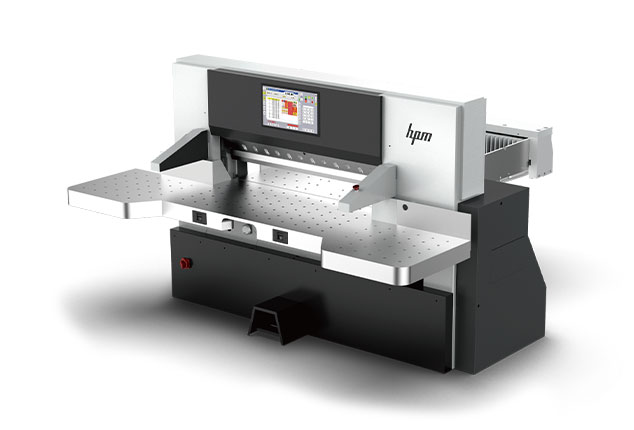
Article Overview: This guide answers buyer intent for “how to use paper cutting machine” by providing practical selection and usage guidance for industrial paper cutting machines. Whether you are a first-time buyer or upgrading equipment, the following checklist covers procurement checkpoints, operational workflows, maintenance best practices, and risk controls. For a specific example, explore the S16 paper cutting machine as a benchmark for features. For broader category solutions, see paper cutting machine solutions.
What Production Requirements Should You Assess Before Buying?
Before selecting any equipment, you must map your production needs to machine capabilities. Key factors include:
- Maximum paper size and thickness your jobs require
- Cutting volume per shift (manual vs. automatic feeding)
- Required precision and tolerance levels
- Integration with existing finishing lines (e.g., folders, binders)
- Floor space and infrastructure (power, compressed air)
Assessing these items early prevents mismatched purchases. For instance, a high-volume print shop may need a fully automated machine with a loading table and unloader, while a small trade binder may prefer a semi-automatic unit. Document your current and projected workload to match with machine throughput.
How to Use Paper Cutting Machine Features to Reduce Operating Costs
When evaluating machines, focus on features that directly impact efficiency and cost-per-cut. Critical elements include:
- Control system: Programmable logic controllers (PLC) with touchscreens simplify job setup and reduce waste.
- Back gauge accuracy: High-precision ball screws and linear guides ensure consistent cuts.
- Safety devices: Light curtains, two-hand operation, and blade guards are non-negotiable for operator protection.
- Lubrication and maintenance: Automatic lubrication systems extend life and reduce downtime.
- Energy efficiency: Servo-driven motors consume less power and generate less heat.
Comparing these features across suppliers helps you justify total cost of ownership, not just purchase price. Request energy consumption data and maintenance schedules from vendors.
Step-by-Step Workflow: How to Use Paper Cutting Machine Effectively
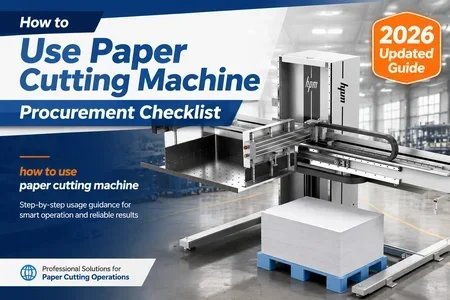
Understanding the operational sequence is vital for both procurement decisions and daily use. The following workflow applies to most industrial paper cutting machines and can be adapted to your specific model.
Phase 1: Pre-Operation Setup
- Inspect the machine for any visible damage or obstructions.
- Verify that all safety devices (light curtains, emergency stops) are functional.
- Load paper onto the back gauge table, aligning the stack with the side guide.
- Input job parameters (cut size, quantity, repetitions) via the control panel.
- Perform a test cut on scrap paper to confirm alignment and clamp pressure.
Phase 2: Full Production Run
- Start the automatic cutting cycle; monitor the first few cuts for anomalies.
- Check cut quality (squareness, edge finish) every 100–200 sheets.
- Remove finished stacks using the integrated unloader or manual extraction.
- Adjust back gauge position if tolerances drift (refer to machine calibration guide).
- Keep the work area clear of loose paper scraps to avoid jams.
Following this structured approach minimizes waste, reduces operator errors, and extends blade life. Training our team on these steps ensures consistent output.
How to Use Paper Cutting Machine for Long-Term Reliability and Safety
Beyond initial setup, ongoing operation determines the machine’s lifespan and your return on investment. Here are key practices:
- Daily checks: Inspect blades for dullness or nicks; replace as needed.
- Lubrication schedule: Follow manufacturer recommendations for oiling bushings and guides.
- Electrical safety: Ensure all covers are closed and interlocks are engaged before power-on.
- Software updates: Keep controller firmware current to avoid glitches.
- Training: Provide periodic refreshers on how to use paper cutting machine safely, especially after staff changes.
Neglecting maintenance leads to costly repairs and unplanned downtime. Consider purchasing a service agreement that includes scheduled visits by qualified technicians.
Supplier Evaluation and Risk Control
When selecting a supplier, prioritize those who offer transparent specifications, reliable after-sales support, and references. Use this checklist during evaluation:
- Request a detailed product spec sheet with power consumption, noise levels, footprint.
- Ask for video proof of the machine running your typical stock (paper type, size).
- Contact past buyers (ask for at least three references) to verify uptime and service response.
- Clarify warranty terms—parts, labor, and on-site support period.
- Review spare parts availability; long lead times can cripple production.
For risk mitigation, include acceptance tests in your purchase contract. Before final payment, run your own jobs on the machine under agreed conditions. This ensures the equipment meets your “how to use paper cutting machine” expectations.
FAQ
What should buyers evaluate first about how to use paper cutting machine?
Start with fit, evidence-backed requirements, and supplier proof relevant to how to use paper cutting machine before shortlisting vendors.
How can teams reduce procurement risk for how to use paper cutting machine?
Use structured comparison, validate specifications early, and review implementation or quality checkpoints with documented evidence.
Related articles
- How to Use a Paper Cutting Machine: Buyer's Guide
- How to Sell Chinese Paper Cutting Machine
- How to Make a Paper Cutting Machine at Home?
Conclusion
Procuring a paper cutting machine requires balancing upfront cost, operational efficiency, and long-term reliability. By systematically assessing your production needs, evaluating key features, understanding the daily workflow, and implementing robust maintenance and supplier checks, you can make an informed decision. Remember, the goal is not just how to use paper cutting machine today, but how to integrate it profitably for years. Use this checklist as your starting point, and always test before you invest.