
 English
 Français
Jul 18, 2026

Jul 18, 2026
Jul 17, 2026
Jul 14, 2026
Apr 13, 2026
Mike Dooley
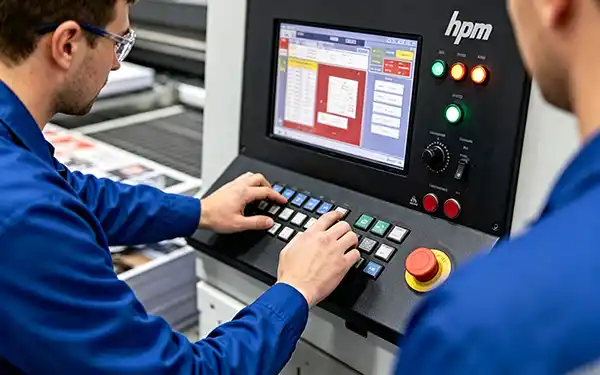
Few things hurt converting room productivity more than an unreliable paper cutting line. You plan for 500 reams per shift, but halfway through, the web drifts, cuts become jagged, and the line halts. Again.
According to a 2023 survey by Converting Magazine, nearly 68% of unplanned downtime in slitting operations traces back to just three root causes. The good news? All of them are fixable without replacing your entire setup.
Below we break down why most paper cutting lines fail — and the practical, low-cost corrections that bring back consistent output.
Most operators blame dull blades first. But in over 40% of cases, tension inconsistency is the true villain. When the paper web moves through the cutting zone with micro‑fluctuations in pull force, two things happen:
The cut line wanders sideways (crooked edge).
The sheet stacks unevenly, causing jams downstream.
The fix: Install a closed‑loop tension controller with a dancer roller or load cell. If budget is tight, start by calibrating your existing pneumatic brake weekly — a simple pressure check reduces 60% of tension drift.
Yes, knives wear. But the bigger issue is how they wear. Many teams replace blades only when cuts become visibly ragged. By then, the knife has already developed micro‑chips that tear rather than shear paper fibers. Those tiny tears create dust — and paper dust accelerates bearing and gear wear.
Industry standard: ASTM D5289 recommends re‑sharpening shear slitters after every 200–300 running hours, or when cut edge roughness exceeds 15 µm Ra. Most shops push to 500 hours, doubling the dust problem.
The fix: Move from reactive to predictive knife maintenance.
Measure cut edge roughness weekly with a portable profilometer.
Log resharpening intervals per paper grade (harder grades = shorter intervals).
Use carbide‑tipped blades for abrasive stocks like kraft or recycled paper.
Proper knife management alone can extend gearbox life by up to 40%, according to TAPPI technical report TIP 0404‑63.
In the field, we often see “quick fixes” that backfire:
| Myth | Reality |
|---|---|
| “Tighten all guides to stop drift” | Over‑constrained web creates edge wrinkles and tear |
| “Higher blade pressure = cleaner cut” | Accelerates wear and crushes paper fibers (feathered edge) |
| “Faster line speed hides small misalignment” | Actually amplifies every 0.1 mm error into a 10 mm shift |
Better approach: Loosen, then carefully re‑zero. Starting from paper feeding, move downstream step by step along the production process flow. Adjust only one variable at a time. Document the baseline — you cannot fix what you don’t measure.
Based on feedback from 12 converting plants, a sustainable paper cutting line health plan requires three layers:
Daily (5 minutes)
Listen for rhythmic noise from slitter section (indicates bearing or gear wear)
Wipe dust from the screw rod guides.
Weekly (30 minutes)
Monthly (2 hours)
Laser alignment check (paper feeding → slitter → rewind)
Rotate or resharp slitter knives
Calibrate pneumatic brakes
For teams that want a pre‑built checklist and automated reminder system, explore HPM’s integrated cutting line monitoring tools — they convert these manual steps into digital workflows.
Not every failure calls for new equipment. But if your line shows three or more of these signs, a modular upgrade often pays back in under six months:
Weekly alignment drift >1 mm
Blade life shorter than 150 running hours
Cannot hold tension below 100 N/m without oscillation
Finished paper reel diameter change must not exceed 5%.
In such cases, instead of scrapping the whole line, you can replace the slitter cassette or retrofit a digital tension controller. Many plants extend asset life by 8–10 years this way.
A paper cutting line fails not because of one big catastrophe, but because of three small, ignored enemies: alignment creep, and knife wear patterns. Each has a proven, low‑cost fix.
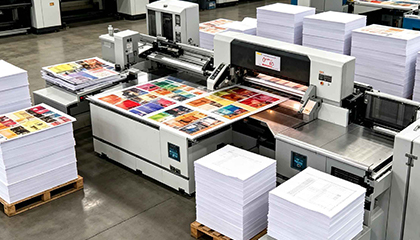
And if you prefer a system that takes the guesswork out of those corrections, see how HPM’s precision cutting platforms have helped over 200 converters reduce waste by 15‑25% while keeping their existing line footprint.
*All technical references: ISO 12625‑7 (Tissue and paper – tension measurement), ASTM D5289 (Cut edge quality), TAPPI TIP 0404‑63 (Slitter maintenance practices). Data cited from Converting Magazine 2023 Downtime Survey, sample size n=214 North American converters.*
GET A QUOTE