
 English
 Français
Jul 18, 2026
Jul 18, 2026
Jul 17, 2026
Jul 14, 2026
Apr 15, 2026
Mike Dooley
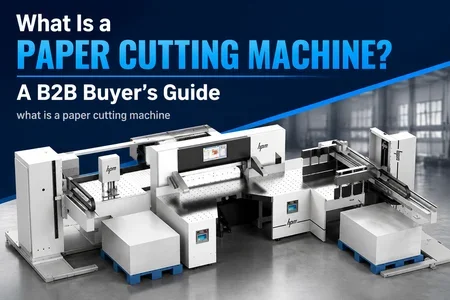
For print shops, packaging converters, and commercial finishing departments, choosing the right paper cutting & handling line means balancing precision, speed, safety, automation, and long-term cost. Paper-Cutting-Machine remains a core component of stable, high-volume finishing, and selecting a matching handling system directly determines hourly output, material waste, and operator safety. According to the 2026 Printing Industries Alliance production report, 68% of print businesses cite unstable cutting and inefficient handling as their top two workflow bottlenecks, while enterprises with matched cutting-handling lines reduce waste by 12–18% and boost output by 23% on average. This guide walks you through real-world selection logic, not just specs, so you can invest in equipment that fits your actual orders, space, and team.
Many buyers make a common mistake: buying a high-performance cutter first, then adding cheap handling accessories later. This creates mismatched speed, poor synchronization, and frequent jams. A truly efficient line integrates cutting, positioning, feeding, stacking, and conveying into one smooth workflow.
Real‑world pain points:
A well‑designed line eliminates these issues. It uses consistent control logic, synchronized movement, and unified safety protocols. For businesses running 8+ hour shifts, this difference isn’t incremental—it’s transformative.To compare integrated system designs, you can check full product specifications from professional manufacturers.
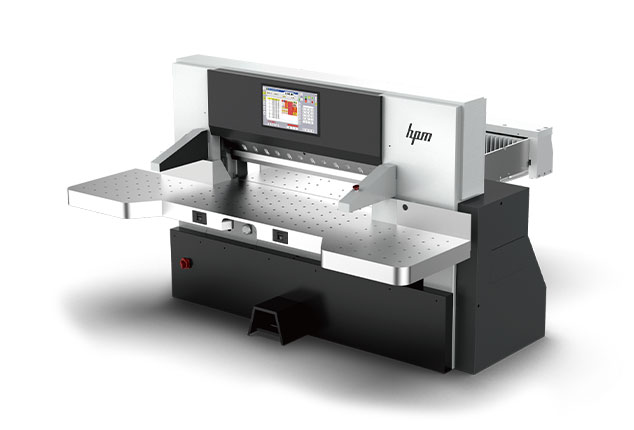
These measurable factors directly impact your daily production and ROI. Skip them, and you risk overinvesting or underperforming.
High‑end packaging, business forms, and photo books demand consistent precision. Look for systems holding 0.01mm positioning accuracy or better, with stable backgauge movement. Low‑accuracy units waste expensive coated paper and cardstock, raising costs over time.
Speed isn’t just about cutting fast—it’s about positioning fast. Top industrial lines reach 38m/min backgauge speed, cutting cycle times noticeably. For high‑mix, small‑batch jobs, faster positioning cuts downtime between orders.
European CE standards require photoelectric protection, electronic knife locks, and emergency stop button. Additional safeguards like platen spring breakage protection prevent sudden table drops, a critical hazard in busy workshops. Never compromise safety for lower cost.
Modern lines support PDF/JDF/CiP4 direct parsing, auto layout optimization, and QR code job recall. These features reduce manual programming errors and make small‑batch switching fast. Intelligent material planning boosts paper utilization by up to 9%.
Intuitive touch interfaces (16–22 inches) reduce training time. Quick‑change parts, stable transmission, and shock‑free power engagement extend service life and lower maintenance labor.
One size does not fit all. Choose based on your daily output, order types, and floor space.
Spending too much on overcapacity ties up capital. Spending too little leads to frequent jams and missed deadlines.
Many buyers debate which platform fits their workload. Here’s a practical breakdown.
Semi‑automatic manual cutters are low‑cost but labor‑intensive. They work for very low volumes but can’t scale with handling lines. They suffer from low accuracy and high injury risk.
Digital cutting tables excel in custom shapes and short runs but lack speed for large‑scale sheet cutting. They’re better for sample making than mass finishing.
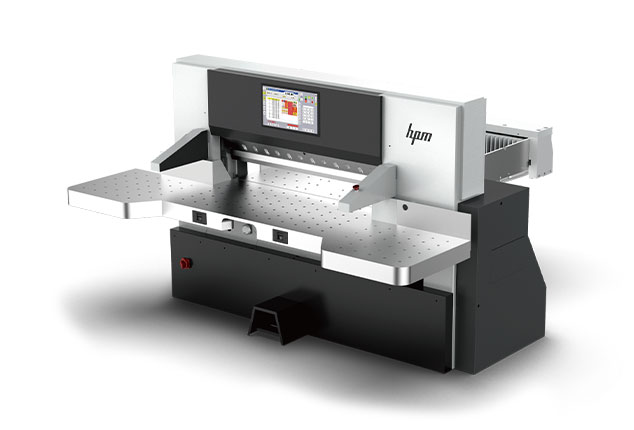
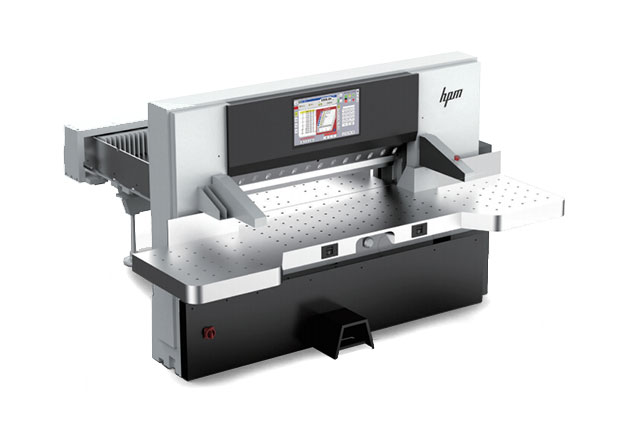
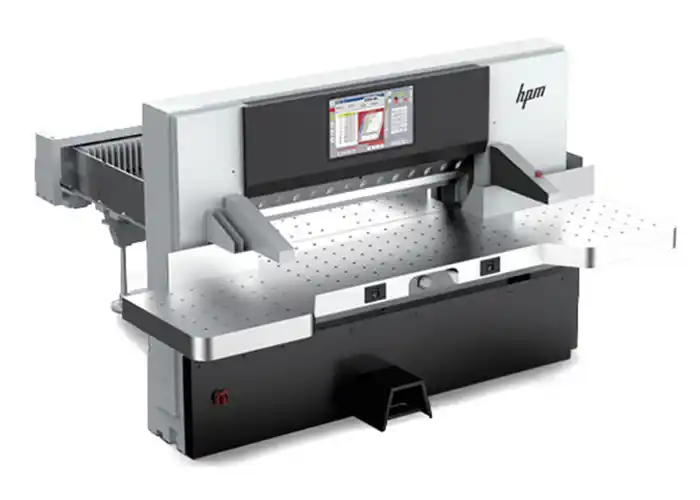
Paper-Cutting-Machine delivers superior precision, edge quality, and repeatability for straight cuts on large stacks. When paired with a dedicated handling line, it dominates high‑volume, high‑quality print and packaging production. The initial investment is higher, but lower waste, faster cycles, and longer service life deliver stronger long‑term value.
Off‑the‑shelf lines often miss your exact needs. Leading brands offer customized paper cutting & handling solutions tailored to:
Customization might include rear/front loading, increased cutting height, dedicated dust removal, or network synchronization with your MIS system. A properly customized line fits your space, reduces bottlenecks, and grows with your business.For real customization examples, you can explore industry application cases.
Over 42 years in print finishing, I’ve seen the same errors repeatedly. Avoid these:
The best way to avoid mistakes is to test with your real jobs, compare total cost of ownership, and verify customer references in your industry.
HPM combines German‑inspired design, industrial precision, and deep understanding of print finishing pain points. Its lineup covers entry‑level to flagship automated systems, with consistent safety, accuracy, and ease of use.
Key strengths:
Whether you run a small print shop or a large packaging plant, HPM adapts to your orders, space, and budget.If you need personalized selection support, you can get professional selection advice from their team.
Before you sign a contract, confirm:
The right paper cutting & handling line isn’t just a machine—it’s a workflow upgrade that improves quality, cuts waste, and reduces stress for your team.
GET A QUOTE