
 English
 Français
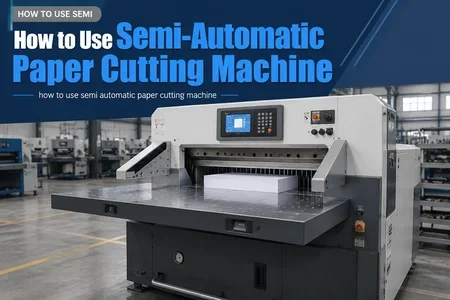
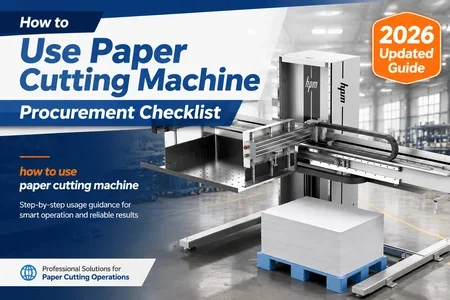
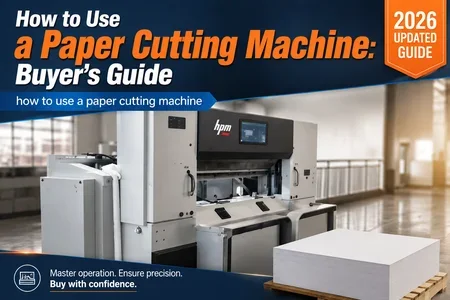
Article Overview: Compare hydraulic and air alignment pile turners for paper cutting lines. Procurement checklist with cost, precision, and maintenance factors to reduce purchase risk.
Article Overview: Selecting the right pile turner—hydraulic or air alignment—directly affects uptime, operator safety, and total cost of ownership in paper converting and cutting lines. This article provides a procurement comparison to help sourcing teams evaluate both technologies against their specific production requirements.
Understanding Hydraulic Pile Turners
Hydraulic pile turners use fluid power to rotate heavy stacks of paper or board. The system consists of a hydraulic pump, cylinders, and control valves that generate high clamping and rotating force. Key characteristics include:
- Force output: Hydraulic systems can handle heavier and larger format piles (e.g., A3/A4 stacks) with consistent torque throughout the rotation cycle.
- Control precision: Proportional valves allow variable speed and smooth acceleration/deceleration, reducing paper damage during turnover.
- Durability: Sealed hydraulic circuits are less susceptible to dust and debris common in paper environments, but require regular oil changes and filter maintenance.
- Example equipment: Models like the 1450/1650 Automatic Hydraulic Controlled Paper Stack Loader demonstrate integration of hydraulic pile turning with feeding systems.
For buyers processing large volumes of coated or sensitive paper, hydraulic turners offer the repeatable force needed to avoid edge damage and misalignment.
Understanding Air Alignment Pile Turners
Air alignment (pneumatic) pile turners rely on compressed air to actuate clamps and rotate the pile. These systems are often simpler in construction and easier to service. Key characteristics include:
- Speed of operation: Pneumatic cylinders can cycle quickly, making air turners suitable for high-speed lines where cycle time is critical.
- Cost: Lower initial purchase price and simpler installation (no hydraulic oil or complex pumps).
- Maintenance: Air leakages are easier to detect and repair than hydraulic leaks. However, air systems require clean, dry compressed air to prevent valve sticking.
- Example equipment: The 130/150/170 Air Alignment Pile Turner with touch screen control is a typical model for medium-format paper stacks.
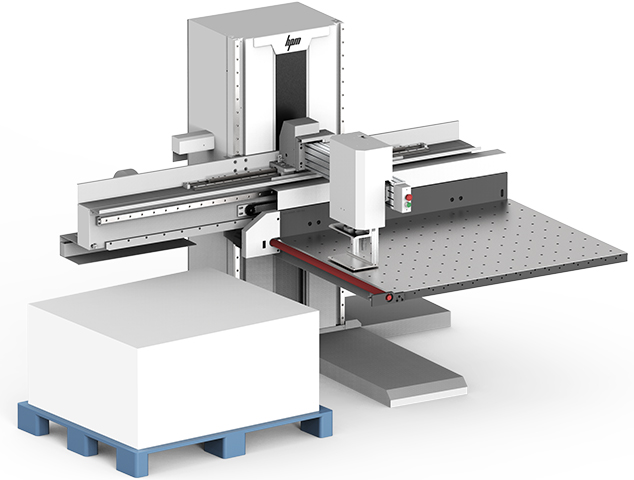
Air turners are often preferred in print shops or smaller converting operations where capital budgets are tighter and maintenance staff have limited hydraulic expertise.
Key Decision Criteria for Buyers
When evaluating hydraulic versus air pile turners, procurement teams should assess the following factors against their production profile:
- Pile weight and format: Hydraulic turners excel with piles exceeding 2 tons or formats above 1000 mm. Air turners are typical for lighter loads (under 1.5 tons).
- Cycle time requirements: If your line runs more than 8 turnovers per minute, air alignment may provide faster cycles, but confirm torque availability at peak speed.
- Control precision: For delicate or pre-printed papers, hydraulic systems offer finer acceleration control, reducing paper shifting. Air systems can be jerky without proper flow controls.
- Total cost of ownership (TCO): Consider energy costs—hydraulic pumps run continuously, while air compressors may serve multiple machines. Also factor in labor for hydraulic oil disposal vs. air compressor draining.
- Safety and compliance: Both technologies can integrate safety interlocks; hydraulic systems pose a fire risk from oil leaks, while air systems require pressure vessel certifications.
We recommend conducting a operational efficiency audit to quantify the impact of each technology on your specific line throughput.
RFP and Supplier Evaluation Checklist
To reduce procurement mistakes, include the following validation steps in your request for proposal (RFP) or supplier qualification process:
- Demand a performance curve: Ask for documented cycle time vs. pile weight data, not just nominal specs.
- Request maintenance logs: For used or refurbished units, require 2 years of service records focusing on seal replacements, oil changes, or compressor overhauls.
- Verify interchangeability: If you already have pneumatic or hydraulic infrastructure, confirm the new turner can integrate without major air or oil line modifications. Check compatibility with your existing auxiliary equipment.
- Warranty and support: Compare not just warranty duration but also response time for spare parts. For hydraulic systems, ensure local access to certified oil analysis.
- Test with your own paper: If possible, arrange a trial run with the exact paper grades you process. Measure stack alignment before and after turnover.
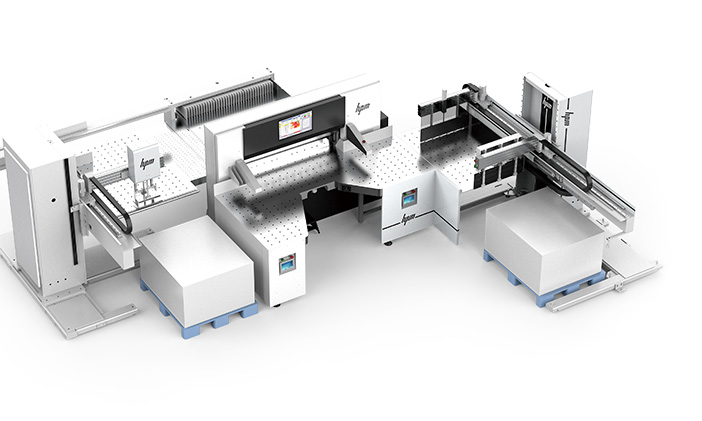
For a comprehensive checklist tailored to paper cutting lines, see our guide on how to choose a paper cutting line.
Common Procurement Mistakes and How to Avoid Them
Based on field observations, buyers often overlook these pitfalls:
- Focusing only on purchase price: A lower-cost air turner may require a dedicated air compressor upgrade, negating savings. Always calculate TCO including utility and maintenance costs over 5 years.
- Ignoring operator training: Hydraulic systems require knowledge of pressure settings and oil quality checks. Budget for training or choose air systems if your team is less experienced.
- Overlooking safety standards: Ensure the turner meets your local safety codes for pinch points and energy isolation. For hydraulic units, ask about fire-resistant fluids if operating near ignition sources.
- Not planning for future growth: If your production volume is expected to increase, a heavier-duty hydraulic turner may be more future-proof than a maxed-out air model.
Frequently Asked Questions
- Which pile turner technology is more energy-efficient?
- It depends on your plant infrastructure. Hydraulic pumps consume about 5-10 kW continuously, while air compressors have variable power draw. For lines with multiple pneumatic devices, central air can be more efficient. Conduct a site-specific energy audit.
- Can an air alignment turner handle heavy paperboard stacks?
- Yes, up to approximately 1.5–2 tons depending on cylinder size and air pressure (typically 6–8 bar). For heavier stacks, hydraulic is recommended for consistent torque and safety margin.
- What is the typical lifespan of a hydraulic vs. air pile turner?
- With proper maintenance, both can last 10–15 years. Hydraulic systems may require a major overhaul (seal replacement, pump rebuild) around year 8, while air systems may need valve replacement earlier but at lower cost.
- Do hydraulic systems leak, and is that a safety hazard?
- Modern hydraulic turners use advanced seals and minimal high-pressure hoses. Leaks are rare but can cause slip hazards. For sensitive environments, specify biodegradable hydraulic fluids or an air system.
- Should I retrofit my existing line or buy a complete new turner?
- Retrofitting is possible if your line has compatible controls and mounting points. However, a new integrated turner often delivers better performance and warranty. Consult with an engineering solutions provider for a feasibility study.
Conclusion
Choosing between hydraulic and air alignment pile turners is a strategic procurement decision that affects operational uptime, product quality, and maintenance costs. Hydraulic systems offer superior force and precision for heavy and sensitive paper piles, while air alignment turners provide faster cycles and lower initial investment for lighter duty applications. We recommend that procurement teams benchmark their specific pile weights, cycle speeds, and plant utilities before issuing an RFP. Validate supplier claims with performance data and consider a trial run with your own materials. For a deeper analysis of broader paper cutting line components, review our paper cutting machine product range and efficiency solutions.