
 English
 Français
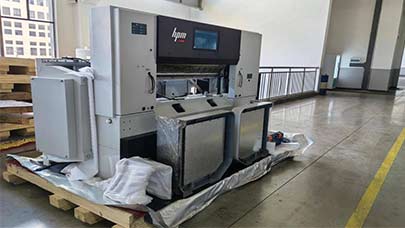
Article Overview: Upgrading packaging machinery is a significant capital decision. This guide outlines three essential milestones—automation readiness, system integration, and production capacity alignment—that technical and procurement teams should evaluate before committing funds. Each milestone is explained with practical context, decision criteria, and implementation implications, helping buyers build a structured justification for their next investment.
What Are the Core Drivers for Packaging Machinery Upgrades?
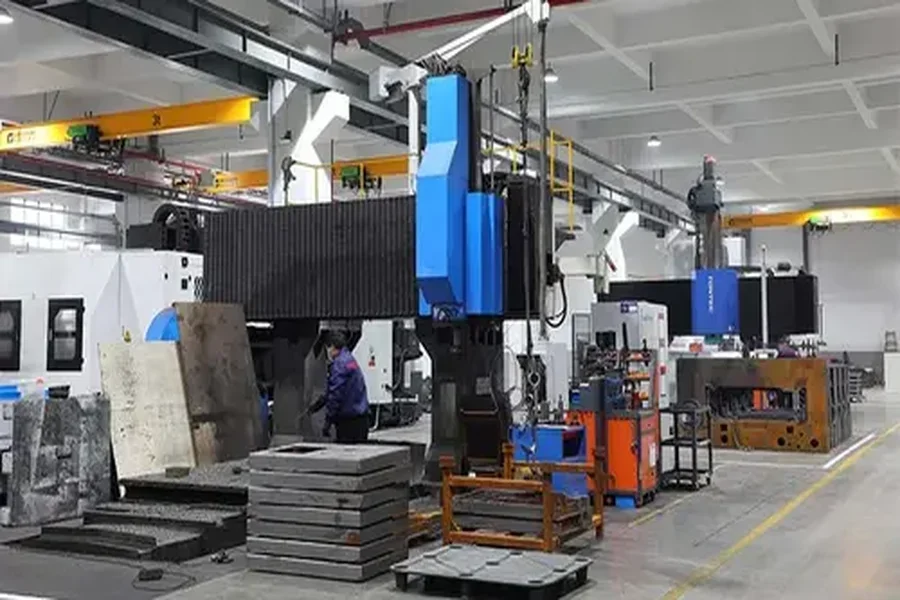
Industrial packaging lines face increasing pressure to improve throughput, reduce waste, and adapt to variable product formats. The decision to upgrade packaging machinery often arises from a combination of factors: aging equipment with high downtime, demand for faster changeovers, stricter quality requirements, or a shift toward integrated production flows. Early-stage research should focus not on specific vendors, but on mapping current operational bottlenecks against possible technology solutions.
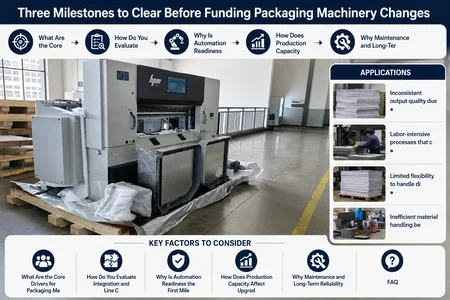
Common drivers include:
- Inconsistent output quality due to mechanical wear or manual adjustments.
- Labor-intensive processes that could be automated with servo-controlled systems.
- Limited flexibility to handle different package sizes or materials.
- Inefficient material handling between stations, such as palletizing or feeding.
Understanding these drivers helps frame the technical requirements that will guide equipment selection. For example, a packaging line that frequently stops for manual stack alignment may benefit from an automatic pile turner with touch-screen control, like the 130/150/170 Air Alignment Pile Turner offered by some manufacturers. The key is to quantify the current cost of each bottleneck before exploring alternatives.
How Do You Evaluate Integration and Line Compatibility?
Modern packaging machinery is rarely a single standalone unit; it must fit into an existing material flow. Integration compatibility is often underestimated during early planning. Buyers should assess how new equipment will interface with upstream and downstream processes—such as unwinding, printing, slitting, or palletizing.
A few practical checkpoints:
- Physical footprint and layout constraints.
- Communication protocols (e.g., Ethernet/IP, Profinet) for supervisory control.
- Mechanical interfaces like conveyor heights, widths, and clamp systems.
- Power and compressed air requirements.
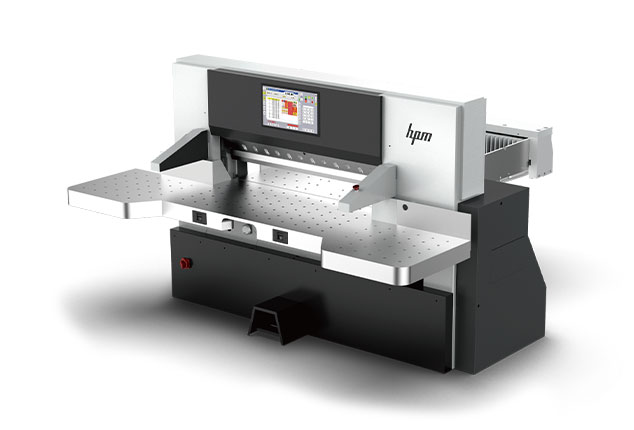
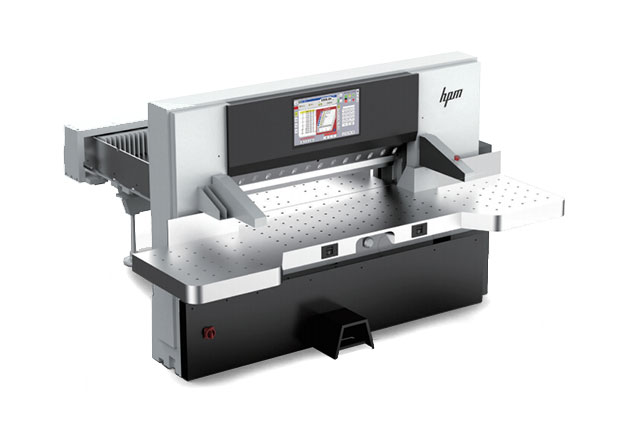
Many packaging lines rely on semi-automatic transfer points. Upgrading to an integrated system may require replacing not just one machine but also the handling equipment between stations. For instance, replacing a manual paper stack unloader with an intelligent servo-driven model—such as the 1050-1650 Intelligent Servo System Paper Stack Unloader from high-speed paper cutters—can reduce cycle times and improve alignment. However, the new unloader must match the cutter’s infeed geometry.
To support integration planning, reviewing a manufacturer’s product portfolio can reveal which components are designed to work together. A modular approach, where each machine shares a common control platform, often simplifies integration and future expansion.
Why Is Automation Readiness the First Milestone?
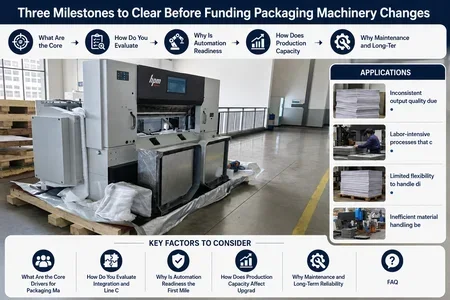
Automation is frequently cited as the top benefit of packaging machinery upgrades, but its value depends on the existing level of manual intervention. The first milestone is to assess whether the line can accept automation without extensive re-engineering. This involves examining:
- Sensor and actuator compatibility.
- Availability of standardized interfaces for data collection.
- Operator skill levels and training requirements.
- Potential to implement automatic tension control for web-fed processes.
Automatic tension control is a technology that maintains consistent material tension during unwinding, printing, or slitting, reducing waste and improving print registration. It is particularly relevant for packaging lines that handle flexible films or paper rolls. When planning upgrades, buyers should confirm that tension sensors and controllers can be retrofitted or are built into new machinery.
A concrete example: a packaging line that currently relies on manual brake systems for roll tension might upgrade to a closed-loop servo system. This change can improve material utilization by 2–5%, according to industry reports, though exact figures depend on material type and line speed. The key takeaway is that automation should be validated against actual production data, not assumed benefits.
How Does Production Capacity Affect Upgrade Decisions?
Production capacity is the second milestone. Upgrading a single machine may increase its speed, but if downstream stations cannot keep up or upstream supply is inconsistent, overall line throughput may not improve. Buyers need to analyze the entire line’s capacity profile, often using tools like OEE (Overall Equipment Effectiveness) or line balancing studies.
When evaluating new packaging machinery, ask:
- What is the nominal speed rating, and under what conditions (material, length, setup)?
- Is the machine designed for continuous operation or batch runs?
- How does it handle changeovers between product types?
- Does the vendor provide capacity simulation or documentation for different scenarios?
Manufacturing organizations often share their production capacity details to help buyers align equipment specifications with realistic output targets. This information can serve as a benchmark when comparing different machine builders. Capacity considerations also influence floor space utilization and future scalability—an important factor for growing operations.
In one hypothetical scenario, a paper converting line operating at 80% OEE might see a 15% throughput gain by replacing a conventional cutter with a high-speed model that reduces non-productive time. However, the gain is only realized if the feeder and stacker can handle the increased rate. Therefore, capacity must be evaluated as a system parameter, not a machine specification alone.
Why Maintenance and Long-Term Reliability Matter
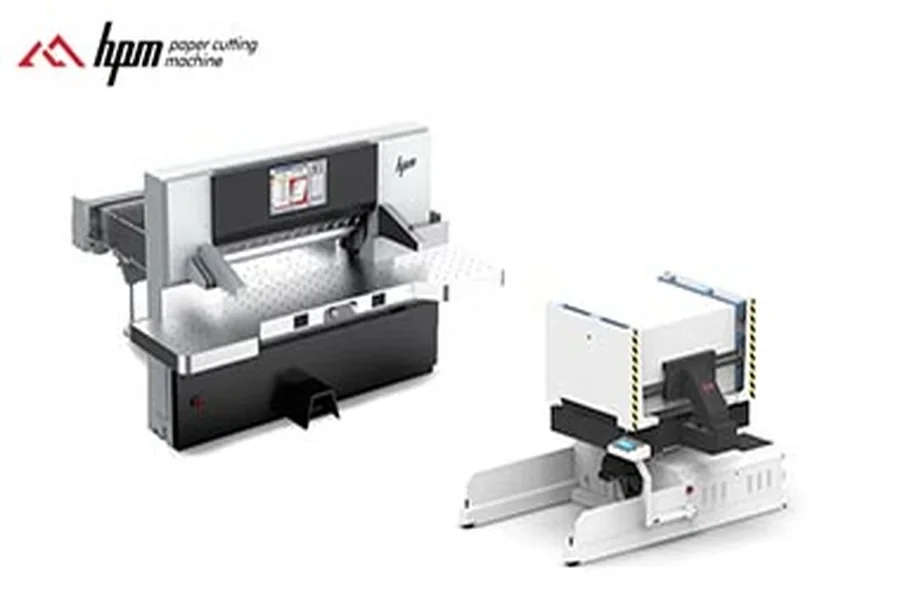
The third milestone is maintenance strategy. Packaging machinery that appears cost-effective upfront may have high total cost of ownership due to frequent maintenance intervals, expensive spare parts, or complex service requirements. Researching a vendor’s service offerings and parts availability is essential.
Consider:
- Recommended preventive maintenance schedules.
- Availability of local service technicians or remote diagnostics.
- Mean time between failures (MTBF) and mean time to repair (MTTR) data.
- Warranty terms and support contract options.
Manufacturers that invest in technology innovation often design machines with modular components that simplify repairs. Additionally, a vendor’s service and maintenance infrastructure can significantly influence uptime. For example, a packaging line with a dedicated maintenance contract may achieve 95% availability versus 85% for a line relying on reactive repairs.
Documentation is also critical. Ask for full manuals, electrical schematics, and spare parts lists before purchase. Some suppliers provide certificates of compliance with industry standards, which can reassure buyers about build quality.
FAQ
What is the typical ROI timeframe for packaging machinery upgrades?
ROI depends on the scope of the upgrade and the productivity gains achieved. For incremental automation projects (e.g., installing a stacker), payback periods of 12–18 months are common. For full line integration, 2–3 years is realistic, but you should model your own labor, material, and throughput data.
Should I buy from an OEM or a system integrator?
OEMs typically offer dedicated machinery with optimized performance for their own components, while system integrators can combine equipment from multiple vendors. For a single machine upgrade, an OEM is often simpler. For multi-station lines, an integrator may provide better compatibility. Always request references for similar projects.
What are the most important metrics to track during early evaluation?
Focus on OEE components: availability, performance, and quality. Also track changeover time, waste percentage, and mean time between unscheduled stops. These metrics will help quantify the benefit of any proposed upgrade.
How does automatic tension control improve packaging line performance?
Automatic tension control maintains consistent material tension across speed changes, reducing wrinkles, misregistration, and breakage. It is especially beneficial for flexible packaging materials like films and laminates. Implementation requires tension sensors and a controller that adjusts brakes or drives in real time.
Conclusion
Funding packaging machinery changes is a high-stakes decision that requires a structured approach. By clearing three milestones—automation readiness, integration compatibility, and capacity alignment—technical buyers can reduce risk and build a stronger business case. These milestones shift the focus from isolated machine specifications to overall line performance, which is where real returns are generated.
Early-stage research should emphasize evidence: current downtime data, throughput records, and vendor documentation. A neutral, evidence-led evaluation prevents costly overruns and ensures that the chosen solution fits both current operations and future growth. For more detailed information on equipment capabilities and manufacturing standards, explore relevant paper cutting machine models or contact your chosen supplier’s engineering team.