
 English
 Français
Article Overview: This guide explains the core types of packaging machinery, how automation is transforming production lines, and what technical buyers should consider when evaluating systems. It is intended for early-stage research and provides a neutral, evidence-led foundation before comparing specific suppliers or making purchase decisions.
What Is Packaging Machinery and How Does It Fit Into Production Lines?
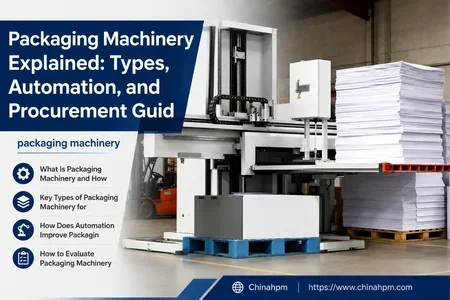
Packaging machinery encompasses a broad category of equipment used to wrap, seal, form, fill, label, and prepare products for storage or shipment. In industrial paper and print converting—such as the cutting, stacking, and handling of paper sheets—packaging machinery includes pile turners, paper loaders and unloaders, cutting lines, and wrapping systems. These machines are integrated into a production line to move work-in-progress efficiently from one process stage to the next, reducing manual handling and improving throughput consistency.
For procurement and engineering leaders, understanding how each machine type fits into the overall workflow is critical. A typical paper converting line starts with a paper stack that enters a cutting machine, then moves through alignment, turning, and unloading stages before final packaging. Each stage requires specific machinery designed to handle the material dimensions, weight, and speed demands of the line.
Key Types of Packaging Machinery for Paper and Print Converting
Based on the equipment commonly found in packaging lines, the following machines form the backbone of modern paper converting operations:
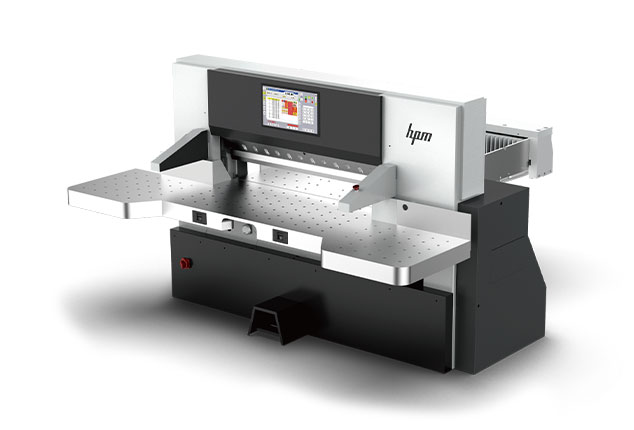
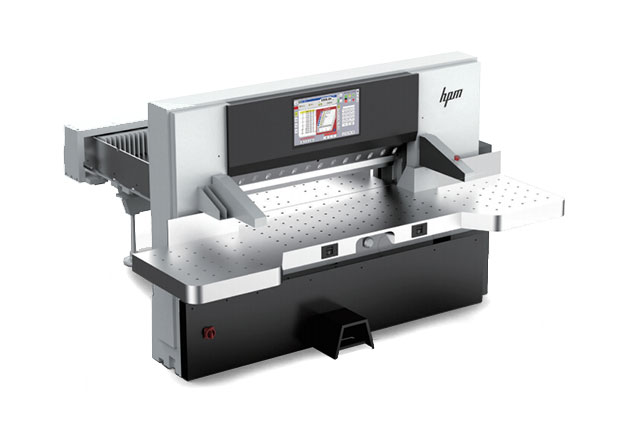
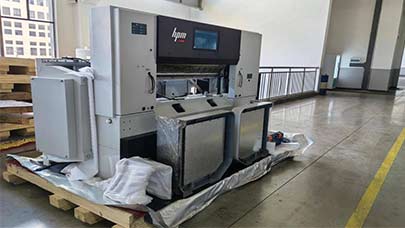
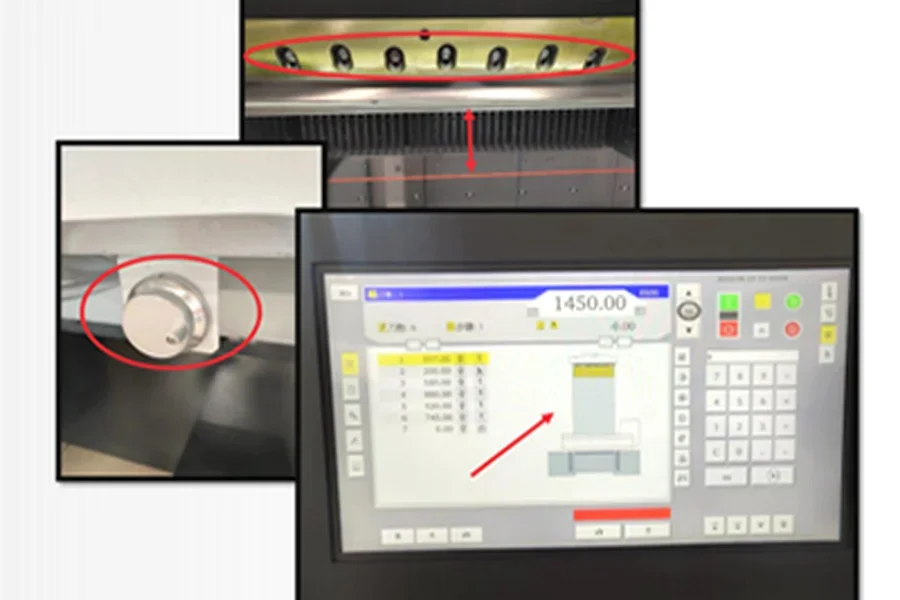
- Paper Cutting Machines – High-speed programmable cutters that process large stacks of paper into finished sheets. Examples include the HPM S22 and S19 series, which offer touch-screen interfaces and double hydraulic systems for precision.
- Pile Turners – Used to aerate, align, and turn paper stacks. Air alignment pile turners (e.g., the 130/150/170 series) use a touch screen for control and reduce preparation time before cutting.
- Paper Loaders and Unloaders – Automated systems that feed paper into the cutter and retrieve finished stacks. Intelligent servo-driven unloaders (e.g., the 1050-1650 series) operate at high speed and integrate with the cutter's output.
- Auxiliary Equipment – Including alignment tables, conveyors, and wrapping stations that support the main cutting and turning functions.
Each machine type varies in capacity, level of automation, and compatibility with existing line configurations. Buyers should match machine specifications to their typical production volume and sheet size range.
How Does Automation Improve Packaging Machinery Performance?
Automation in packaging machinery goes beyond simply replacing manual labor. Modern packaging lines incorporate intelligent control systems, servo motors, and real-time diagnostics to achieve consistent quality, reduced waste, and higher uptime. For example, an intelligent servo system on a paper stack unloader can adjust speed and position automatically based on downstream demand, minimizing bottlenecks.
Key automation features identified across current machinery include:
- Programmable Logic Controllers (PLCs) – Allow operators to store multiple job recipes and switch between formats quickly.
- Touch-Screen Human-Machine Interfaces (HMIs) – Provide intuitive control over alignment, cutting dimensions, and stacking patterns.
- Servo-Driven Motion – Enables precise speed and position control, reducing mechanical wear and improving repeatability.
- Air Alignment Systems – Use air jets to float and align paper stacks before cutting, reducing edge damage and setup time.
Engineering managers evaluating automation should consider how easily the machinery integrates with existing MES or ERP systems. Data from sensors and controllers can support predictive maintenance and production analytics, which are increasingly important for lean operations.
How to Evaluate Packaging Machinery for Your Line?
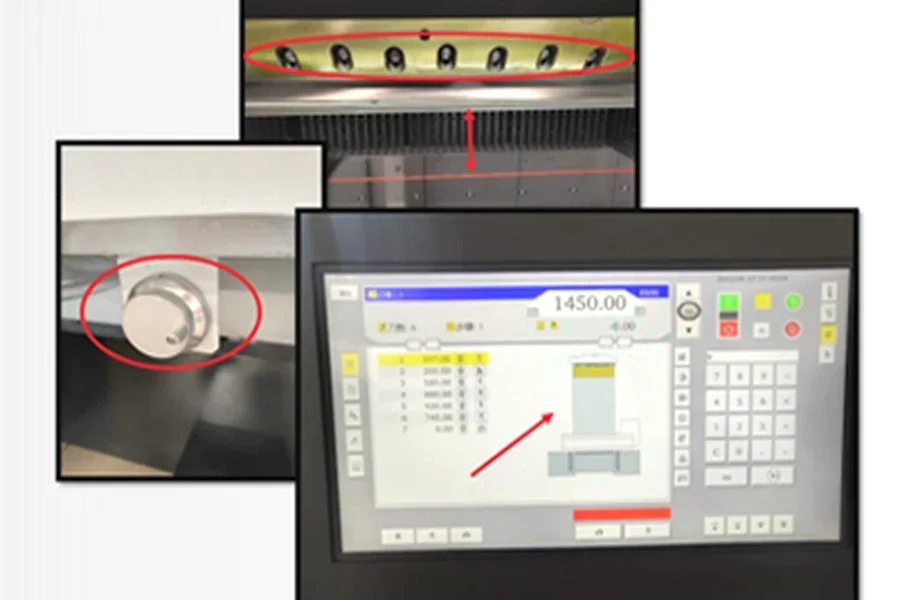
Selecting packaging machinery involves balancing initial investment with long-term operational efficiency. The following criteria provide a structured approach for technical buyers:
- Production Capacity – Match rated speed and output volume to your actual production throughput. A machine that runs faster than needed may incur unnecessary cost, while an under-sized machine creates bottlenecks. Review production capacity figures from potential suppliers to ensure they align with your line's demands.
- Integration Complexity – Check whether the machinery can be linked to existing loaders, unloaders, and conveyors. Some suppliers offer complete line solutions that simplify integration.
- Maintenance Requirements – Evaluate access to spare parts, expected service intervals, and whether the supplier provides ongoing support. Preventive maintenance programs reduce unplanned downtime.
- Certifications and Compliance – Depending on your region and industry, certifications such as CE or UL may be required. Validate that the equipment meets applicable safety and electrical standards.
- Supplier Track Record – Investigate the supplier's experience in your specific application area. For paper converting lines, look for documented installations and solution case studies.
Once you have shortlisted candidates, request detailed specifications—such as cutting accuracy, energy consumption, and footprint—and compare them side by side. Field visits to operational installations can provide valuable insights beyond brochures.
Why Maintenance Matters for Packaging Machinery Longevity
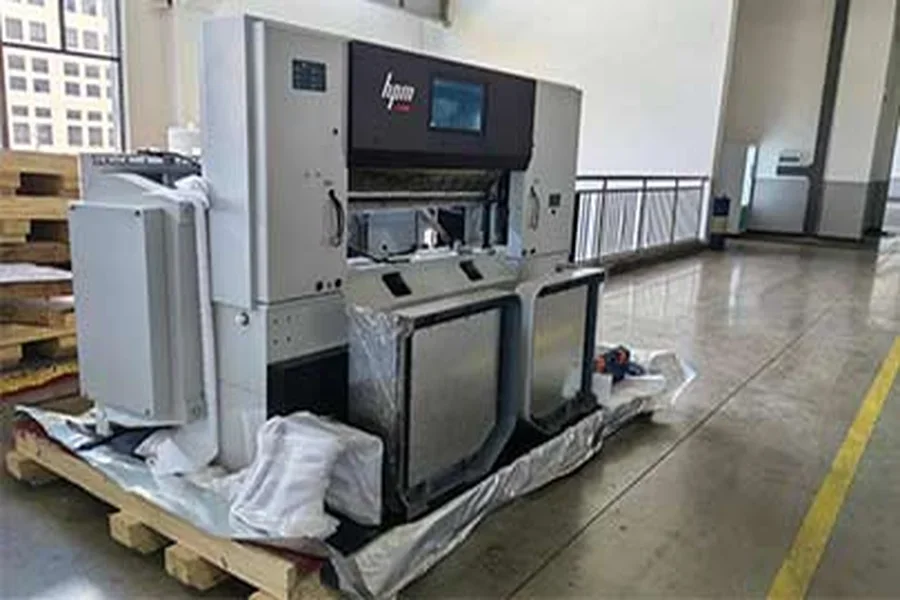
Maintenance is often overlooked during the initial procurement phase, but it directly affects total cost of ownership. Packaging machinery used in high-volume environments experiences wear on blades, hydraulic systems, sensors, and drive components. Scheduled maintenance—such as lubrication, alignment checks, and software updates—helps prevent sudden breakdowns.
For example, the maintenance intervals for a paper cutting line can be extended by using quality lubricants and following the manufacturer's guidelines. A detailed guide on paper cutting line maintenance intervals offers practical timelines for inspecting and servicing common components. Ignoring these intervals may lead to expensive repairs and production stops.
Operations leaders should factor in the cost of spare parts and the availability of local service technicians when comparing suppliers. Some OEMs offer remote diagnostics and predictive maintenance tools, which can further reduce downtime by alerting teams before a failure occurs.
FAQ
What is the difference between a pile turner and a paper loader?
A pile turner is designed to aerate, align, and rotate an entire paper stack before it enters a cutting machine. A paper loader, on the other hand, feeds individual stacks into the cutter from a pallet. Both are often used together in automated lines.
How do I calculate the production capacity needed for my packaging line?
First determine your peak daily output in sheets or stacks. Then factor in setup time, changeovers, and planned downtime. Machinery rated capacity should be at least 20% higher than your average requirement to allow for fluctuations. Consult the production capacity specifications from vendors to match your needs.
What automation level is appropriate for a mid-sized converting operation?
Mid-sized operations often benefit from a semi-automated line with programmable cutter, auto-loader, and air pile turner. Full automation with servo unloaders and robotic palletizing is typically justified when throughput exceeds 100 stacks per shift and labor costs are high.
How often should a paper cutting machine be serviced?
Lubrication and blade inspection are recommended every 200 operating hours or monthly, whichever comes first. Major hydraulic system checks should be performed every six months. Always follow the manufacturer's schedule provided in the service documentation.
Conclusion
Packaging machinery for paper and print converting covers a range of equipment from cutters and pile turners to loaders and unloaders. For engineering managers and procurement teams, the key to a successful investment is aligning machine capabilities with production requirements, considering automation levels that match operational goals, and planning for ongoing maintenance. By understanding the core types, automation benefits, and evaluation criteria—and by consulting supplier resources such as product pages and paper cutting machine specifications—buyers can build a line that delivers reliable performance and a strong return over its lifecycle.