
 English
 Français
Article Overview: This guide provides a structured walkthrough of the packaging machinery rollout process, from initial specification to full production ramp-up. It is written for technical buyers and operations leaders who need a neutral, evidence-based understanding of what a real rollout entails. We cover capacity planning, site preparation, installation, integration, and common pitfalls — using hypothetical examples to illustrate key points.
What Does a Packaging Machinery Rollout Involve?
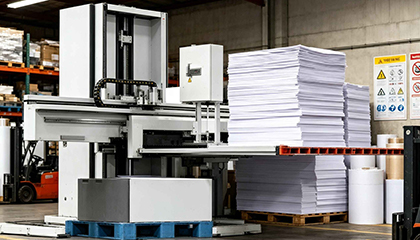
A packaging machinery rollout is a multi-phase project that transforms a line from concept to operation. The typical sequence includes:
- Needs assessment and equipment specification
- Site preparation (floor reinforcement, utility connections)
- Equipment delivery and positioning
- Mechanical and electrical installation
- Control system integration and line communication setup
- Sequential testing of individual units and the full line
- Operator training and documentation handover
- Production ramp-up with ongoing performance monitoring
Each phase has its own timeline and resource demands. A single-machine installation may take one to two weeks, while an integrated line with multiple units (unwinder, cutter, stacker, wrapper) can span four to eight weeks or more. The earlier decisions — layout design, capacity matching, and supplier selection — often have the greatest influence on success.
How Do You Plan for Capacity and Integration?

Production capacity is the most critical parameter linking machinery selection to business goals. Every machine has a rated throughput, but real-world output depends on setup time, batch sizes, and operator skill. When evaluating equipment, ask for capacity data under conditions similar to your own production. A supplier’s documented Production Capacity can provide baseline figures for comparison. However, you must also consider:
- Changeover speed: How quickly can the machine switch between different formats or substrates?
- Planned uptime: Factor in scheduled maintenance and typical downtime.
- Line balancing: Ensure all units have compatible throughput rates. For example, a high-speed cutter must be matched with a feeder that can keep up.
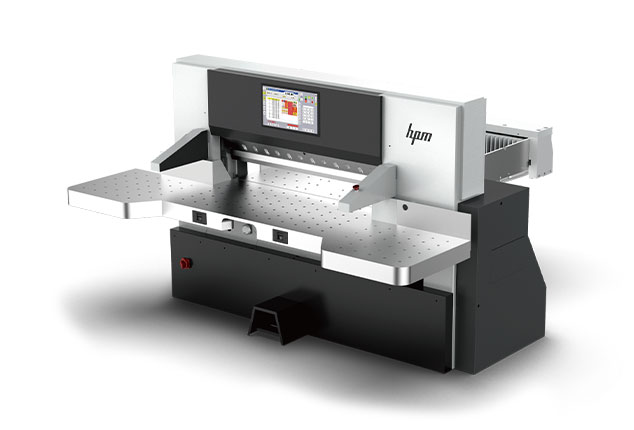
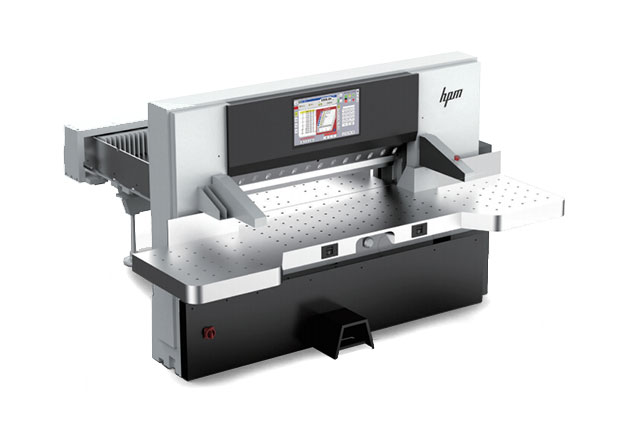
Integration problems often stem from early planning gaps. Before any equipment arrives, review floor space, utility requirements (electrical, compressed air, exhaust), and material flow paths. A simple layout drawing can reveal clearance issues or bottlenecks. Many suppliers offer pre-balanced line designs through Efficiency Solutions. For paper converting lines, specific machines like the Paper Cutting Machine may require precise power and footprint specifications.
Comparison: Single Machine vs. Integrated Line Rollout
| Aspect | Single Machine Installation | Integrated Line Rollout |
|---|---|---|
| Typical duration | 1–3 weeks | 4–8+ weeks |
| Site preparation complexity | Low to moderate | High (multiple utility points, floor loading) |
| Integration testing | Minimal (standalone unit) | Extensive (upstream/downstream coordination) |
| Changeover impact | Low | Requires line-wide synchronization |
| Operator training needs | Basic | Cross-trained for multiple stations |
| Cost of delay | Moderate | High (entire line idle) |
Use this table as a starting point. Actual numbers vary by configuration — validate against your specific equipment specifications.
What Are Common Implementation Pitfalls to Avoid?
Even with careful planning, certain issues recur frequently. Being aware of them can save time and money:
- Underestimating installation time: Site work, crane hiring, and electrical connections often take longer than quoted. Always add a buffer.
- Ignoring spare parts lead times: Custom components can have long delivery windows. Stock critical spares before commissioning.
- Neglecting material testing: Production conditions may differ from the supplier’s test environment. Run trial batches with your actual materials.
- Skipping structured operator training: Modern touch-screen interfaces are intuitive, but formal training reduces wear and safety incidents.
- Overlooking after-sales support: Confirm the supplier’s service coverage, response times, and availability of remote diagnostics. Check Certificates for quality and safety standards relevant to your region.
These pitfalls apply across the industry. A neutral, evidence-based approach — reviewing past installations or speaking with reference customers — can help you anticipate them. For more on service options, see the Service offerings.
How to Ensure a Smooth Ramp-Up to Full Production
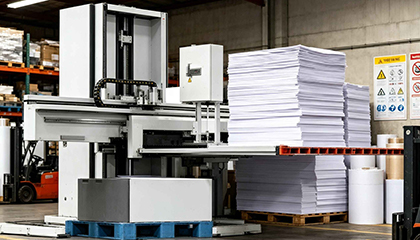
The rollout does not end at commissioning. The ramp-up phase is where theoretical capacity meets real-world operation. Key success factors include:
- Phased startup: Begin at low speed, gradually increasing as the line stabilizes.
- Performance monitoring: Track throughput, waste, and downtime from day one. Use this data to fine-tune settings.
- Continuous training: Reinforce operator skills and encourage feedback. Many suppliers offer Support packages with on-site coaching.
If the line includes advanced automation, such as servo-driven stackers or intelligent feeding systems, integrate them stepwise. For example, a Paper Unloader can be tested in standalone mode before linking to the cutter. This reduces risk and identifies issues early. Explore Auxiliary Equipment options to complement your line.
FAQ
How long does a typical packaging machinery rollout take?
For a single machine like a paper cutter, installation and commissioning may take one to three weeks. For an integrated line involving multiple units (unwinder, pile turner, cutter, stacker), the rollout can span four to eight weeks depending on site readiness and complexity.
What is the most common cause of delays in machinery rollout?
The most frequent cause is incomplete site preparation — especially electrical and compressed air utilities that do not meet machine specifications. Another common delay is waiting for custom interfacing components that were not identified during the planning phase.
Do I need to shut down my existing line during installation?
Usually, yes. Installation may require blocking aisles, using cranes, and connecting utilities. However, some work can be done during scheduled maintenance windows. Discuss a phased installation approach with your supplier to minimize downtime.
How can I ensure my chosen packaging machinery will fit into my current workflow?
Start with a detailed layout drawing that includes machine dimensions, service access zones, and material flow paths. Share this with the machinery supplier early so they can confirm fit and recommend adjustments. Visiting a similar installation or requesting a mockup can also help. Supplier design approaches that facilitate integration are often highlighted on the Technology Innovation page.
Conclusion
A packaging machinery rollout is a structured process that rewards thorough planning. By focusing on capacity alignment, early integration checks, and realistic timelines, technical buyers and operations leaders can achieve a smoother transition from specification to full production. Use the checklists and comparison table in this guide to build your own rollout plan. Remember that the supplier’s production capacity and support infrastructure are just as important as the machine’s technical specifications. For detailed capacity data, review the Production Capacity page, and explore Auxiliary Equipment options to complement your line.