
 English
 Français
Article Overview: This article provides procurement managers and sourcing teams with a practical, risk-aware checklist for evaluating packaging machinery suppliers. It covers RFQ preparation, production capacity assessment, technical validation, after-sales support, and total cost of ownership comparison — helping you make informed purchase decisions and avoid common supplier fit mistakes.
How to Prepare an Effective RFQ for Packaging Machinery?
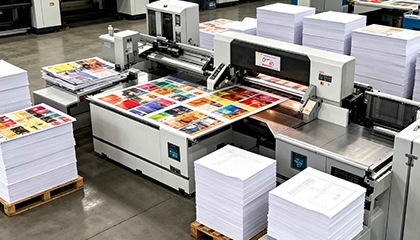
When issuing a request for quotation (RFQ) for packaging machinery, specificity is critical. Generic RFQs often lead to mismatched proposals that waste evaluation time. To ensure you receive comparable bids, structure your RFQ around these key dimensions:
- Line Speed and Throughput: Specify required output per minute or hour, and whether the line runs single or multiple SKUs.
- Material Specifications: Include substrate types, dimensions, weight ranges, and any special coatings or finishes.
- Automation Level: Define desired integration with upstream/downstream equipment, PLC brand preferences, and data connectivity needs.
- Utility and Installation Requirements: Outline power, compressed air, exhaust, and floor space constraints.
- Compliance and Certification Needs: Mention required safety standards (CE, UL, CSA) or industry-specific certifications (ATEX for explosive environments, IP ratings for washdown).
By providing these details, you enable suppliers to propose solutions that match your operational reality. For example, a packaging line for fragile electronics may require gentle handling features, while a high-volume paper converting plant will prioritize servo-driven cutters and stackers. The more precision you put into the RFQ, the fewer clarifying rounds you will need later.
Evaluating Supplier Production Capacity and Lead Times
One of the most common procurement mistakes is underestimating the supplier’s ability to deliver on schedule. Production capacity directly impacts lead times, scalability, and your project timeline. When shortlisting, ask these questions:
- What is the supplier’s monthly output for the machinery category you need? Request recent order volumes and typical delivery periods.
- How flexible is their manufacturing floor? Can they scale up if your demand grows, or are they operating near full capacity already?
- What is their inventory policy for critical components? Long-lead items like servo motors or custom controllers can delay delivery.
To better understand a supplier’s manufacturing capabilities, examine their production capacity documentation. Look for evidence of dedicated production lines, quality control checkpoints, and buffer stocks. A supplier that publishes capacity in units per shift or square meters of floor space demonstrates transparency. Also review their technology roadmap to gauge long-term scalability. Always validate lead time promises against past project references.
Consider visiting the factory — either in person or via a virtual tour — to inspect the production process. A well-organized shop floor with lean practices often indicates reliable delivery and consistent quality.
What Technical Criteria Actually Matter for Packaging Machinery?
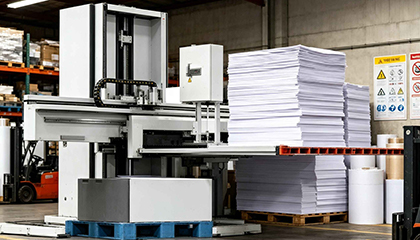
Beyond basic specifications, you need to validate how a packaging machine will perform in your specific environment. Focus on these technical aspects during supplier evaluation:
- Control System Compatibility: Confirm the PLC and HMI are from a brand your maintenance team is familiar with. Proprietary controllers may limit future upgrades.
- Servo vs. Pneumatic Actuation: Compare precision, energy efficiency, and maintenance requirements.
- Changeover Time: For multi-product lines, quick changeover tooling and recipe storage can drastically reduce downtime.
- Safety Architecture: Verify that the machine meets your local safety regulations, including guarding, emergency stops, and light curtains. Ask for a risk assessment document. Check certifications and compliance evidence for relevant standards.
- Data Collection and Integration: If you plan to connect to a manufacturing execution system (MES), ensure the machine supports OPC-UA or similar protocols.
The table below outlines the typical tradeoffs between servo-driven and pneumatic actuation systems for packaging machinery.
| Option A – Servo-Driven Actuation | Option B – Pneumatic Actuation |
|---|---|
| Higher precision (position repeatability ±0.1 mm) | Lower precision (±1–2 mm typical) |
| Energy consumption: 30–50% less than pneumatic (electric only) | Energy consumption: higher due to compressed air generation and leakage |
| Maintenance: Lubricate bearings, replace input/output modules every 3–5 years | Maintenance: Replace seals, cylinders every 1–2 years; check air dryers |
| Initial investment: 20–40% higher | Initial investment: lower |
| Best for high-speed, multi-axis, or repeatable processes | Best for simple pick-and-place or tote handling |
Validate any performance claims with reference installations and runtime data.
Assessing After-Sales Support and Spare Parts Availability

Packaging machinery is a long-term investment; after-sales support can make or break the equipment’s return on investment. During the shortlisting process, evaluate each supplier’s after-sales service infrastructure. Consider:
- Warranty Terms: What does the warranty cover? How long is it, and are on-site repairs included?
- Spare Parts Logistics: Where are the warehouses located? What is the average lead time for critical spares?
- Technical Support: Is support available 24/7? What languages are supported?
- Training Programs: Does the supplier offer operator and maintenance training, either on-site or remotely?
Suppliers with dedicated after-sales teams and localized spare parts depots can help you avoid prolonged downtime. A well-maintained machine retains more value over its lifecycle.
Comparing Total Cost of Ownership Across Suppliers
The purchase price is only one element of the total cost of ownership (TCO). A slightly more expensive machine may offer significantly lower operating costs if it consumes less energy, requires fewer operators, or has a longer service interval. When comparing bids, consider:
- Energy Consumption: Request kWh per production unit or annual energy cost estimates.
- Maintenance Costs: Ask for a schedule of planned maintenance and typical costs for consumables.
- Machine Lifespan: A more robust construction (e.g., heavier steel frames, industrial-grade bearings) can extend useful life by years.
- Resale Value: Some brands retain higher residual value due to market reputation.
To make an apples-to-apples comparison, create a TCO spreadsheet with columns for initial cost, installation, energy, maintenance, and projected lifespan. Use the supplier’s data, but also cross-check with independent references. A supplier’s product catalog may list technical details that affect TCO, such as motor efficiency ratings or recommended maintenance intervals. Additionally, explore efficiency solutions designed for lower operating costs to identify machines suited for your production profile.
FAQ
How many suppliers should I include in my RFQ process?
Typically, three to five qualified suppliers provide sufficient competition without overwhelming your evaluation team. Ensure each supplier meets your minimum technical and financial criteria before sending the RFQ.
What is the most common mistake in supplier shortlisting?
Overemphasizing price while underestimating production capacity and after-sales support. A low initial quote often leads to higher long-term costs due to downtime and slow service response.
Should I request a sample run or factory acceptance test before purchase?
Yes. A sample run using your materials confirms the machine meets quality and throughput requirements. A factory acceptance test (FAT) at the supplier’s site allows you to identify issues before shipment.
How important are third-party certifications for packaging machinery?
Certifications like CE or UL are mandatory for many regions and demonstrate compliance with safety and performance standards. They also reduce your liability. Always verify that certifications cover the specific machine model you are buying.
Conclusion
Shortlisting packaging machinery suppliers requires a structured approach that goes beyond comparing price lists. By preparing a detailed RFQ, assessing production capacity, validating technical criteria, evaluating after-sales support, and calculating total cost of ownership, you can select a supplier that aligns with your operational needs and risk tolerance. Use this checklist as a starting point, and adapt it to your company’s specific purchasing policies and project goals. For further guidance, review a supplier’s production capacity documentation to verify scalability and explore sustainability initiatives that may align with your environmental objectives. Always validate claims through factory visits or independent references before committing to a purchase.