
 English
 Français
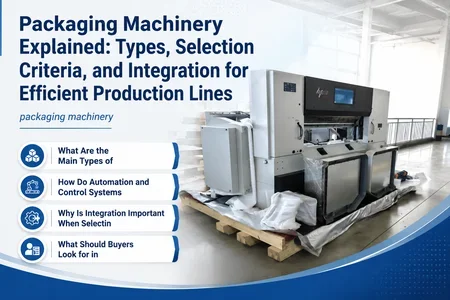
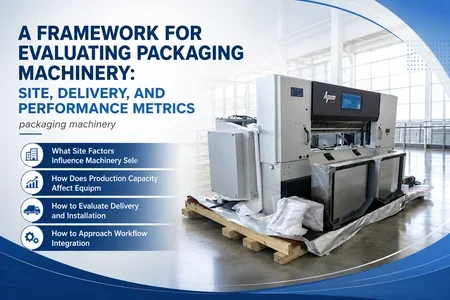
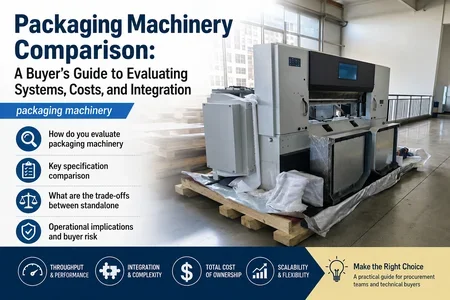
Article Overview: This article provides a plain-language introduction to packaging machinery, covering the main equipment categories, the role of automation, key factors for procurement teams, and practical integration considerations. It is written for technical buyers and operations leaders who need to build foundational knowledge before comparing specific systems or suppliers.
What Are the Main Types of Packaging Machinery?
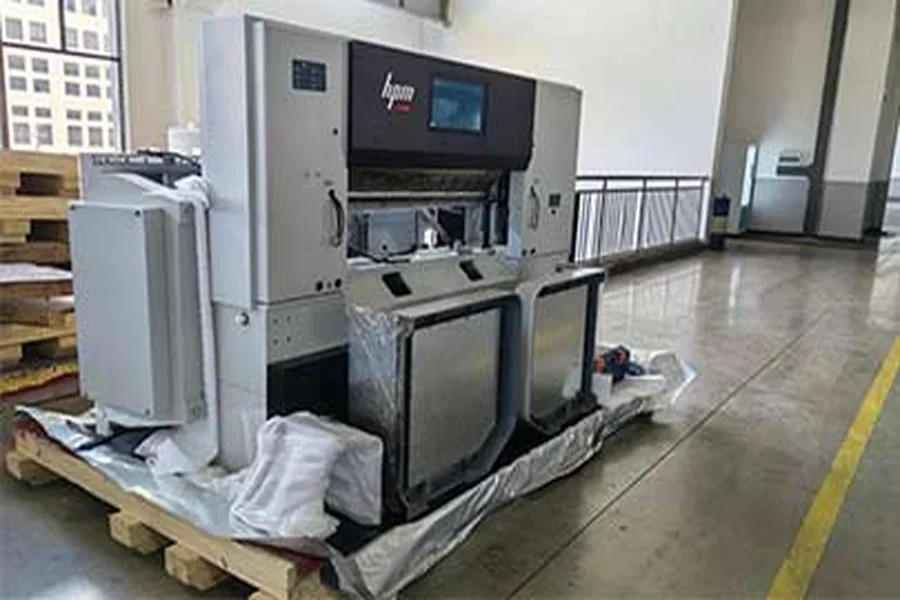
Packaging machinery encompasses a wide range of equipment used to handle, form, fill, seal, and prepare products for distribution. In paper and print conversion, common machine types include slitters (for cutting large rolls into narrower widths), rewinders (for rewinding rolls after slitting), and pile turners (for aligning and aerating paper stacks). Auxiliary equipment such as loaders, unloaders, and conveyors complete the line.
Key categories of packaging machinery include:
- Converting equipment – e.g., slitters, rewinders, and laminators that transform raw rolls into finished products.
- Cutting and stacking systems – e.g., paper cutters (also known as guillotine cutters) and pile turners used in finishing operations.
- Filling and sealing machines – for liquid, powder, or solid products in pouches, bottles, or cartons.
- Wrapping and bundling systems – for outer packaging such as shrink wrap, stretch film, or corrugated boxes.
Each type serves a specific step in the packaging workflow, and many modern lines integrate multiple machines through material handling systems and centralized controls.
How Do Automation and Control Systems Affect Packaging Line Performance?
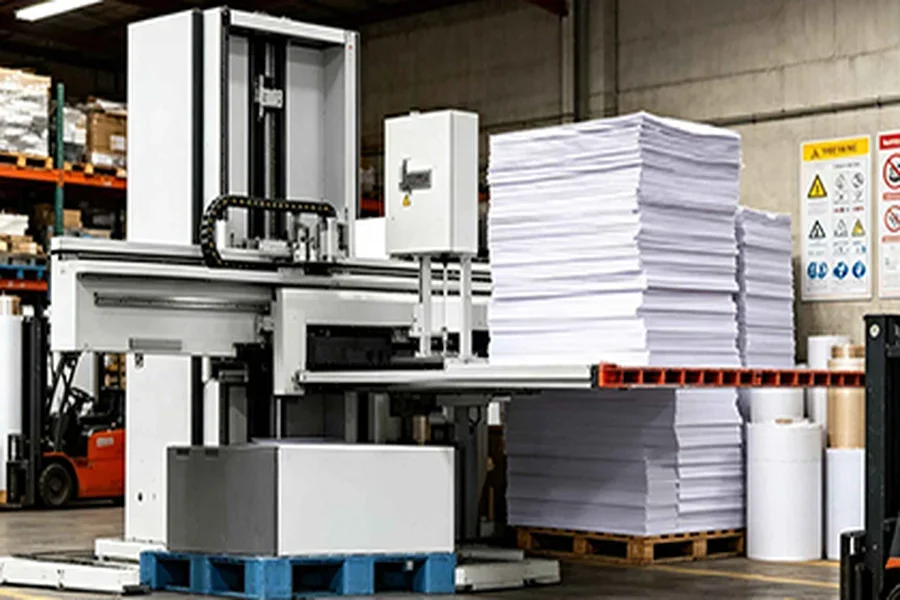
Automation in packaging machinery has moved beyond simple relay logic to include servo-driven motion control, programmable logic controllers (PLCs), and human-machine interfaces (HMIs). These technologies allow for precise adjustment of speed, tension, and alignment, reducing scrap and changeover times. For example, an intelligent servo system on a paper-stack unloader can automatically handle various sheet sizes without manual recalibration, improving throughput in high-speed cutting lines.
Key benefits of automation include:
- Reduced operator intervention and training requirements.
- Consistent quality across shifts.
- Faster job changes through recipe-based setups.
- Real-time monitoring and data collection for predictive maintenance.
For engineering managers evaluating automation, it is important to assess the existing line's control architecture and determine whether retrofitting or a full upgrade offers the better return on investment. The Production Capacity of the facility may constrain or enable certain automation choices.
Why Is Integration Important When Selecting Packaging Machinery?
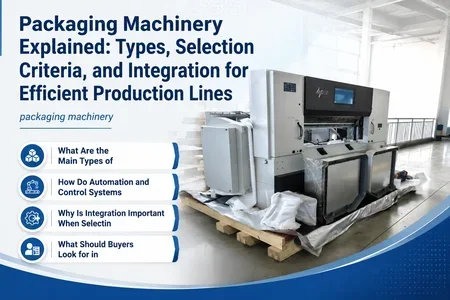
Standalone machines can deliver efficiency gains, but the real value comes from how they work together as a system. Integration includes mechanical interfaces (conveyor heights, infeed/outfeed orientations), electrical compatibility (voltage, communication protocols), and software connectivity (MES/ERP integration). Buyers should consider the entire material flow from raw stock to finished pallet rather than optimizing a single work cell in isolation.
Common integration challenges include:
- Mismatched throughput rates between machines, leading to bottlenecks.
- Inconsistent dimensional tolerances from different suppliers.
- Proprietary control systems that limit future expansion or data collection.
Requesting detailed interface specifications during the RFQ phase and conducting a site layout review can mitigate these risks. Some manufacturers offer line-level engineering support to assist with integration, which can be specified as part of the procurement contract.
What Should Buyers Look for in a Packaging Machinery Supplier?
When evaluating suppliers, technical buyers often prioritize:
- Certifications and compliance – such as CE, UL, or ATEX for explosive environments.
- Build quality and component sourcing – e.g., use of premium servo drives, linear guides, and control components.
- After-sales support – availability of spare parts, remote diagnostics, and field service technicians.
- Proven reference installations – ideally in a similar industry with comparable throughput requirements.
It is also wise to visit the supplier's facility or obtain a virtual tour to observe manufacturing processes and quality control. For example, a supplier's production capacity can indicate their ability to deliver on time and support volume commitments.
Another factor is the range of machinery offered. A single-source supplier that provides multiple types of equipment—cutters, loaders, unloaders, pile turners—may simplify integration and reduce supply-chain complexity. You can explore the products page to see examples of a line portfolio. Additional support information is available in the support section.
How Does Packaging Machinery Fit into a Broader Production Line?
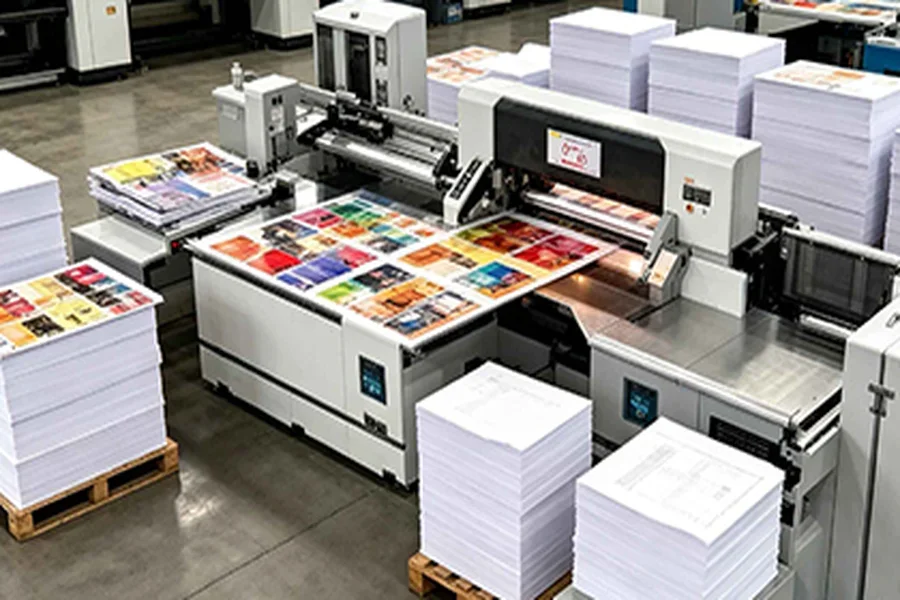
Packaging machinery rarely operates in isolation; it is typically preceded by converting or printing processes and followed by palletizing or warehousing. For paper and print businesses, typical upstream equipment includes paper cutters, which trim sheets to size before packaging. Paper cutting machines must be accurately matched in speed and capacity to the downstream packaging line. Similarly, material handling equipment such as paper loaders and paper unloaders automate the transfer between stages, reducing manual labor and increasing overall equipment effectiveness (OEE).
For operations leaders planning a new line or upgrading an existing one, it is advisable to conduct a line-balance study to ensure that every machine's rated speed, setup time, and reliability align with the target output. Consider also the space layout, utilities (compressed air, power, and dust extraction), and safety clearances. Reviewing the solution pages can provide insight into how different equipment combinations are configured for specific applications.
FAQ
What is the difference between a slitter and a rewinder?
A slitter cuts a wide roll of material (paper, film, foil) into narrower rolls, while a rewinder takes the slit strands and winds them onto separate cores. Many slitter-rewinder machines combine both functions in one unit.
How do I determine the throughput capacity I need?
Throughput is usually expressed in meters per minute or units per hour. Calculate your required output based on shift patterns, planned downtime, and future growth. Match the machine's nominal speed to at least 110–120% of your target to allow for efficiency losses.
What maintenance is typical for packaging machinery?
Daily tasks include cleaning sensors and checking air filters. Weekly tasks may involve lubricating bearings and inspecting belts. A formal planned maintenance schedule is recommended to avoid unplanned downtime. The maintenance page offers examples of service intervals.
Can existing machinery be retrofitted with automation?
Often yes, depending on the machine's mechanical condition and control system age. Retrofitting with modern servos and a PLC can extend life and improve performance at lower cost than full replacement. However, verify availability of documentation and spare parts before proceeding.
What certifications should packaging machinery have?
Common certifications include CE (Europe), UL (USA), and EAC (Eurasian). For specific environments, ATEX or IECEx may be required for explosive atmospheres. Check your local regulations and supply chain requirements. Visit the certificates page for examples of compliance documentation.
Conclusion
Packaging machinery is a broad category that requires careful analysis of types, automation levels, integration requirements, and supplier capabilities. For technical buyers and operations leaders, a structured approach—starting with understanding the core equipment, evaluating automation benefits, and planning for seamless line integration—will lead to more informed decisions and better long-term performance. By aligning machinery selection with actual production goals and facility constraints, organizations can achieve higher efficiency, lower total cost of ownership, and greater flexibility for future market demands.