
 English
 Français
Article Overview: This guide helps procurement managers and sourcing teams build a defensible shortlist of packaging machinery suppliers before issuing an RFQ. It covers technical validation, supplier capacity assessment, cost-risk tradeoffs, and practical checkpoints to reduce procurement mistakes. The goal is to equip decision-makers with a structured approach that improves supplier fit and implementation outcomes.
Why a Defensible Shortlist Matters for Procurement Teams

When sourcing packaging machinery, the difference between a smooth installation and costly delays often begins long before the purchase order. A defensible shortlist means you have documented rationale for each candidate, reducing the risk of selecting a supplier that cannot meet production requirements, delivery timelines, or service commitments.
Procurement teams that skip early validation frequently encounter specification mismatches, underestimated lead times, or hidden integration costs. By contrast, a shortlist built on clear criteria—technical fit, production capacity, and after-sales support—allows you to compare quotes on an apples-to-apples basis. It also strengthens your internal approval process, since each decision is backed by evidence rather than vendor claims.
What Technical Specifications Should You Validate Before Shortlisting?
Technical validation is the backbone of a defensible shortlist. Without it, you risk comparing equipment that is not directly comparable. Focus on the following areas:
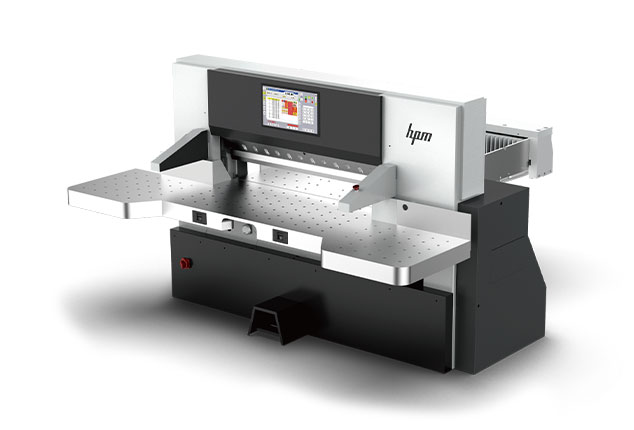
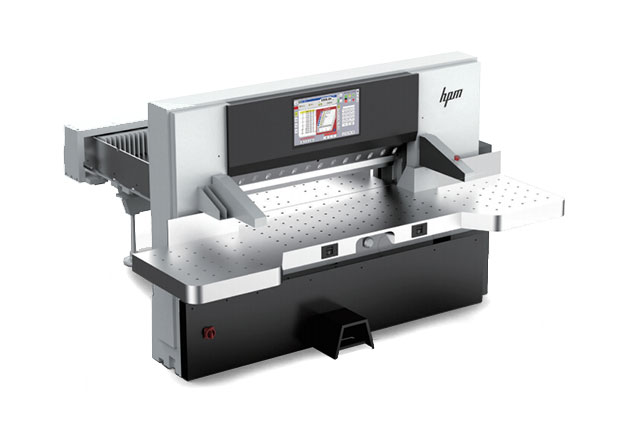
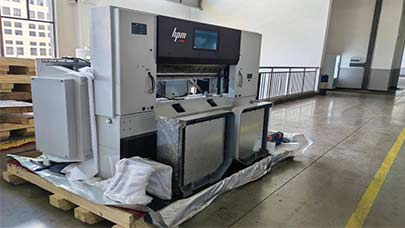
- Machine dimensions and cut capacity – Verify that the equipment can handle your substrate sizes and thickness. For example, paper cutting machines come in various cut heights and sheet dimensions; specify your maximum and minimum requirements.
- Automation level – Determine whether you need servo-driven systems, touch-screen controls, or integration with upstream/downstream equipment. A machine with programmable logic control may reduce setup time but requires trained operators.
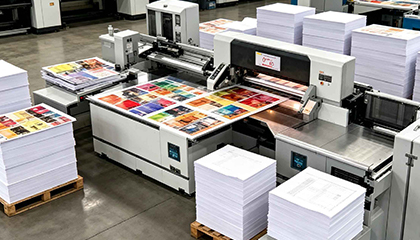
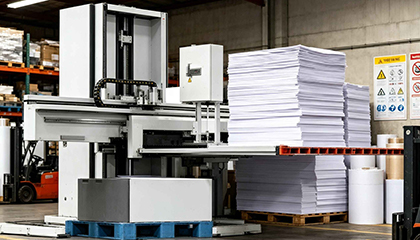
- Alignment and pile-handling features – If your process involves frequent paper stack changes, look for features like air alignment pile turners or intelligent unloaders that improve throughput. Efficient paper unloader solutions can provide insights into workflow efficiency.
- Speed and precision – Request documented throughput rates and accuracy tolerances under standard conditions. Be wary of theoretical maximums that may not hold in production.
- Energy consumption and compliance – Ask for power consumption data and certifications relevant to your region (e.g., CE, UL). Energy efficiency can significantly affect total cost of ownership. Check the supplier’s certificates to verify compliance.
Document all specifications in a matrix before sending the RFQ. This allows you to compare responses objectively and identify gaps where suppliers may be overstating capabilities.
How to Assess Supplier Production Capacity and Delivery Risk
A supplier's ability to manufacture and deliver your packaging machinery on schedule is a critical risk factor. Even well-designed machines are worthless if they arrive late or cannot be supported when issues arise. To evaluate this, consider the following:
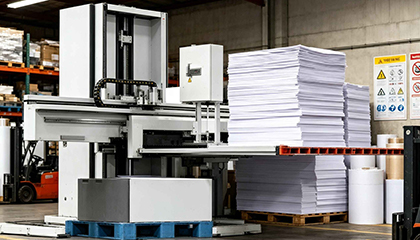
- Factory capacity and order pipeline – Request information on current lead times and the percentage of orders that ship on time. A supplier with a confirmed production capacity system and visible backlog is more predictable than one that cannot provide these figures.
- Component sourcing – Understand how the supplier manages its supply chain. Do they manufacture key components in-house or rely on third parties? In-house production often means better quality control and shorter lead times.
- Capacity for customization – If your application requires non-standard configurations, verify that the supplier has engineering resources and flexible production slots. Some manufacturers offer modular designs that can be tailored without major lead-time increases. Review their technology innovation approach to see how they handle custom requests.
- Quality and testing procedures – Ask about factory acceptance tests (FAT) and quality certifications. A supplier with ISO 9001 or similar standards is likely to have consistent production processes.
For a deeper look into how manufacturers structure their production, examine the range of products they offer, as a broader portfolio often indicates mature production practices and a stronger commitment to quality.
Key Cost and Service Considerations for Your RFQ
Beyond the purchase price, your RFQ should capture elements that affect total cost of ownership and operational continuity. Include these questions in your request for quotation:
- Installation and commissioning – Will the supplier handle on-site setup? What are the travel and accommodation costs? How long does commissioning typically take?
- Training and documentation – Are operator and maintenance training included? Are manuals provided in your language? Poor documentation can lead to prolonged downtime. Many suppliers offer service packages that include training.
- Spare parts availability – Request a recommended spare parts list and pricing. Ask about lead times for critical components. Suppliers with local warehouses or fast logistics may reduce downtime risk.
- Warranty and post-warranty support – Clearly define warranty coverage, duration, and what is excluded. Understand the cost structure for extended support or service contracts. Check the maintenance options available.
- Maintenance requirements – Ask about recommended maintenance intervals and complexity. Some machines require specialized skills; ensure your in-house team is prepared or arranged for contract maintenance.
When comparing supplier proposals, a neutral comparison table can help evaluate trade-offs between standard and customized equipment:
| Selection Criterion | Option A: Standard Machine | Option B: Customized Machine |
|---|---|---|
| Lead time | Shorter (typically 4–8 weeks) | Longer (10–20 weeks depending on complexity) |
| Initial cost | Lower upfront investment | Higher (engineering and tooling charges) |
| Flexibility | Suitable for standard substrates and speeds | Tailored to unique requirements |
| Integration complexity | May require additional adapters | Designed for seamless line integration |
| Spare parts availability | Widely available | Often supplier-specific; plan accordingly |
| Maintenance requirements | Standard procedures | Varies by configuration; validate against your spec |
Consider requesting references from buyers who have installed similar paper cutting machine lines. This can provide real-world insight into service responsiveness and long-term reliability.
A Practical Checklist for Shortlist Finalization
Before you submit the final shortlist to procurement leadership, run through this checklist to confirm that no aspect has been overlooked:
- Technical specifications are documented and match your process requirements.
- Supplier production capacity verified, including current lead times and order fulfillment rates. Use their Production Capacity for your order data to gauge reliability.
- Total cost of ownership estimated, including installation, training, and spare parts.
- Service and support commitments confirmed in writing.
- References contacted, and feedback on machine performance and supplier responsiveness collected.
- Compliance and certification requirements met for your operational region.
- Internal stakeholders (production, maintenance, finance) have reviewed and approved the shortlist.
This checklist ensures your shortlist is not only defensible but also aligned with both immediate and long-term business goals. For comprehensive solutions that cover entire workflows—from paper loading to finished stack handling—explore integrated approaches such as efficiency solutions that combine multiple machines into a seamless line.
FAQ
How many suppliers should be on a defensible shortlist?
Typically three to five suppliers is sufficient. Fewer than three may limit competitive pricing; more than five can dilute your evaluation resources. Focus on suppliers that meet your technical and capacity thresholds.
What is the most common mistake in packaging machinery RFQs?
Not specifying requirements clearly leads to non-comparable quotes. Provide detailed operational parameters, such as substrate dimensions, throughput targets, and integration needs. Standard quote request forms reduce ambiguity.
Should I prioritise price or service when selecting a supplier?
Both are important, but service may outweigh price if you lack in-house maintenance expertise. Low initial cost with poor support can result in higher total cost of ownership. Evaluate the full lifecycle cost.
How can I verify a supplier's production capacity before ordering?
Request factory tour videos (in-person or virtual), ask for order book transparency, and check references. A supplier that openly shares its production capacity data and lead times is more likely to deliver on time. Review their sustainability practices as an indicator of long-term viability.
Conclusion
Building a defensible packaging machinery shortlist requires rigorous upfront work: validating technical specifications, assessing supplier production capacity, and understanding total cost and service implications. By following the checkpoints outlined in this guide, procurement teams can reduce the risk of costly mistakes and ensure that the RFQ process yields comparable, actionable bids. The effort invested in shortlist development pays dividends in smoother procurement, faster installation, and more reliable production output.