
 English
 Français
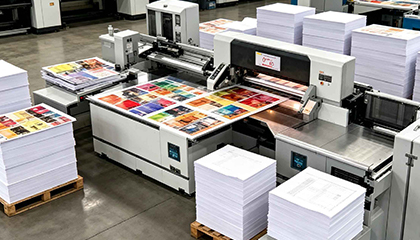
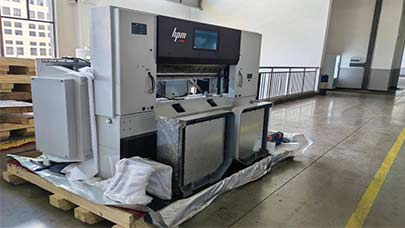
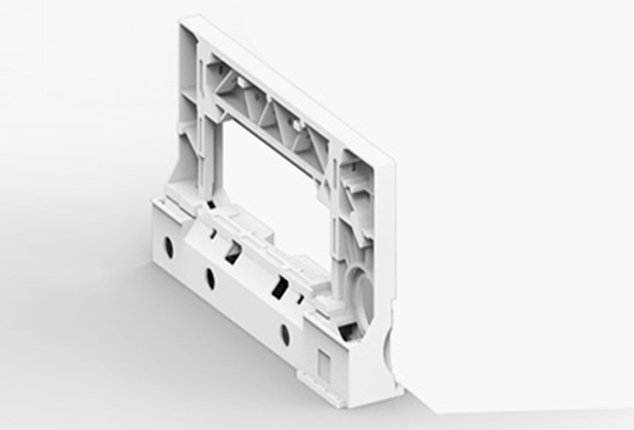
Article Overview: This guide helps procurement teams, CTOs, and technical architects evaluate packaging machinery across different system types. We compare manual, semi-automated, and fully integrated lines using objective criteria such as throughput, total cost of ownership, maintenance complexity, and scalability. The goal is to provide a decision framework that reduces selection risk and aligns with production requirements.
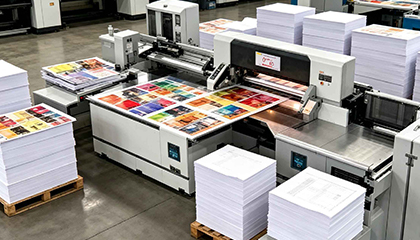
The Real Cost of Mis-matching Packaging Machinery
Selecting packaging machinery is rarely a straightforward spec sheet comparison. Many teams overemphasize initial purchase price while underestimating operational fit. For example, a high-speed slitter may impress on paper, but if your factory floor lacks the material handling infrastructure to feed it continuously, the machine will sit idle. Similarly, integrating a printer with a rewinder without proper tension control can lead to registration errors and waste.
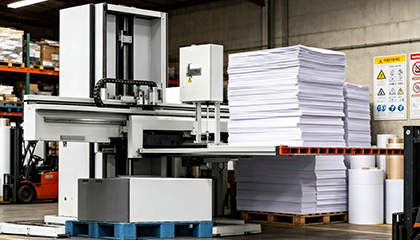
Evidence from industry snapshots shows that equipment such as the 130/150/170 Air Alignment Pile Turner or the 1050-1650 Intelligent Servo System Paper Stack Unloader are designed to work in concert with cutters and printers. Purchasing these as standalone units without considering upstream and downstream compatibility often forces costly retrofits later. The first step in any evaluation should be a thorough mapping of your material flow, from paper stacking to cutting and finishing.
For teams evaluating capacity requirements, a detailed understanding of Production Capacity metrics helps align machinery speed with actual demand, avoiding oversizing or undersizing.
Comparing Packaging Machinery by Operational Criteria
A structured comparison framework must include the following dimensions:
- Throughput vs. Flexibility: High-speed integrated lines maximize output per hour but require longer changeovers. Semi-automated machines offer quicker job switching, ideal for short-run, high-mix production.
- Automation Level: Fully digital servo-controlled systems (e.g., intelligent unloaders) reduce manual intervention but demand skilled maintenance. Manual or semi-automated options lower upfront cost but increase labor dependency.
- Material Handling Integration: Equipment like pile turners and loaders/unloaders bridge the gap between processes. Their absence can bottleneck an otherwise fast cutting line.
- Total Cost of Ownership (TCO): Include energy consumption, spare parts availability, and operator training over a 5-year horizon. A cheaper machine with high downtime can cost more than a premium one.
As an example scenario: a packaging plant producing corrugated boxes may need a slitter-rewinder combination with multi-layer capability. Comparing suppliers on servo accuracy versus mechanical clutch systems reveals tradeoffs in long-term wear and precision.
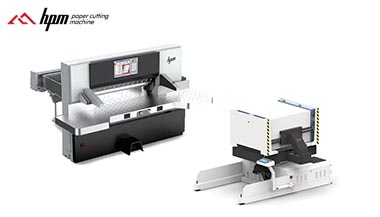
Integration Complexity: Standalone vs. Full-Line Systems
One of the most common mistakes is treating packaging machinery as isolated purchases. In reality, a printer, slitter, rewinder, and cutter must share a common control architecture to achieve seamless operation. The Intelligent Upgrades in Packaging Machinery trend, as noted in industry snapshots, points toward integrated lines that connect via centralized software. This reduces the risk of misalignment and data silos.
When evaluating integration, consider the following checkpoints:
- Standardization of interfaces: Does each machine support open protocols (e.g., OPC UA, MQTT) or proprietary ones? Proprietary systems may lock you into a single vendor for future expansions.
- Line balancing: The slowest machine dictates overall throughput. If your cutter can process 10,000 sheets per hour but the stack unloader handles only 8,000, you have a bottleneck. Matching speeds across the line is critical.
- Scalability: Modular designs allow adding a pile turner or an extra unloader later. Rigid integrated lines may require complete replacement for capacity increases.
For deeper insights into how automation transforms material flow, refer to our article on Technology Innovation in packaging machinery.
Maintenance and Long-Term Reliability Considerations
Maintenance intervals and service complexity directly affect uptime. High-speed servo-driven machines often promise longer intervals between service but require specialized technicians for troubleshooting. Mechanical systems, such as those in manual cutters, are easier to repair in-house but demand more frequent lubrication and adjustment.
Data from maintenance guides (e.g., Fast & Expert Paper Cutter Maintenance snapshots) highlight that skipping planned lubrication on hydraulic systems can cause cylinder seal failure, leading to costly downtime. The choice between a fully integrated line and a set of standalone machines should account for your maintenance team's skill level and spare parts lead times.
Moreover, the availability of genuine parts for legacy equipment becomes a risk as suppliers phase out older models. Choosing a manufacturer with demonstrated Production Capacity for continuous supply ensures long-term support.
Decision Framework for Your Next Packaging Machinery Investment
To synthesize the above into actionable steps, follow this decision checklist:
- Define your production envelope: Average job size, substrate types, changeover frequency, and desired output per shift.
- Map your material flow: Identify all handoff points between processes (stacking, loading, cutting, unloading). Each handoff is a risk for delay or damage.
- Evaluate automation level against labor skill: High automation requires robust local technical support. If your region lacks that, semi-automated may be more reliable.
- Request a TCO analysis from each shortlisted vendor: Include energy, consumables, maintenance, and training. Compare over 3, 5, and 7 years.
- Validate with a site visit or reference call: See the equipment running under real conditions. Ask about uptime, spare parts lead times, and software upgrade policies.
- Plan for scalability: Ensure your chosen architecture can incorporate future modules—such as an additional rewinder or a higher-speed cutter—without a full rebuild.
By following this framework, teams reduce the risk of buying packaging machinery that fails to meet evolving production needs.
Frequently Asked Questions
- What is the difference between standalone and integrated packaging machinery?
- Standalone machines operate independently and require manual or conveyor transfers between them. Integrated lines share a common control system and automated material handling, reducing labor but increasing initial complexity and cost.
- How do I evaluate the total cost of ownership for packaging machinery?
- Include purchase price, installation, energy consumption, consumables (blades, lubricants), scheduled maintenance parts, and projected downtime. A detailed TCO model should cover at least 5 years.
- Is integrated packaging machinery always better than separate units?
- No. Integrated lines are best for high-volume, low-mix production with stable product specs. For high-mix, low-volume or frequent changeovers, separate semi-automated machines often provide better flexibility and lower changeover waste.
- What maintenance should I plan for a paper cutter or slitter?
- Daily cleaning and visual inspection, weekly lubrication of moving parts, monthly check of blade sharpness, and quarterly hydraulic/ pneumatic system inspection. Follow the manufacturer's schedule for servo motor and controller firmware updates.
Conclusion
Selecting packaging machinery requires a balanced evaluation of throughput, flexibility, integration complexity, and long-term support. By comparing systems across objective criteria—and grounding decisions in your actual material flow and maintenance capabilities—you can avoid common pitfalls and build a production line that serves your business for years. The tradeoff between upfront cost and operational efficiency must be weighed carefully; there is no one-size-fits-all winner. Use the decision framework provided here to structure your next investment review, and remember that Production Capacity solutions are best evaluated in context of your full production ecosystem.
Related site pages: Production Capacity, Home, Company.