
 English
 Français
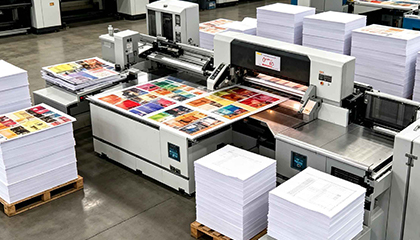
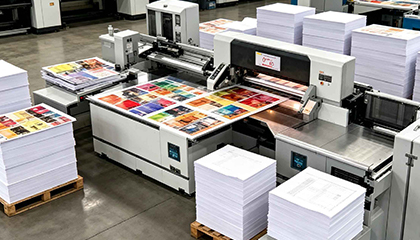
Article Overview: B2B procurement guide for packaging machinery. Learn supplier evaluation, RFQ preparation, and risk reduction with a practical checklist. 5 key criteria for choosing OEMs.

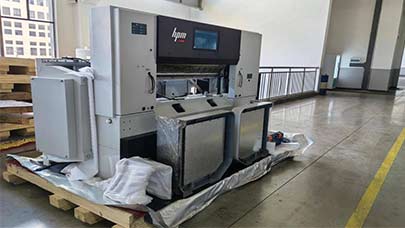
Article Overview: This guide is written for procurement managers, sourcing teams, and project engineers who are evaluating packaging machinery suppliers. It focuses on the critical steps before issuing an RFQ, supplier capability assessment, and procurement checkpoints to reduce implementation risk. Use this as a practical checklist to avoid costly mistakes.
Every year, companies invest significant capital in packaging machinery for paper converting, printing, and finishing lines. The difference between a smooth installation and a costly project delay often comes down to how thoroughly the buyer evaluates suppliers and prepares the request for quotation (RFQ). This purchase-conversion article provides a neutral, risk-aware framework to help you make informed decisions and negotiate better outcomes.
Below, we cover key areas to verify before purchase, how to assess a supplier’s capabilities, and what to include in your procurement checklist. We also address common risks and how to mitigate them.
What Should You Verify Before Sending an RFQ?
The RFQ is your primary document to communicate requirements and receive comparable proposals. To avoid ambiguity and later surprises, verify the following before sending it out:
- Technical specifications: Ensure your RFQ includes exact dimensions, materials, speeds, and integration requirements for the packaging machinery. For example, specify paper size range, cut quality tolerances, and automation level (manual, semi-automatic, fully integrated).
- Production volume and cycle time: Define your required output per shift or per day. This helps suppliers propose the right machine size and configuration. For paper cutting lines, throughput in sheets per minute is a common metric.
- Certification and compliance needs: Some industries require CE, UL, or other regional standards. Confirm whether your supplier holds relevant certifications for safety and emissions. Check Certificates as part of your due diligence.
- Installation and commissioning scope: Clarify whether the price includes installation, training, and on-site support. Many buyers overlook this and face unexpected costs later.
- Spare parts and service availability: Ask about lead times for critical spares and the supplier’s Service network. A machine is only as good as the support behind it.
By verifying these elements early, you reduce the chance of receiving incomplete or incompatible proposals.
How to Evaluate a Packaging Machinery Supplier’s Capabilities?
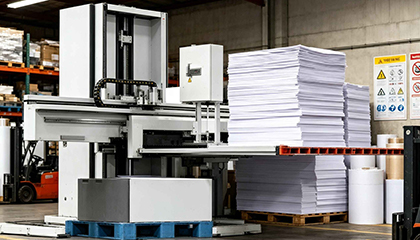
Once you receive RFQ responses, the next step is to assess each supplier’s true capabilities. Don’t rely solely on marketing materials. Consider the following evaluation criteria:
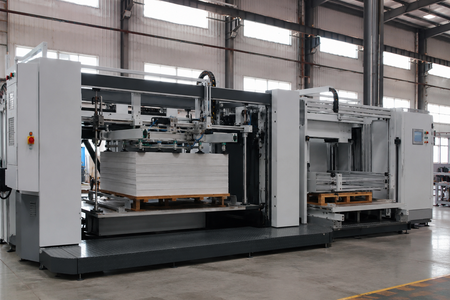
- Factory audit and production capacity: A physical or virtual audit of the supplier’s facility reveals equipment age, maintenance practices, and quality control. Ask to see their Production Capacity for similar machinery lines. This gives insight into their ability to deliver on time and to specification.
- Track record and references: Request case studies or references from buyers in your industry. Example scenarios: a converter upgrading from manual to automated cutting lines should look for suppliers who have executed similar transitions.
- Engineering and customization ability: Some projects require modifications. Does the supplier have in-house engineering to adapt standard designs? Check their Technology Innovation page for examples of custom solutions.
- After-sales support: Understand the warranty terms, response times, and spare parts policy. Suppliers with a local service presence reduce downtime risk.
- Financial stability: For large capital investments, ensure the supplier is financially healthy. Request financial statements or check credit references.
Using these criteria helps you separate capable suppliers from those who cannot meet your project’s demands.
Key Procurement Checkpoints for Packaging Machinery Lines
Procurement is not just about choosing the right supplier; it’s about structuring the agreement to protect your interests. Here is a checklist of checkpoints to incorporate into your procurement process:
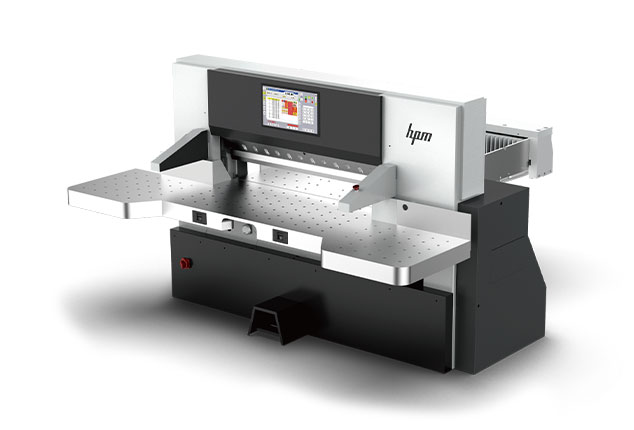
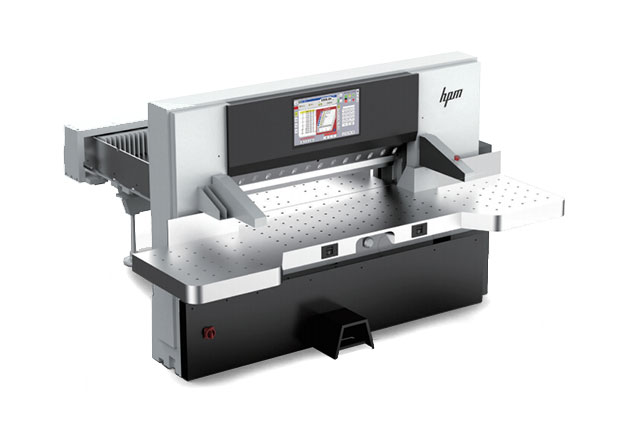
- Detailed scope of supply: Ensure the contract lists every component, from the Paper Cutting Machine to auxiliary equipment like pile turners and loaders. Omissions can lead to change orders.
- Payment milestones: Tie payments to verifiable milestones: order confirmation, factory acceptance test (FAT), shipment, installation completion, and final acceptance. Example: 30% deposit, 40% after FAT, 20% on shipment, 10% after commissioning.
- Acceptance criteria: Define pass/fail criteria for FAT and site acceptance test (SAT). Include performance metrics such as speed, accuracy, and waste percentage.
- Delivery and lead time penalties: Include liquidated damages for late delivery, but ensure they are reasonable and enforceable.
- Spare parts commitment: Agree on a list of critical spares to be supplied with the machine, plus a price list for future orders. Ask about lead times for items like blades and sensors.
- Training and documentation: Require training for your operators and maintenance staff, plus comprehensive manuals in your language.
By incorporating these checkpoints, you reduce the risk of budget overruns and operational delays. For a complete lineup of machinery options, browse the Products page to understand what standard configurations are available.
Common Risks in Packaging Machinery Purchases and How to Mitigate Them
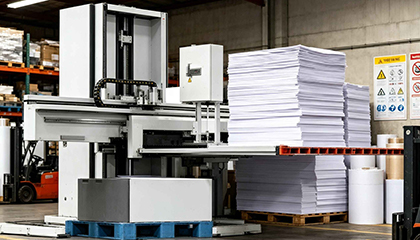
Even with careful planning, risks remain. Awareness is the first step to mitigation. Below are common risks and practical ways to address them:
- Incompatibility with existing line: New machinery must integrate seamlessly with your current system. Mitigation: Send detailed layout drawings and specify interface requirements in the RFQ. Include a compatibility review in the supplier’s scope.
- Quality discrepancies: The delivered machine may not meet the promised quality. Mitigation: Require a factory acceptance test (FAT) before shipment. If possible, send your own inspector or request a video FAT.
- Hidden costs: Installation, foundation work, and training can add 10-20% to the purchase price. Mitigation: Request a total cost of ownership (TCO) breakdown in the RFQ. Ask for all expected ancillary costs.
- Delays in delivery or commissioning: These affect your production schedules. Mitigation: Build buffer time into your project plan and include penalty clauses as mentioned earlier.
- Obsolescence: Machinery may become outdated quickly if the supplier does not support upgrades. Mitigation: Choose suppliers with a history of innovation and upgrade paths. Review their Technology Innovation page for continuous improvement evidence.
Proactive risk management ensures you are not caught off guard. Always document agreements in writing and keep clear communication with all stakeholders.
FAQ
How many packaging machinery suppliers should I evaluate before making a decision?
Typically, evaluating three to five suppliers provides a balanced view of the market. More than five can be overwhelming, while fewer than three may lead to insufficient competition. Focus on suppliers who meet your technical and service requirements.
What is the most important factor when comparing packaging machinery quotes?
Beyond price, consider total cost of ownership (TCO), which includes energy consumption, maintenance costs, spare parts availability, and expected lifespan. A slightly higher upfront cost often pays off in lower operating expenses.
Should I visit the supplier’s factory before placing an order?
Yes, if possible. A factory visit reveals production quality, inventory levels, and workforce skill. If an in-person visit is not feasible, request a virtual tour or detailed video evidence of the production line.
How long does a typical packaging machinery procurement cycle take?
For standard machines, the cycle from RFQ to delivery can range from 12 to 24 weeks, including engineering, manufacturing, and shipping. Customized systems may take 4-6 months or longer. Plan your production schedules accordingly.
Conclusion
Purchasing packaging machinery is a significant capital decision that affects your production efficiency and competitiveness. By thoroughly preparing your RFQ, evaluating suppliers objectively, and using a structured procurement checklist, you can reduce risk and achieve a better return on investment. Remember to verify technical specifications, audit production capacity, negotiate payment milestones, and plan for integration and after-sales support. Apply these principles to your next purchase, and you will be better equipped to select a supplier who delivers on time, on budget, and to your quality expectations.
For further information on machinery configurations and factory capabilities, visit our Production Capacity overview. Start your evaluation early and involve your engineering team in every step of the process.