
 English
 Français
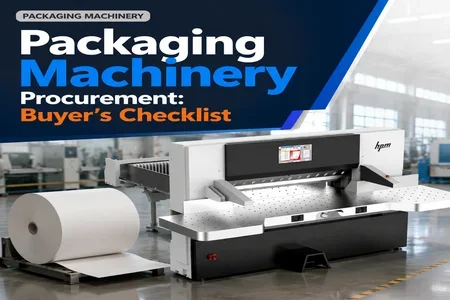
Article Overview: This guide helps procurement managers and project engineers create a defensible shortlist of packaging machinery suppliers before issuing an RFQ. It covers critical evaluation criteria, Production Capacity verification, procurement risks, and a step-by-step checklist to reduce mistakes and ensure supplier fit. By following this structured approach, you will minimize costly errors and select a supplier that meets your operational and financial goals.
What Are the Critical Evaluation Criteria for Packaging Machinery?
When building a shortlist, focus on parameters that directly affect line performance and total cost of ownership. The following criteria should be validated for every candidate supplier:
- Production Capacity – Does the supplier’s output match your required throughput? Verify both nominal and sustained capacity under real operating conditions. A supplier’s claimed Production Capacity must align with your peak demand and future growth plans.
- Machine Specifications – Compare speed, material compatibility, automation level, and energy consumption. Use standardized metrics to avoid apples-to-oranges comparisons. For example, if you require a packaging machinery line that handles flexible films, ensure the vendor states film thickness ranges and seal integrity data.
- Certifications and Compliance – Check CE, UL, or other relevant safety standards. Review supplier certificates to ensure regulatory acceptance in your target markets.
- After-Sales Support – Evaluate spare parts availability, response times, and local service network. A fast maintenance plan is critical to minimize downtime. Confirm that the supplier offers remote diagnostics and on-site technicians within your region.
Step 1: Define Your Operational Requirements
Document peak production volume, material types, floor space, and integration constraints. This forms the baseline for supplier evaluation. Include acceptable changeover times and automation level preferences. Use this checklist early in the procurement process to eliminate suppliers that cannot meet your core needs.
By systematically scoring each vendor against these criteria, you create an objective shortlist that can withstand internal scrutiny and stakeholder reviews.
How to Verify Production Capacity and Supplier Capability?
Production Capacity is a key differentiator among packaging machinery manufacturers. Buyers should go beyond brochure numbers and request evidence such as factory audits, third-party load tests, or customer references for similar installations. A supplier’s ability to deliver consistent throughput under variable conditions is a strong indicator of reliability.
Step 2: Request Capacity Documentation
Ask for detailed capacity data sheets, production line layouts, and case studies. For example, a Production Capacity solution should demonstrate real-world throughput under varying loads, material types, and shift schedules. Request performance curves that show how output degrades as speed increases, and compare these across shortlisted vendors.
- Review the supplier’s own manufacturing capabilities – visit their facility if possible to see how they build and test packaging machinery. Pay attention to quality control processes and inventory management.
- Compare products from shortlisted vendors side-by-side using a standardized matrix that includes capacity, speed, footprint, and energy consumption.
- Validate claims with existing clients or independent audits. Ask for at least three references from similar applications and contact them to discuss real-world performance and support experience.
For a deeper dive into measurement and verification methods, explore dedicated Production Capacity resources that outline best practices for load testing and capacity guarantees.
What Procurement Risks Should You Address Before RFQ?
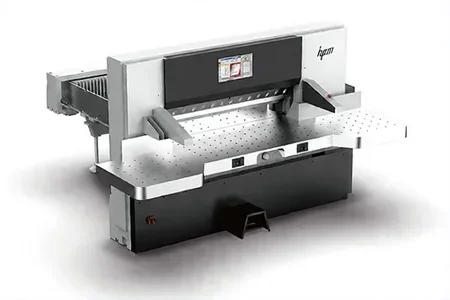
Packaging machinery investments carry several risks that can derail projects. Common issues include mismatched specifications, hidden change-order costs, and underestimated installation complexity. To mitigate these, create a risk register and review it with your team. Below is a comparison of two approaches to handling specification gaps.
Risk: Specification Gaps
Option A: Rely on supplier-provided specs without independent verification. This is faster but may lead to mismatches that require expensive rework after installation.
Option B: Engage a third-party engineer to validate performance parameters against your line requirements. This adds upfront cost but reduces downstream surprises.
Buyer note: Investing in verification upfront reduces expensive retrofits later. Many procurement teams find that a small early investment in independent testing pays for itself by preventing line downtime.
Additionally, check the supplier’s track record with similar integrations. A manufacturer’s technology innovation can indicate future-proofing, but always cross-reference with proven field results. For example, a supplier that uses advanced servo drives may offer better energy efficiency, but you should ask for data on actual energy savings from existing customers.
Building Your RFQ Checklist for Packaging Machinery Suppliers
A structured RFQ ensures all shortlisted suppliers respond on a level playing field. Include the following items in your request:
- Exact production capacity requirements and measurement conditions (e.g., per shift, per hour, with material type assumptions).
- Required certifications and compliance documentation (e.g., CE, UL, FDA).
- Spare parts pricing and lead times for critical consumables and wear items.
- Installation timeline and site preparation needs, including electrical, compressed air, and floor loading requirements.
- Training and ongoing support terms, including remote troubleshooting and on-site service response times.
Step 3: Distribute RFQ and Score Responses
Use a weighted scoring system to rank replies. Factor in Production Capacity, cost, and risk. Schedule technical calls for top contenders to clarify any ambiguities. It is also wise to request a sample run of your product on their packaging machinery to validate performance claims.
By standardizing the RFQ format, you enable apples-to-apples comparisons and reduce the chance of overlooking critical details. Consider involving your operations and maintenance teams in the scoring process to capture frontline insights.
How to Evaluate Integration and Implementation Complexity?
Once your shortlist narrows, assess how each supplier handles integration. Key factors include compatibility with existing auxiliary equipment such as conveyors, feeders, and coders, as well as software controls and data interfaces. Request a site survey and detailed installation plan from each vendor. Discuss ramp-up support and performance guarantees before contract signing.
Also consider the supplier’s own Production Capacity to ensure they can deliver on time. A supplier that is stretched thin may delay your project. Check their order backlog and ask about their manufacturing lead times. For a comprehensive understanding of how capacity influences delivery, review solution case studies that highlight successful integrations.
Finally, plan for a phased implementation: start with a pilot line to verify performance before scaling. This reduces risk and allows your team to learn the new packaging machinery gradually.
FAQ
What is the most important factor when evaluating packaging machinery suppliers?
Production Capacity and its correlation with your actual throughput needs is typically the top factor. Validate using real-world data, not just brochures. A machine that performs well in a test lab may behave differently on your factory floor.
How many suppliers should be on my shortlist before RFQ?
Aim for three to five qualified suppliers. Fewer than three limits comparison, while more than five can dilute focus and slow the evaluation process.
Should I visit a supplier’s factory before ordering?
Yes. An on-site audit provides irreplaceable insight into their quality control, capacity, and production processes. Seeing their packaging machinery in operation helps you gauge build quality and operator skill levels.
Can I negotiate payment terms based on production capacity guarantees?
Yes. Performance-based payment milestones tied to verified Production Capacity benchmarks are common and reduce risk. For example, you could tie a percentage of payment to sustained throughput during a commissioning trial.
What documentation should I request to verify capacity claims?
Ask for detailed capacity data sheets, third-party test reports, and contact references from similar installations. If the supplier offers a Production Capacity solution, request a case study that shows real-world results.
How long does it typically take to integrate a new packaging machine into an existing line?
Integration timelines vary, but plan for 4–12 weeks depending on complexity, customization, and your site’s readiness. Request a detailed project plan from each shortlisted vendor and include buffer time for unforeseen issues.
Conclusion: Act on Your Defensible Shortlist
A well-structured packaging machinery shortlist reduces procurement mistakes and positions your team for a successful investment. Use the criteria, checklists, and flow steps outlined above to evaluate suppliers confidently. Start by reviewing your own requirements, then request detailed proposals from shortlisted vendors. With a defensible shortlist, you can proceed to RFQ and contract negotiations with clear expectations and lower risk.
Remember to leverage available resources such as Production Capacity documentation and service support to further validate your choices. By taking a structured, evidence-based approach, you will select a packaging machinery partner that delivers reliable performance and strong return on investment.