
 English
 Français
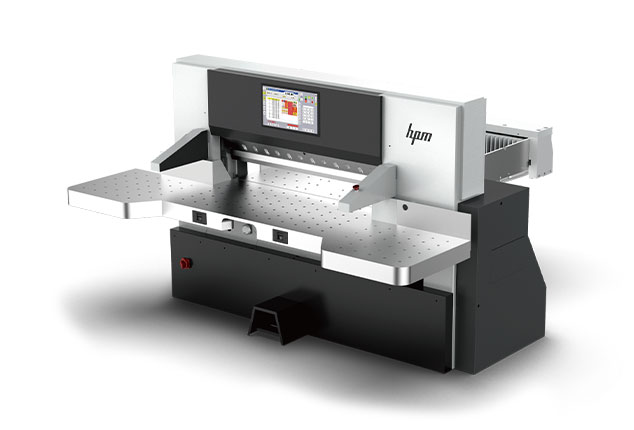
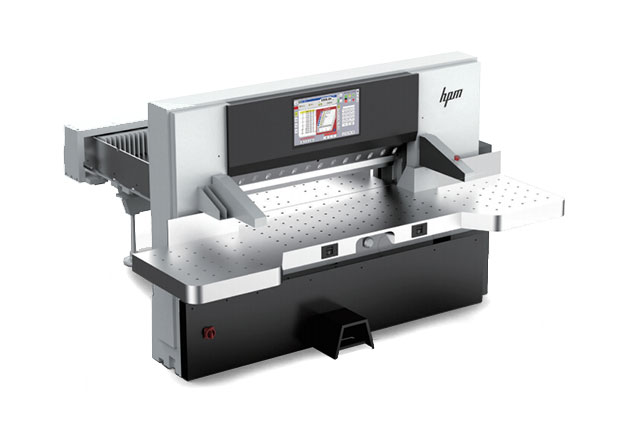
Article Overview: This guide helps procurement decision-makers and project engineers understand how to sell chinese paper cutting machine by focusing on supplier evaluation, specification validation, and risk mitigation. Whether you are sourcing for a new production line or replacing outdated equipment, this article provides a structured approach to selecting a reliable manufacturer. Key topics include certification checks, after-sales support, cost considerations, and practical checklists. For a detailed reference on a well-documented OEM solution, see our how to sell chinese paper cutting machine for high-precision cutting example.
What Are the Critical Checks When Buying a Chinese Paper Cutting Machine?
Before issuing an RFQ, buyers should conduct preliminary checks on potential suppliers. First, verify that the manufacturer holds relevant certifications such as ISO 9001, CE, or UL, depending on your target market. These certifications indicate adherence to international quality and safety standards. For instance, CE marking is mandatory for machines sold in Europe, while UL listing may be needed for North America. Always request copies of certificates and verify them with the issuing body if possible.
Second, inspect the supplier’s production capacity and lead times. Request factory audit reports or schedule a virtual tour. A typical Chinese paper cutting machine manufacturer may produce 50 to 200 units per month. Ask about their current order backlog and typical lead times—standard machines often ship in 30 to 45 days, while customized configurations can take up to 90 days. Ensure these timelines align with your project schedule.
Third, confirm that the machine specifications match your operational requirements. Critical parameters include cutting width (e.g., 920 mm, 1150 mm, 1370 mm), stack height (up to 165 mm or more), cutting accuracy (e.g., ±0.1 mm or better), and automation level—manual, semi-automatic, or fully automatic with programmable back gauge and touchscreen control. Request detailed datasheets and, if possible, test reports from an independent lab.
Fourth, assess the supplier’s experience in exporting to your region. Familiarity with local electrical standards (voltage, frequency, plug types) reduces integration risks. Ask for a list of previous export orders to countries similar to yours and contact references if permitted.
Step 1: Initial Supplier Screening
Compile a list of at least five Chinese paper cutting machine manufacturers. Review their websites, product catalogs, and client testimonials. Check independent platforms like Alibaba or Made-in-China for verified supplier badges and trade assurance. Shortlist only those with clear contact information and responsive communication. Use a standardized scorecard to rate each supplier on criteria such as years in business, export volume, and product range.
Step 2: Technical Documentation Review
Request detailed technical datasheets, including motor power, blade life, safety features, and automation options. Cross-reference claimed specifications with industry standards. For example, a guillotine cutter’s cut accuracy should be backed by test reports or third-party calibration certificates. Pay special attention to electrical components—confirm that PLC brands (e.g., Siemens, Mitsubishi) and servo drives are from reputable manufacturers, as this affects long-term reliability and spare parts availability.
How to Sell Chinese Paper Cutting Machine: What Should Your RFQ Include?
To receive comparable quotes, your RFQ must be precise. Include the following elements, each with specific details:
- Material type and dimensions: Specify paper type (e.g., coated, uncoated, cardboard), thickness range (e.g., 0.02 to 10 mm), and maximum sheet size (e.g., up to 1200 x 900 mm). This ensures the machine's feed system and cutting capacity are suitable.
- Required cutting precision: State tolerance in mm (e.g., ±0.2 mm). Tighter tolerances may require higher-end machines with linear guides and ball screws.
- Production volume per shift: Indicate sheets per hour and number of shifts. This helps the supplier recommend an appropriate automation level—manual for low volume, fully automatic for high throughput.
- Automation level: Choose from manual, semi-automatic (powered back gauge), or fully automatic with programmable memory, automatic blade lift, and paper pile lift. Specify if you need integration with existing conveyor systems.
- Safety features: List mandatory requirements: light curtains, two-hand operation, emergency stop, blade guards, and safety interlocks. Compliance with local safety regulations (e.g., OSHA in the US, PUWER in the UK) is essential.
- Power supply specifications: Provide voltage (e.g., 220V/380V 3-phase), frequency (50Hz or 60Hz), and maximum power consumption. Incorrect specs lead to costly rewiring or transformer purchase.
- Warranty terms and spare parts availability: Request warranty duration (typically 1-2 years) and list of critical spare parts with lead times. Ask if the supplier stocks parts in a regional warehouse.
- Installation and training support: Specify whether on-site installation and operator training are required. Clarify costs—some suppliers include this in the machine price, others charge separately.
Using a standardized RFQ template ensures that all suppliers respond on comparable terms. This step is essential for an effective how to sell chinese paper cutting machine strategy, as it enables fair evaluation. For additional model comparisons, refer to the paper cutting machine solutions category page for comparative specifications.
Why After-Sales Support Matters in Chinese Paper Cutting Machine Deals?
After-sales support is a differentiator among Chinese manufacturers. Evaluate the following aspects carefully, as they directly impact machine uptime and total cost of ownership:
- Response time for technical inquiries: Ideal response within 24 hours. Test this by sending a pre-sales question and measuring response time. Reliable suppliers maintain a dedicated after-sales team reachable by phone, email, or WeChat.
- Availability of local service technicians or authorized partners: Inquire if the supplier has service engineers in your region or can dispatch one within 48 hours. Some manufacturers partner with local machine tool dealers for on-site support.
- Remote troubleshooting capability: Modern paper cutting machines often include remote diagnostics via VPN or internet-connected PLCs. Confirm if the supplier offers this and if your IT infrastructure supports it.
- Stock of critical spare parts: Ask for a recommended spare parts list and delivery lead times. Blades, bearings, electrical boards, and hydraulic seals are common consumables. A supplier that keeps stock reduces downtime from weeks to days.
- Training programs: Verify that training covers machine operation, safety, daily maintenance, and basic troubleshooting. Some suppliers provide video manuals or periodic online refresher sessions.
Investing time in after-sales support evaluation can prevent costly production halts. When reviewing proposals, ask for contact references from at least three international buyers who have purchased similar machines in the last two years.
Step 3: After-Sales Support Verification
Create a checklist of support commitments and confirm each in writing. For example, request a sample spare parts price list and lead time guarantee. Simulate a remote troubleshooting session with the supplier's engineer to test response quality. Document all agreements in the purchase contract, including penalties for failure to meet support response times.
How to Sell Chinese Paper Cutting Machine: A Checklist for Supplier Audits
Conducting a supplier audit, either on-site or virtually, is a best practice to validate claims and assess production capability. Key checkpoints include:
- Factory floor organization: Look for 5S methodology (Sort, Set in Order, Shine, Standardize, Sustain). A well-organized floor indicates disciplined quality management.
- Quality control processes: Review incoming material inspection (e.g., steel plates, electronic components), in-process checks during assembly, and final testing procedures. Ask for quality records and non-conformance reports.
- Testing procedures: Confirm that each machine undergoes a full trial run before shipment. Ideal if they can test with your actual paper samples to verify cut quality and accuracy. Request a video of the test if you cannot be present.
- Documentation of export orders: Examine export invoices, packing lists, and customs clearance records. This shows the supplier’s experience in international logistics and handling of regulatory paperwork.
- Financial stability: Ask for audited financial statements or bank references. A supplier with steady revenue and low debt is less likely to face production disruptions.
For a deeper understanding of OEM capabilities, review production capacity information. This can help you verify whether the supplier can meet your volume and deadline requirements.
Common Procurement Mistakes and How to Avoid Them
Even experienced buyers can overlook critical details. The most frequent errors include:
- Selecting based solely on lowest price: This ignores long-term reliability costs. A cheaper machine may have lower-quality components, higher energy consumption, and frequent breakdowns. Use total cost of ownership (TCO) analysis over a 5-year period.
- Assuming all Chinese machines are identical: Each manufacturer has distinct engineering choices in blade design, hydraulic systems, control software, and build materials. Always verify specific features against your needs.
- Failing to clarify incoterms and shipping responsibilities: Misunderstandings about who pays for shipping, insurance, customs clearance, and inland transport can cause budget overruns. Specify incoterms (e.g., FOB, CIF, DAP) in the contract.
- Not budgeting for installation, training, and initial calibration: These costs can add 10-20% to the purchase price. Get itemized quotes for these services upfront.
- Overlooking software compatibility: If you use a production management system (e.g., ERP or MES), ensure the machine's control software can export data in a compatible format (e.g., CSV, XML).
Mitigate these risks by creating a decision matrix that weights price, specifications, support, and lead times. Always request a pre-shipment inspection from a third-party agency such as SGS or TÜV.
Step 4: Decision Matrix Creation
List all shortlisted suppliers in rows and key evaluation criteria in columns. Assign weights based on your priorities (e.g., price 30%, specifications 25%, after-sales support 20%, lead time 15%, references 10%). Score each supplier on a scale of 1-10 for each criterion, then calculate weighted totals. This objective approach prevents emotional decision-making and highlights the best overall value.
FAQ
What is the typical lead time for a Chinese paper cutting machine?
Lead times vary from 30 to 90 days depending on customization, complexity, and supplier backlog. Standard models often ship within 45 days. Always confirm lead time in writing and include penalty clauses for delays, such as a 1% discount per week of delay.
Are Chinese paper cutting machines compliant with European safety standards?
Many Chinese manufacturers offer CE-certified models, but certification should be verified against specific directives (e.g., Machinery Directive 2006/42/EC). Request a copy of the CE declaration of conformity and check the notified body number (e.g., TÜV, SGS). Also ensure the machine complies with local noise and vibration regulations.
Can I get a sample machine or visit the factory before purchase?
Reputable suppliers encourage factory visits or virtual tours. Some may offer sample testing with your materials at their facility. However, be aware that shipping a full machine for trial is impractical; rely on detailed specifications, test reports, and references.
What payment terms are common when buying from Chinese suppliers?
Typical terms are 30% deposit and 70% before shipment, but you can negotiate milestones, such as 30% deposit, 40% after factory inspection, and 30% before shipment. Use letters of credit (L/C) for larger orders to protect both parties. Avoid paying 100% in advance.
How do I ensure the machine performs as specified after installation?
Include acceptance testing in the contract. Define key performance indicators (KPIs) such as cutting accuracy, cycle time, and noise level. Perform a joint test with the supplier's engineer within 30 days of installation. If the machine fails to meet KPIs, the supplier should remedy at their cost or provide a replacement.
Conclusion
Procuring a Chinese paper cutting machine requires structured evaluation to match your production needs and minimize risk. By following the steps outlined above—initial screening, detailed RFQ, supplier audits, after-sales assessment, and systematic decision-making—you can confidently select a partner that delivers value. Remember to leverage resources like the how to sell chinese paper cutting machine for high-precision cutting as a reference point for comparing specifications. With careful planning, your investment in automated cutting technology will improve efficiency and reduce operational costs. For a broader overview, explore the entire range of paper cutting machine solutions available from established manufacturers.