
 English
 Français
Jul 18, 2026
Jul 18, 2026
Jul 17, 2026
Jul 14, 2026
Dec 17, 2025
Mike Dooley
paper unloader—a crucial yet often overlooked piece of equipment—are frequently malfunctioning. Stacks of high-quality paper jam, misfeeds cause costly downtime, and operators have to intervene manually every twenty minutes. This scenario plays out repeatedly in packaging plants, binderies, and printing houses worldwide, which is why efficient automated paper feeding systems are not just an upgrade, but a necessary revolution. Advanced paper handling systems are essentially the silent guardians of your production process, ensuring the precise and flawless delivery of paper from pallet to press or processor. This article cuts through the jargon to provide decision-makers with the information they truly need: actionable insights into how modern automated paper feeding systems solve real-world bottlenecks, boost profits, and future-proof your operations, with a focus on HPM's engineering solutions.
Putting aside the complex terminology, imagine a sophisticated automated paper handling system as a highly coordinated, intelligent ballet performance. It begins with intelligent sheet separation. Unlike vacuum systems, which can struggle with coated or lightweight papers, advanced systems like HPM typically employ non-contact sensor-controlled mechanisms to gently and reliably "peel" the top sheet from the stack. This is the most fundamental and critical step in automated paper feeding.
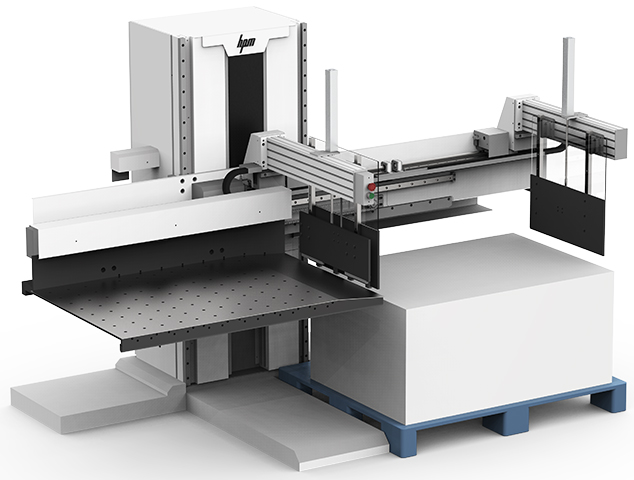
When we talk about efficient paper handling systems, speed is often the first thing that comes to mind. And yes, systems like HPM can significantly increase feeding speeds, enough to meet the demands of even the most demanding digital presses. But its true value is far greater and more impactful:
1. Significant Waste Reduction: Consistent, flawless paper presentation significantly reduces jams, misalignments, and registration errors. In high-volume environments, even a 1% reduction in substrate waste can save tens of thousands of dollars annually. This is a direct and measurable return on investment from automated paper handling.
2. Labor Reallocation and Safety: Automating the heavy and repetitive task of paper stack handling frees skilled workers to perform value-added tasks such as quality control or machine supervision. It also removes them from potentially hazardous work involving heavy lifting and moving machinery, a critical consideration for any modern factory manager.
3. Unparalleled Stability: The machine never tires. The automatic paper feeding system ensures that the first sheet of paper and the 10,000th sheet maintain the same precision every day. This stability is the cornerstone of high-quality output and predictable production schedules.
4. Extended Equipment Lifespan: Smooth, precise paper feeding reduces stress and wear on downstream equipment such as printing presses, grippers, and cutting blades. Your primary assets last longer, protecting your capital investment.
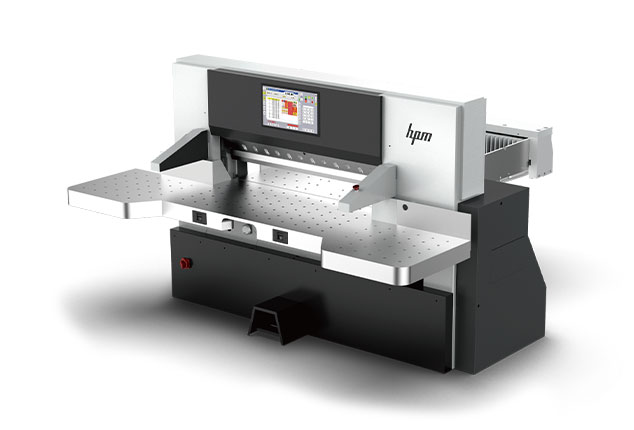
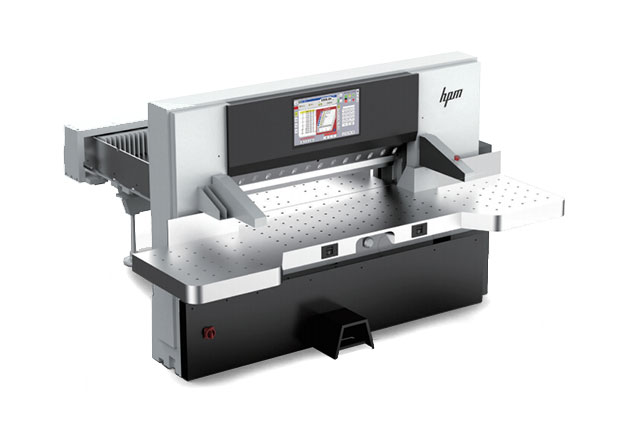
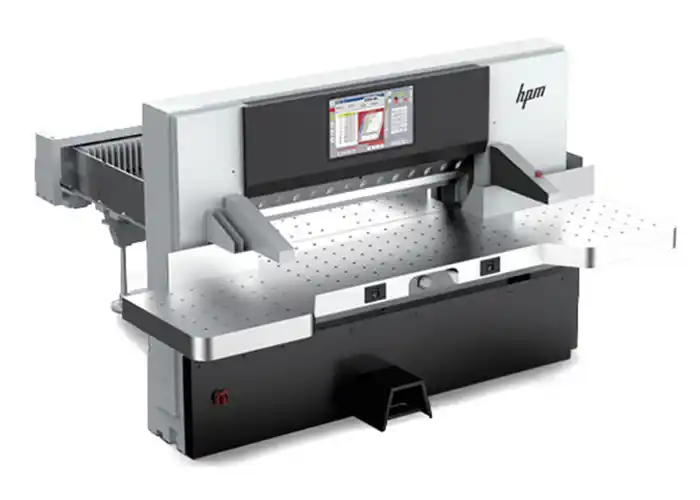
Their paper unloader system console features an intuitive color touchscreen interface, using language familiar to operators, not the technical jargon found in engineering manuals. Switching between different paper sizes or weights is often easily accomplished through preset parameters, reducing non-productive setup time from minutes to seconds. I recall a mid-sized packaging company that switched to an HPM system; their factory manager not only cited the data but also spoke about the "calming" effect on the production floor. The feeders no longer required frequent troubleshooting. The paper feeder became a reliable asset, not a source of anxiety. Furthermore, HPM is committed to providing customized paper feeding solutions, meaning they typically start with the customer's specific pain points—whether it's handling delicate specialty substrates, integrating with existing equipment, or addressing unique site constraints—to design the right solution, rather than forcing mismatched equipment together.
Imagine your paper unloader system communicating directly with your warehouse management system (WMS), automatically calling for the next pallet of paper when the current stack is running low. Imagine it sending real-time performance data (such as feed rate, downtime, and efficiency) to a central dashboard for predictive maintenance. This integration transforms a standalone machine into a neural node in a smart factory, enabling data-driven decision-making and elevating efficiency to new heights. Investing in a system with this capability is not just about solving immediate problems, but about ensuring your paper handling infrastructure remains relevant and competitive for the next decade.
The transition from manual intervention to seamless automated unloading is one of the most impactful upgrades a printing or packaging company can make. It affects every critical metric: cost, quality, throughput, and employee satisfaction. In an industry with thin margins, paper unloader machines have evolved from simple auxiliary equipment to strategic assets. The system designed by HPM is a prime example of this transformation, combining powerful mechanical precision with intelligent, human-centered design to create not just a machine, but a cornerstone of modern production resilience.
Ready to eliminate feeding bottlenecks and improve production stability? Contact HPM's material handling experts today for a personalized consultation and learn how to customize an efficient paper unloading solution for your specific needs. Visit our solutions page [www.chinahpm.com/solution] to start the conversation.
SEO Keywords
paper unloader
automatic feeding system
HPM unloader
paper unloading automation
high-efficiency sheet feeder
GET A QUOTE