
 English
 Français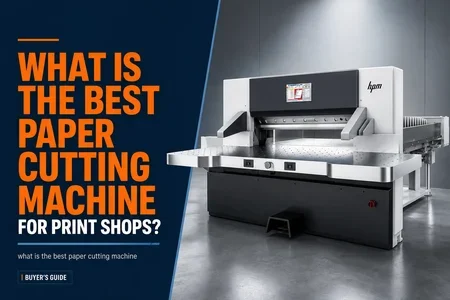
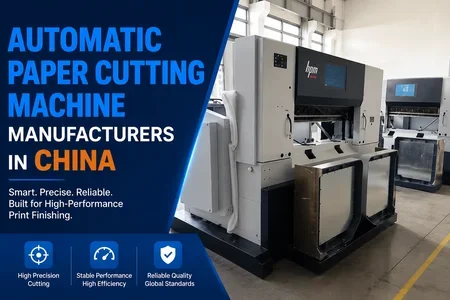
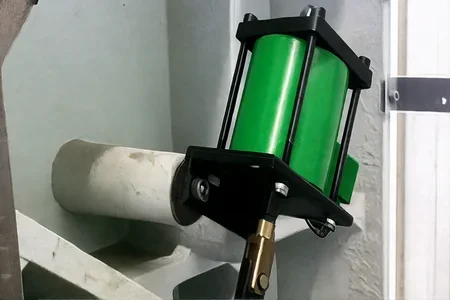
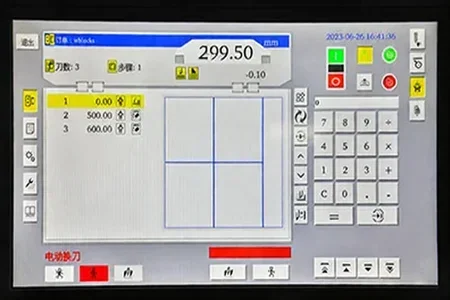
Article Overview: This guide is written for procurement managers, sourcing teams, and project engineers evaluating industrial paper cutting machines. It answers the question "what is the best paper cutting machine" by focusing on supplier fit, technical validation, and RFQ preparation. You will learn key decision criteria, common procurement pitfalls, and a step-by-step approach to selecting a reliable guillotine solution for your print or converting operation.
What Is the Best Paper Cutting Machine and Why Does It Matter for Your Shop?
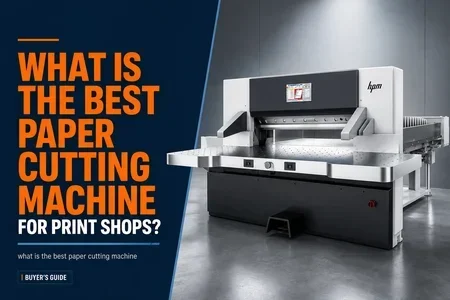
Defining "what is the best paper cutting machine" depends on your production volume, sheet size range, cut precision requirements, and automation level. For a print shop handling A3/A4 commercial work, a programmable guillotine with a clamp pressure system and back-gauge accuracy within ±0.2 mm is often considered baseline. For higher throughput, a machine with automatic jogging, air tables, and a pile turner can reduce manual handling and waste.
Why does this matter? The wrong choice can lead to frequent downtime, poor cut quality, and high operator fatigue. According to industry benchmarks, a well-matched paper cutting machine can improve productivity by 15–30% and reduce waste by up to 5% compared to an outdated or undersized unit. For a B2B buyer, the financial impact of selecting the right model is substantial over the machine's lifespan.
Key Criteria for Evaluating a Paper Cutting Machine Supplier
When you ask "what is the best paper cutting machine", you must also evaluate the supplier behind the machine. Use the following checklist during supplier assessment:
- Cutting Accuracy and Repeatability: Request documented accuracy specs (e.g., ±0.1 mm or better). Ask for test reports for typical paper stacks.
- Build Quality and Component Sourcing: Inquire about the main frame casting, blade steel, motor brand, and control system. Reputable suppliers often use Mitsubishi or Siemens drives.
- Safety Features: Verify compliance with CE, ISO 9001, or other relevant standards. Look for dual-hand controls, light curtains, and emergency stop systems.
- After-Sales Support: Check response times for spare parts, on-site service availability, and warranty terms. Many buyers overlook this until a breakdown occurs.
- References and Case Studies: Ask for contact details of similar print shops using the same model. A neutral reference call can reveal real-world performance and support quality.
For a detailed procurement framework, refer to the Top Automatic Paper Cutting Machine Manufacturers Guide which outlines neutral evaluation methods.
Phase 1: Technical Alignment
Match machine specifications to your job mix: maximum sheet size, cut height, and program memory. Validate that the machine can handle your typical paper weights (from 60 g/m² to 400 g/m²) without jamming or misalignment.
Phase 2: Supplier Capability Audit
Assess the supplier's production capacity, quality control processes, and innovation history. A visit to the factory or a virtual tour can reveal consistency in manufacturing. For example, HPM's Production Capacity page documents their assembly lines and testing procedures.
How to Prepare an RFQ for Paper Cutting Machines
Writing a clear RFQ is essential to get comparable bids. Include the following elements:
- Your typical job specifications (sheet sizes, materials, daily volume).
- Required automation features (programmable back-gauge, auto clamp, extra accessories).
- Installation site constraints (floor space, electrical supply, compressed air).
- Preferred payment terms and delivery timeline.
- Request for spare parts list and pricing.
Below is a step-by-step process for RFQ preparation:
Step 1: Define Your Operational Requirements
List all materials and cut patterns you run. Include future plans for expansion. This prevents under-sizing the machine.
Step 2: Create a Technical Specification Sheet
Standardize the minimum specs: cutting width, cut height, clamp pressure range, back-gauge motor power, and control interface. Send the same sheet to each supplier to enable apples-to-apples comparison.
Step 3: Evaluate Bids Against Weighted Criteria
Assign scores for performance, price, delivery, warranty, and service. A simple matrix helps avoid bias. For example, a machine that scores high on accuracy but low on support may not be the best overall choice.
Common Procurement Mistakes and How to Avoid Them
Even experienced buyers can make errors when selecting what is the best paper cutting machine. Here are frequent pitfalls:
- Focusing only on price: Lowest initial cost often leads to higher maintenance spend and downtime. Factor total cost of ownership.
- Ignoring operator training: A sophisticated guillotine requires skilled operators. Include training in the contract.
- Overlooking spare parts availability: Ensure critical parts (blades, friction rings, belts) are stocked locally or can be delivered within 48 hours.
- Not testing with your own material: Ask for a sample run with your actual paper stock before finalizing purchase.
- Underestimating installation complexity: Some machines need reinforced flooring or three-phase power. Verify site readiness early.
FAQ
What is the best paper cutting machine for a small print shop?
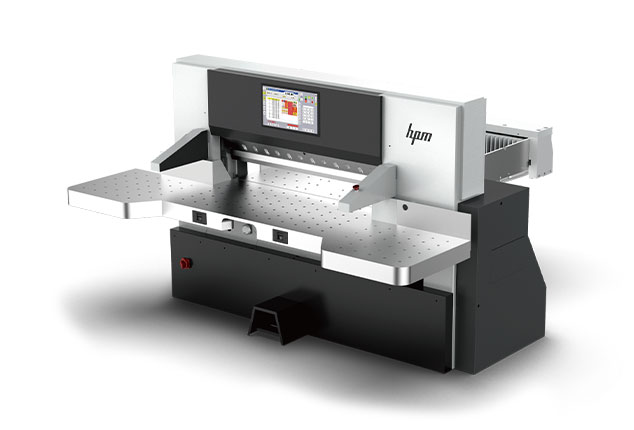
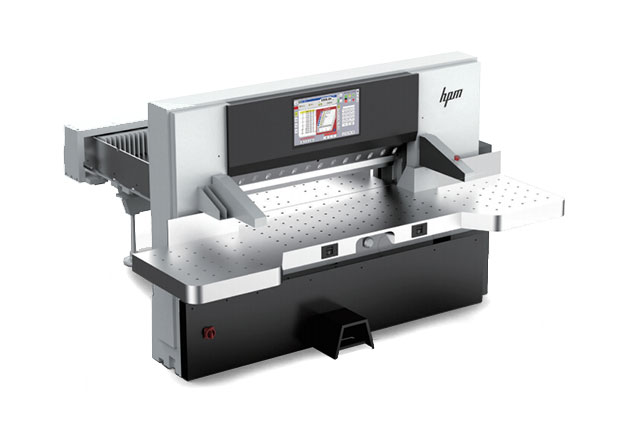
For small to medium volumes (up to 10,000 cuts per day), a programmable guillotine with a 76–92 cm cutting width, such as the HPM S16, offers a good balance of precision and affordability. Ensure the machine has at least 40 programs memory and a sharp blade change system.
How much does an industrial paper cutting machine cost?
Prices vary widely based on size, automation level, and brand. Semi-automatic models start around USD 8,000–15,000, while fully automatic lines with pile turners and loaders can exceed USD 100,000. Always request a formal quote with detailed specifications.
What certifications should a paper cutting machine have?
Look for CE marking for European market access, ISO 9001 for quality management, and possibly UL or CSA for North America. Safety certifications like EN 1010 for print machinery are critical for operator protection.
How long does it take to install a paper cutting machine?
Typical installation takes 2–5 days, including leveling, electrical connection, and calibration. Training adds another 1–2 days. Confirm with the supplier who covers travel and accommodation for the installation engineer.
What is the best paper cutting machine solution for high-volume production?
High-volume operations benefit from a complete cutting line: an automatic machine integrated with a paper loader, pile turner, and unloader. The HPM S16 paper cutting machine can be configured as part of such a line, but you should consult the supplier for a system design tailored to your workflow.
Conclusion
Determining what is the best paper cutting machine for your print shop requires a structured evaluation of technical specs, supplier reliability, and total cost of ownership. Use the criteria and RFQ steps outlined above to reduce procurement risk. Start by reviewing the HPM S16 paper cutting machine as a baseline for medium-duty applications, and always request a site assessment or a material test before committing to a purchase. A thorough procurement process will ensure your investment supports production efficiency for years to come.