
 English
 Français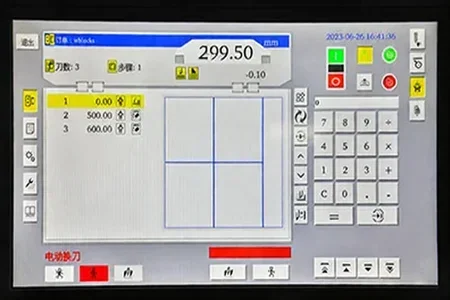
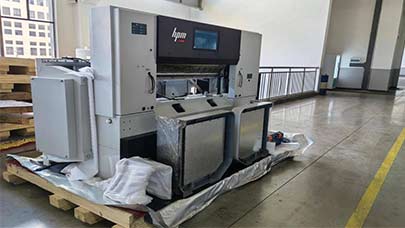
Article Overview: This procurement guide helps decision-makers and buyers evaluate how to choose an automatic paper cutting machine for commercial print or packaging operations. We cover core specifications, clamp and program features, production capacity alignment, supplier evaluation, and common mistakes. Use this resource to prepare your RFQ and reduce implementation risk.
How to Choose an Automatic Paper Cutting Machine: Understanding Core Specifications
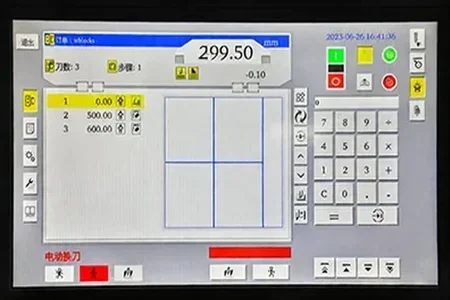
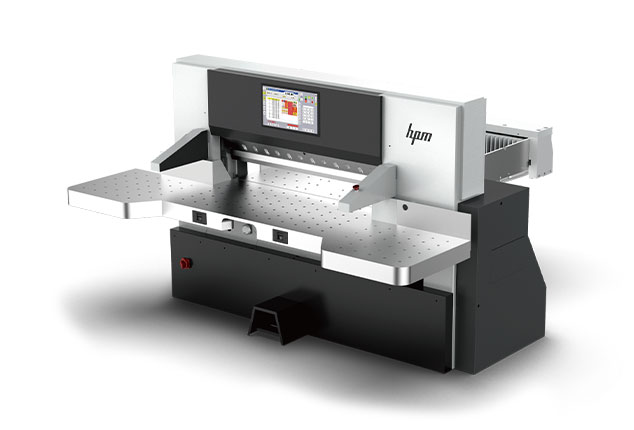
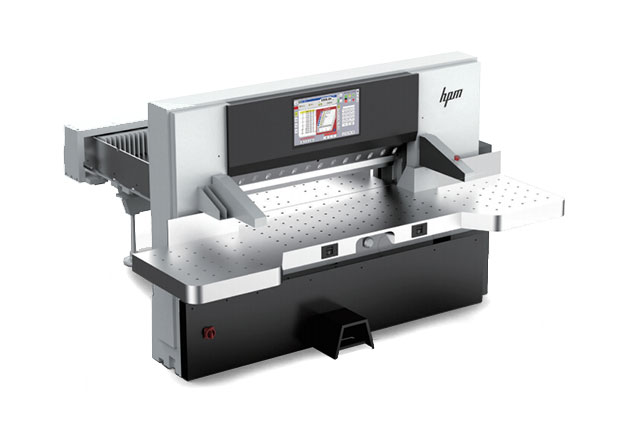
The first step in how to choose an automatic paper cutting machine is to define the sheet size and material range your operation handles. Machines are typically categorized by maximum cutting width and length. Common formats include A3/A4 sizes for commercial print and larger formats for packaging board. Cutting height (pile capacity) directly impacts throughput: a 130 mm pile handles smaller jobs, while 165 mm or 210 mm piles suit high-volume runs. Buyers must also consider the machine’s clamp system—hydraulic clamps provide consistent force for dense stacks, while pneumatic clamps offer faster cycle times on lighter materials. Additionally, evaluate program memory: machines with 100+ program slots reduce setup time on recurring jobs. For a deeper look, review the automatic paper cutting machine selection options from established manufacturers.
Step 1: Define Your Format and Material Profile
List the maximum sheet size and substrates you cut daily (e.g., A4, A3, B2, or board). This determines the machine frame and clamp capacity. Confirm that the cutter’s front table and side gauge can accommodate your largest sheet without manual trimming. For example, a print shop handling mostly A3 sheets may choose a machine with a 560×800 mm cutting area, while a packaging plant cutting large cartonboard may require 1100×1100 mm or more.
Step 2: Match Cutting Height to Order Volume
Estimate your average pile height per job. For runs above 10,000 sheets per shift, a cutting height of 165 mm or more is recommended. Validate that the machine’s clamp opening and back-gauge travel suit your typical stack geometry. For example, if you frequently cut 200 mm-thick stacks of coated paper, a hydraulic clamp machine with adjustable pressure will be essential to avoid slipping.
What Clamp and Program Features Matter Most?
When selecting a machine, clamp type and programmability directly affect waste rates and cycle consistency. Hydraulic clamps apply adjustable pressure, critical for coated stocks where slip can cause misalignments. Pneumatic clamps offer faster setup but may not handle mixed materials reliably. Program storage capacity is another differentiator: machines with touch-screen interfaces and network connectivity allow operators to save, recall, and edit cut sequences. For factories moving toward Industry 4.0, ensure the cutter can communicate with your MIS or ERP. This automatic paper cutting machine selection approach should include a review of the control system’s data export capabilities.
- Hydraulic clamp: Best for high-density stacks, consistent pressure, adjustable force.
- Pneumatic clamp: Faster cycle, but may be less precise on coated or mixed stocks.
- Program memory: Minimum 100 programs for recurring jobs; look for USB or network import/export.
How to Align Machine Capacity with Your Production Volume?
Capacity matching goes beyond sheet size. Evaluate the machine’s cuts per minute (including alignment and back-gauge movement) and the upstream/downstream material handling. An automatic paper cutting machine selection that ignores loader/unloader interaction can create bottlenecks. For example, a cutter with 40 cuts/min may require a loader that matches its speed to avoid idle time. Consider whether you need a standalone unit or an integrated line with pile turner, jogger, and palletizer. Use the following checklist when preparing your RFQ:
- Calculate peak throughput in sheets per shift (include setup time).
- Define acceptable downtime for manual interventions (e.g., removing trim waste).
- Specify stack dimensions after cutting—does the machine output match your finishing equipment?
- Request cycle-time data for your heaviest job type from the supplier.
Supplier Evaluation and RFQ Process
A structured RFQ helps you compare suppliers objectively. When requesting quotes, provide a detailed job profile: max sheet size, pile height, substrates, required programs, and planned integration with existing equipment. Ask for certification documents (CE, ISO 9001) and references from similar production lines. During evaluation, consider the supplier’s service network—response time for spare parts and on-site support. The following compare block illustrates two common configuration paths:
Standalone vs. Integrated Line
Option A: Standalone Cutter – Lower initial investment, manual material handling, flexible for small batch sizes.
Option B: Integrated Line with Loader/Unloader – Higher throughput, reduced labor, but requires larger floor space and synchronized workflow.
Buyer note: For operations exceeding 30,000 sheets per shift, integrated lines typically offer better total cost of ownership over three years despite higher upfront capital.
Common Procurement Mistakes to Avoid
Many buyers underestimate the impact of safety interlocks and network readiness. Ensure the machine meets your local safety standards (e.g., CE compliant) and includes dual-hand controls, light curtains, and knife brakes. Another mistake is choosing a cutter without considering future workflow expansion—opt for a model that supports loader/unloader if you anticipate growth. Also, avoid basing the decision solely on speed; program storage, repeatability, and ease of maintenance often contribute more to overall efficiency. For a complete set of production capacity details, review the production capacity of potential suppliers.
How to Choose an Automatic Paper Cutting Machine: Matching System to Workflow
Finally, your decision should consider the entire material flow from paper feeding to finished stack. An automatic paper cutting machine selection that optimizes only the guillotine stage may leave other processes starved or overloaded. Map the workflow: load → jog → cut → unload → pile turn. Identify where manual steps currently slow production and whether automation at those points can pay back within 18 months. Work with suppliers who can integrate the cutter with existing conveyors or stackers. This holistic view minimizes integration risk and ensures the chosen machine delivers the expected ROI.
Step 3: Map Current Workflow and Identify Bottlenecks
Document each step from paper arrival to finished stack. Measure cycle times and manual intervention points. For example, if jogging takes 30 seconds per load and cutting only 10 seconds, the bottleneck is upstream. Automating the jogger or integrating a loader can balance the line.
FAQ
What is the typical lifespan of an automatic paper cutting machine?
With proper maintenance, industrial-grade automatic paper cutting machines can operate 15–20 years. Key factors include regular knife replacement, lubrication, and calibration of sensors.
How do I decide between hydraulic and pneumatic clamp?
Hydraulic clamps are preferred for high-density or coated stocks where clamping force must be precise and adjustable. Pneumatic clamps are faster and suitable for lighter materials or when cycle time is the priority.
What safety certifications should I look for?
CE certification is standard for European markets, while North American buyers should require compliance with ANSI B11.4 or OSHA standards. Verify that the machine includes light curtains, dual-hand controls, and a brake monitoring system.
Can I integrate an automatic cutter with existing MIS?
Many modern cutters offer network ports for JDF or XML data exchange. Confirm with the supplier that the control system supports your MIS version and can import job tickets from your prepress workflow.
Conclusion
Choosing the right automatic paper cutting machine requires a methodical evaluation of specifications, clamp and program features, production capacity, and supplier capabilities. By following the steps outlined in this guide—defining your format, matching capacity, preparing a detailed RFQ, and avoiding common pitfalls—you can reduce procurement risk and build a sustainable cutting workflow. Use supplier resources to compare models and begin your evaluation process today.