
 English
 Français
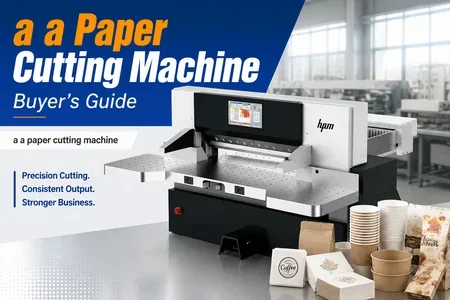
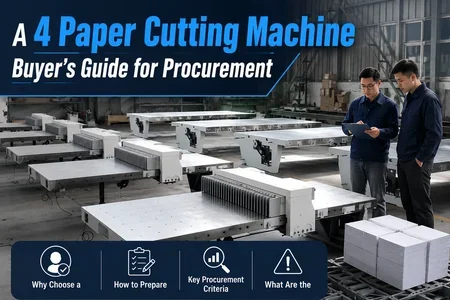
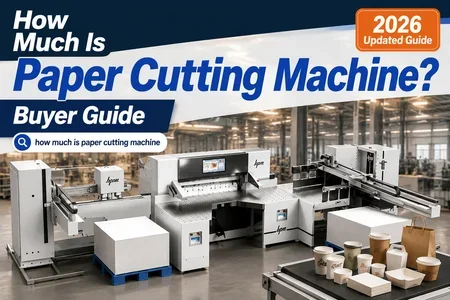
Article Overview: This guide helps procurement managers and sourcing teams evaluate a paper cutting machine for industrial use. It covers key decision criteria, RFQ preparation, technical validation, and supplier assessment to reduce purchase risk. Use this as a practical checklist before issuing a request for quotation.
What Should You Look for in a Paper Cutting Machine?
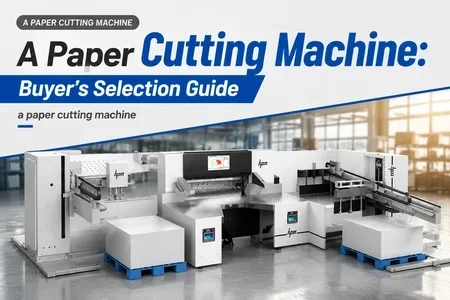
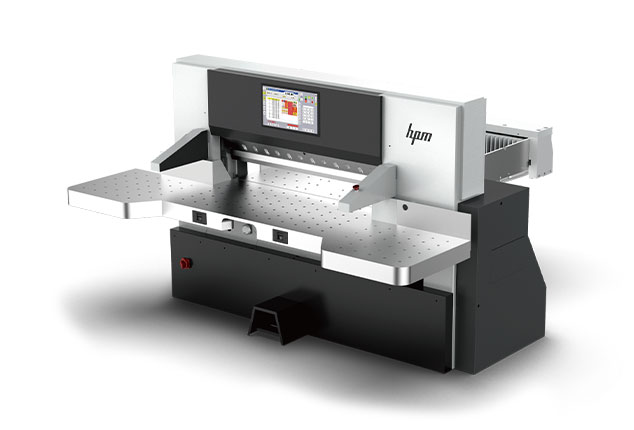
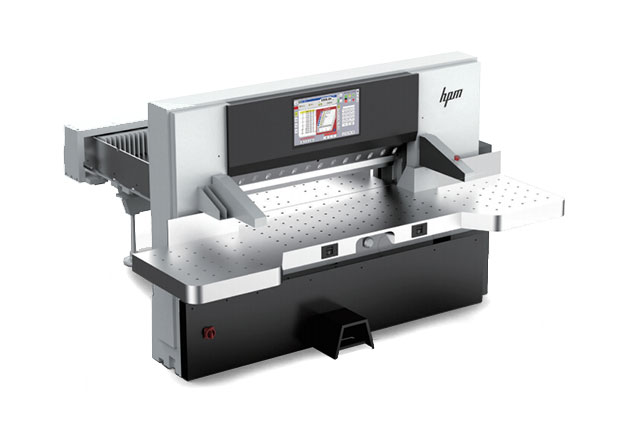
When sourcing a paper cutting machine, the first step is to align the machine's capabilities with your production volume, material types, and workflow integration requirements. A paper cutting machine typically includes a guillotine cutter, programmable back gauge, and safety systems. For B2B buyers, the following aspects are critical:
- Cutting width and height: Ensure the machine can handle your maximum sheet size and pile height. Common sizes range from A4 to large format.
- Accuracy and repeatability: Look for servo-driven back gauges with positional accuracy within ±0.1 mm.
- Automation level: Decide between manual, semi-automatic, and CNC-controlled models based on labor costs and throughput targets.
Step 1: Define Your Production Requirements
Start by documenting your typical job mix: sheet sizes, number of cuts per day, and required precision. This baseline will help you filter suppliers who offer a paper cutting machine that fits your operational profile. Validate with a sample test if possible.
Step 2: Assess Safety and Compliance
Industrial paper cutters must comply with regional safety standards (e.g., CE, UL). Check for two-hand operation, light curtains, and mechanical brakes. Request documentation of certifications from the supplier.
How to Prepare an RFQ for a Paper Cutting Machine
A well-structured RFQ helps you receive comparable quotations. Include these elements:
- Machine specifications: Attach your dimensional and accuracy requirements.
- Volume estimates: Provide expected monthly or yearly cuts and shift patterns.
- Integration details: Describe upstream and downstream equipment (e.g., feeders, unloaders).
- Service expectations: Specify warranty length, response times, and spare parts availability.
For example, when evaluating a paper cutting machine for A3/A4 printing work, ensure the RFQ asks about programmable memory and blade change frequency. Request a quote that includes installation and training.
Key Technical Specifications to Validate
Before purchase, verify these specifications on the supplier's data sheet or during a site visit. A reputable supplier of a paper cutting machine will provide transparent documentation.
- Cutting accuracy: ±0.1 mm or better for high-quality finishing.
- Back gauge speed: Faster speeds reduce cycle time in automated lines.
- Clamp pressure control: Electronic pressure adjustment prevents marking on coated papers.
- Blade material and life: High-speed steel or carbide-tipped blades offer longer intervals between sharpening.
For a complete understanding of production capacity, review the manufacturer's production capacity to assess their ability to deliver consistent quality at scale.
Supplier Evaluation Criteria for a Paper Cutting Machine
Selecting the right supplier is as important as choosing the model. Use this checklist when evaluating manufacturers:
Phase: Financial Stability and References
Request company financial statements or credit reports for large investments. Ask for at least three client references with similar production profiles. Contact them to learn about machine uptime and after-sales support.
Phase: After-Sales Service Commitment
Check the supplier's local service network. For an imported paper cutting machine, ensure that qualified technicians can be on-site within 48 hours. Verify spare parts inventory and lead times for common wear items like blades and air pumps.
Additionally, examine the supplier's approach to continuous improvement. Some manufacturers offer remote diagnostics and software updates that extend the machine's useful life.
FAQ
What is the typical lifespan of a paper cutting machine?
With proper maintenance, an industrial paper cutting machine can operate for 10 to 15 years or more. Blade sharpening frequency depends on volume and material; plan for resharpening every 2 to 4 weeks in heavy use.
How much does a paper cutting machine cost?
Prices vary widely based on automation level and size. Entry-level semi-automatic machines start around USD 10,000, while fully automated CNC models with handling systems can exceed USD 100,000. Always request a detailed quotation that includes installation, warranty, and training.
Should I buy new or used equipment?
New equipment offers full warranty, latest safety features, and predictable performance. Used machines may be cost-effective but carry higher risk of downtime and hidden repair costs. If buying used, insist on a demonstration and an independent inspection report.
Conclusion
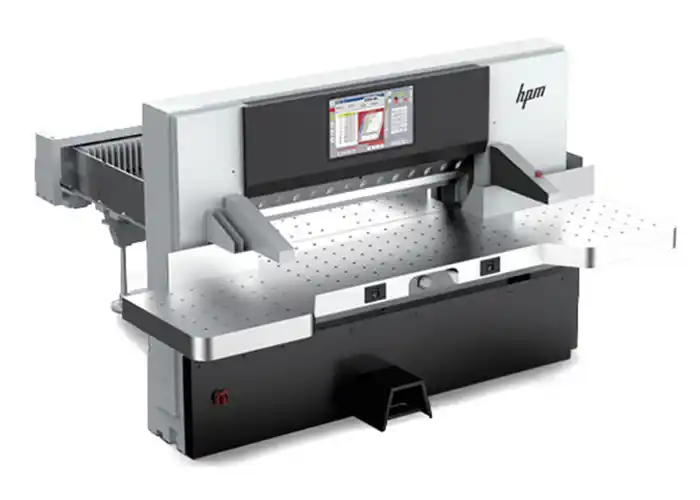
Purchasing a paper cutting machine is a significant capital decision that affects production efficiency and product quality. By defining your requirements, preparing a clear RFQ, validating technical specs, and evaluating suppliers against structured criteria, you can minimize procurement mistakes. Use the steps and checklists in this guide to approach supplier conversations with confidence. For a closer look at a specific model, review the S16 paper cutting machine as a reference for entry-level professional cutters.